Introduction
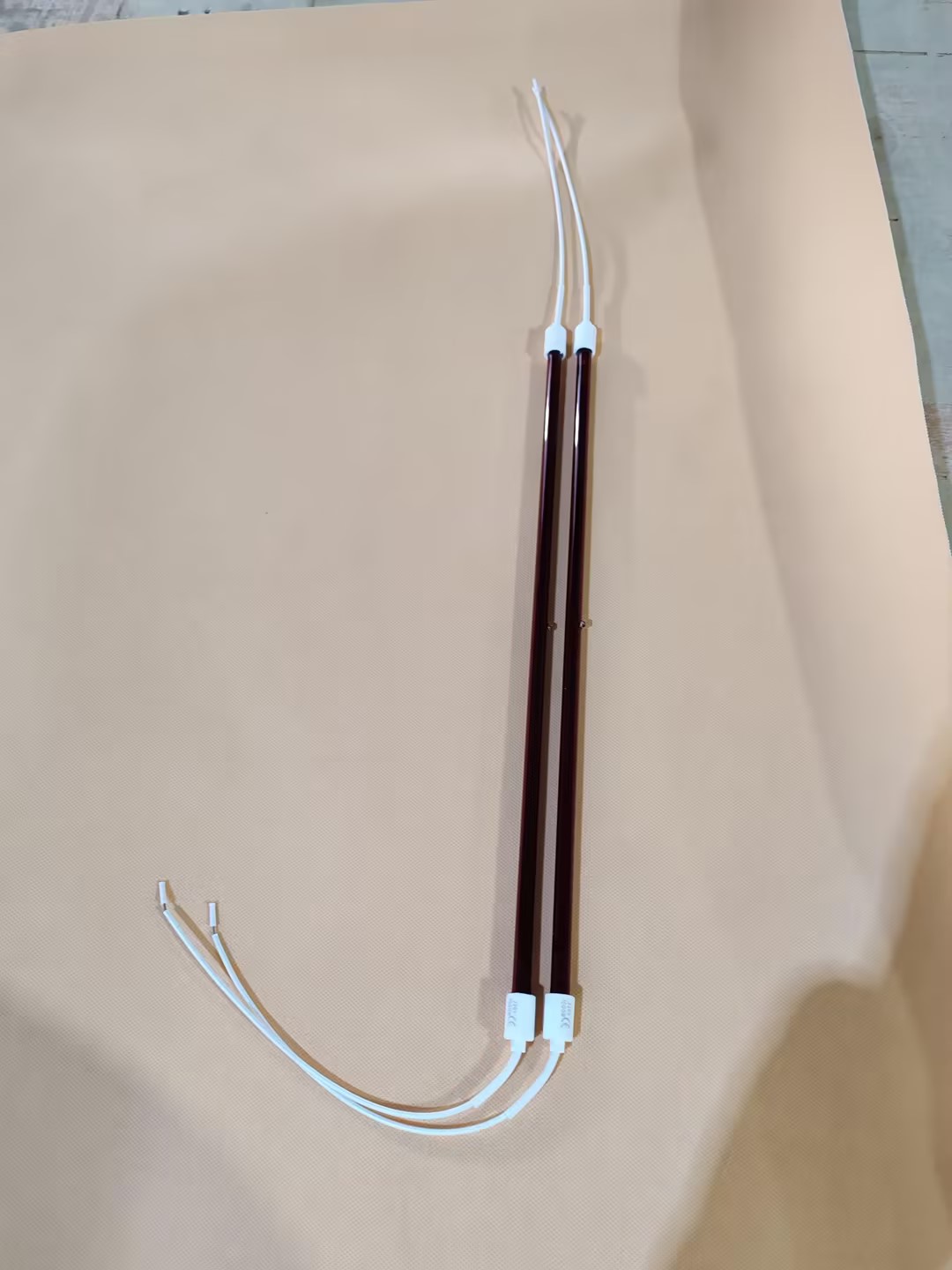
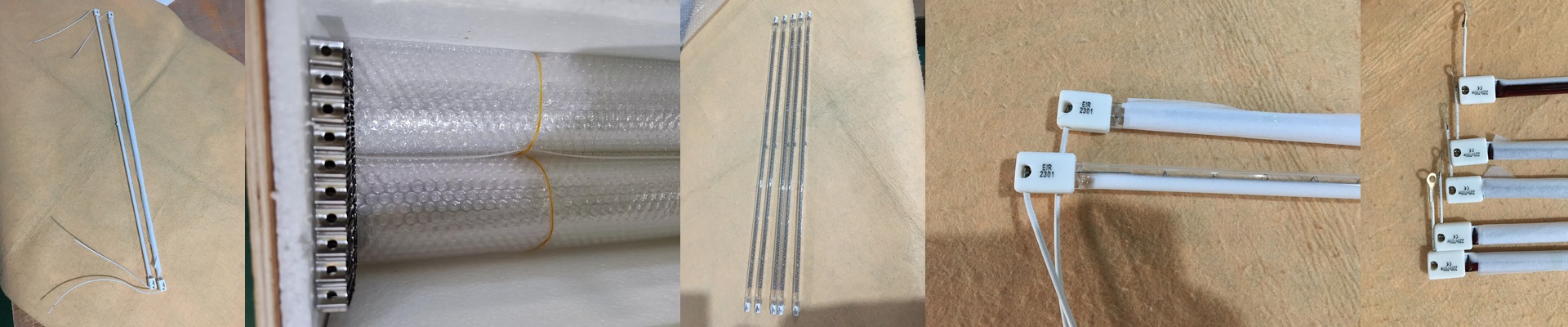
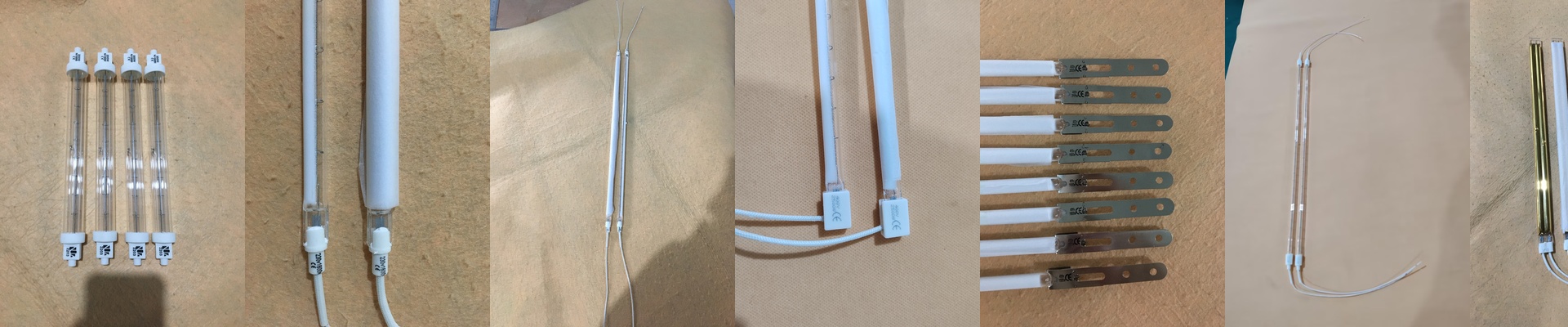
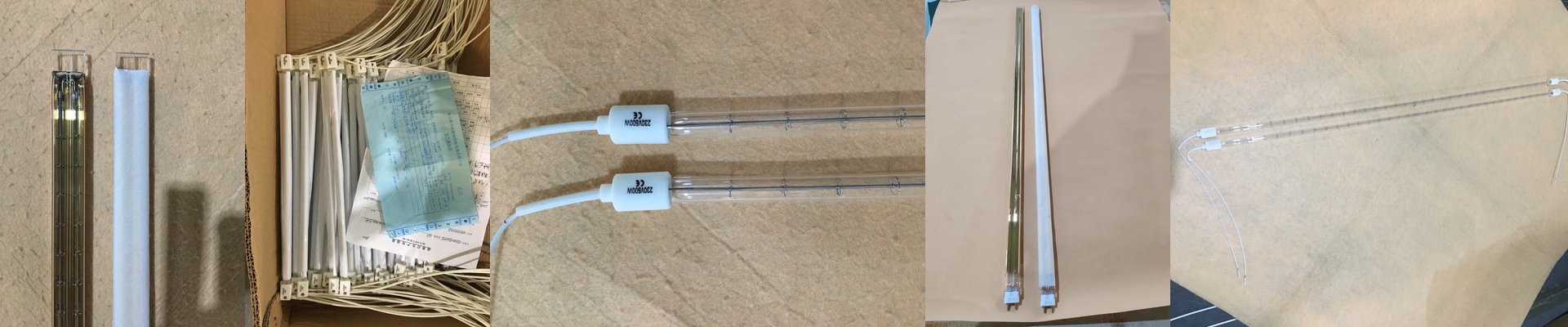
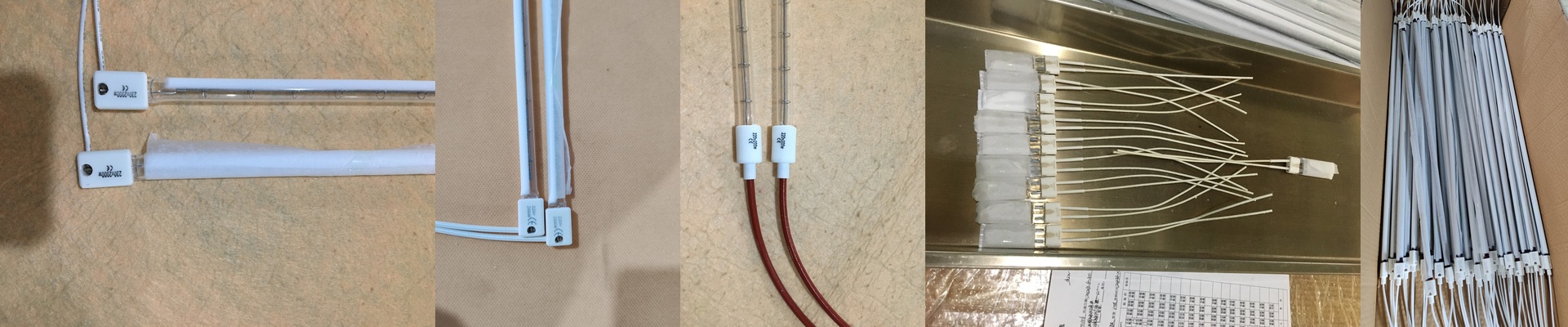
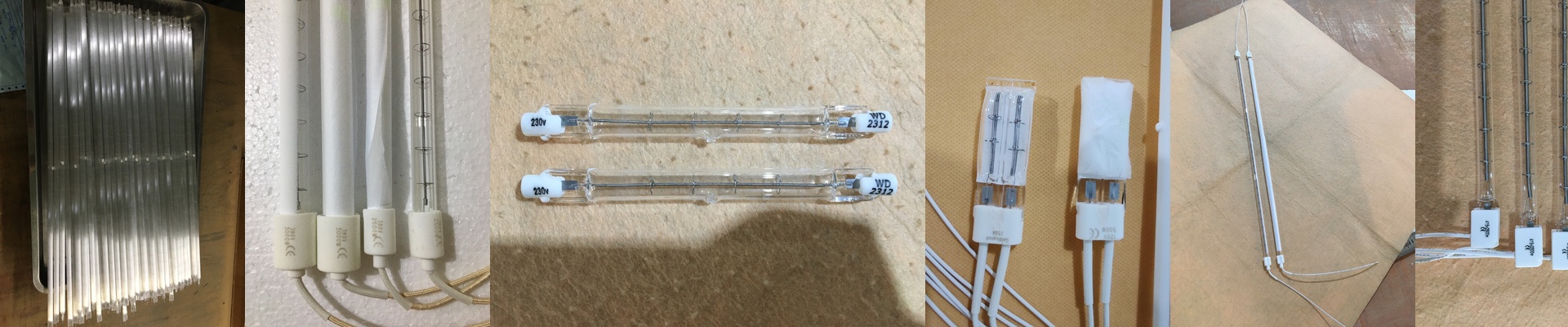
We built the 740mm 2000W Clear Halogen Heat Lamp for one reason: to give industrial work the kind of heat that shows up immediately—intense, focused, and right on target. If your process needs fast response and a lot of heat packed into a small space, this lamp was made for you. It’s all about getting the job done without waiting around.
Power, Size, and Electrical Know-How
That 2000W rating on a 740mm clear tube didn’t just happen. We matched wattage, length, and heat load so the filament can deliver serious output without being pushed past its limits. The longer tube spreads the work out, which helps cut down hot spots and gives you more life out of the filament than a shorter, more crowded design. Electrically, it plays nice with standard industrial controls. You get steady resistance and predictable current draw, so your supply and control gear are easy to spec. That means the lamp heats up the same way, cycle after cycle—no surprises, just repeatable performance you can count on.
What’s Inside, and Why It Stays Strong
The clear quartz envelope is built for high heat and stays optically clear, so the radiant energy gets through cleanly. Inside, the halogen cycle does a neat trick: it puts evaporated tungsten back onto the filament. That keeps output stable and slows down the blackening you see with standard incandescent heaters. So you get consistent performance over time, not a slow fade. And the R7s base? It’s a double-ended connector that holds tight and keeps a solid electrical connection even when things are shaking. It slides straight into existing fixtures, so you can get it installed quickly—no reworking the line.
Where It Shines, and What to Keep in Mind
This setup is for the moments when you need heat fast—plastic processing, coating curing, component drying. With this clear halogen design, the radiant heat hits immediately. No waiting for the system to “warm up,” because it’s already warm. Here’s the reality check: packing 2000W into a 740mm package creates serious heat density. Make sure your surrounding equipment, mounting, and nearby parts can handle the ambient temperature, and plan airflow or shielding to keep sensitive bits safe. When the setup is right, you get heat you can rely on—steady, controllable, and ready to keep your process moving.