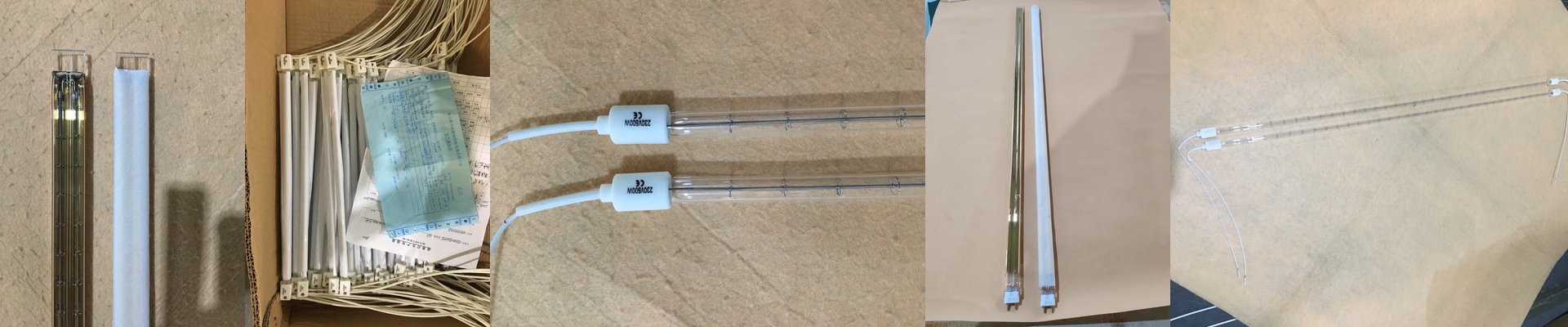
Electric RS Halogen Infrared Quartz Tube Heaters: Specs, Design, and Application Logic
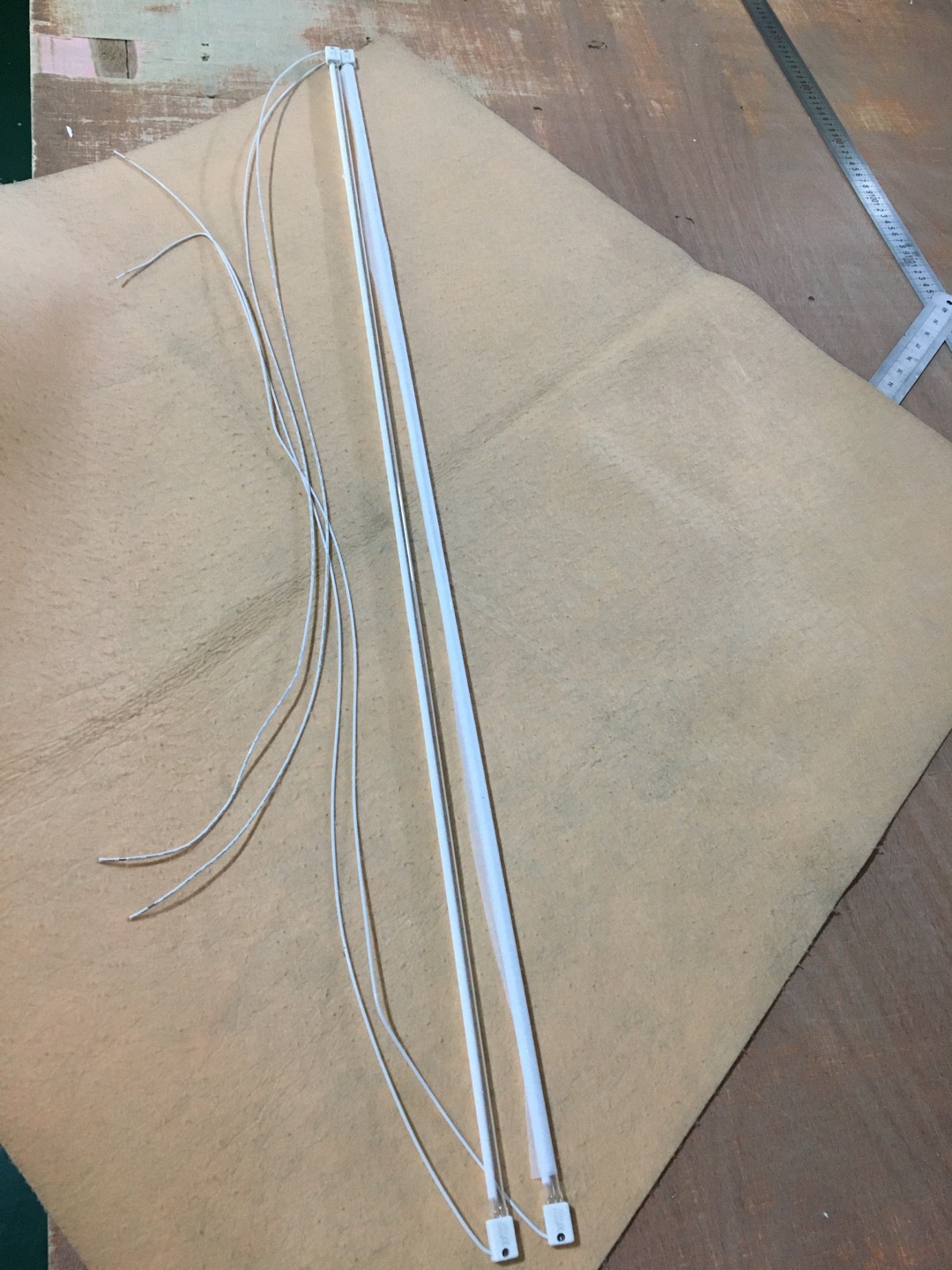
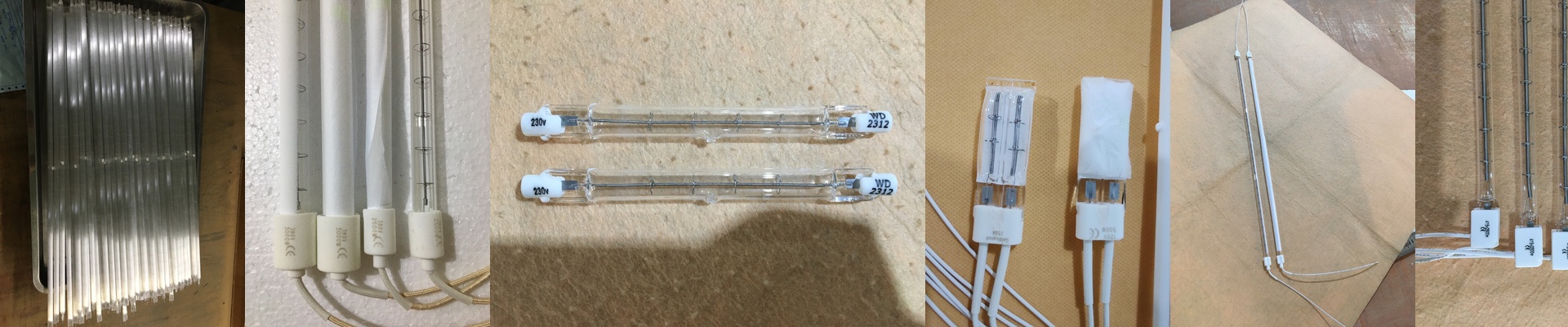
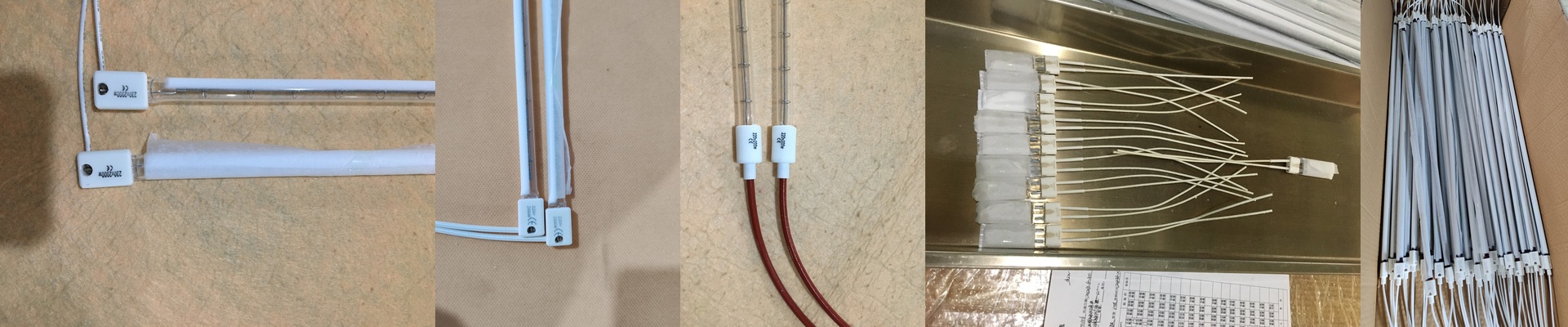
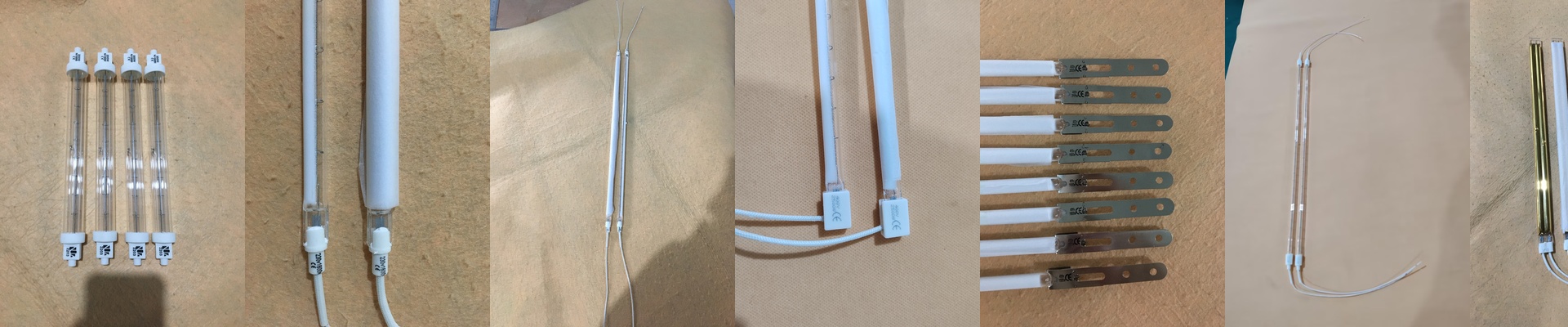
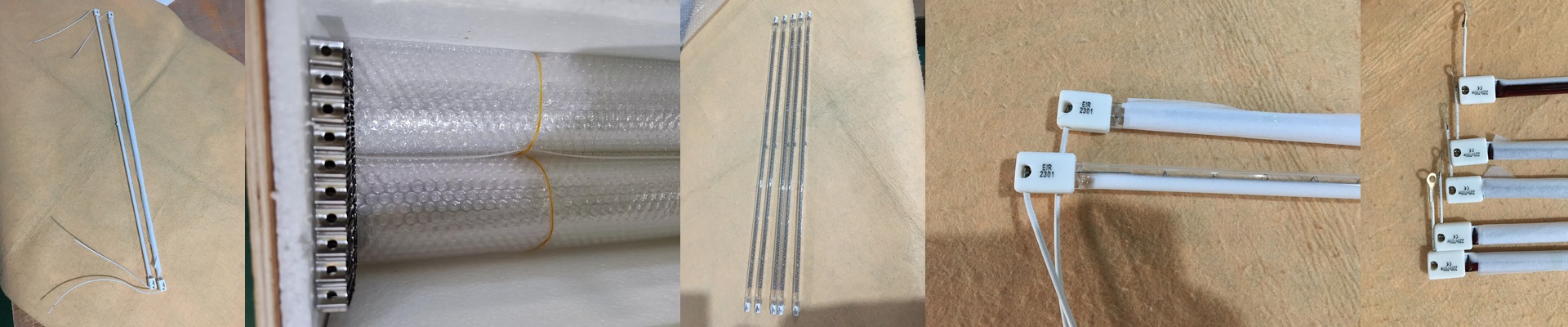
When you need rapid, focused heat in a compact industrial footprint, the electric RS halogen infrared quartz tube heater is the straightforward answer. This is a line-of-sight heating solution built around a quartz envelope and a halogen fill, engineered to deliver high power density in a form factor that installs quickly. We design these heaters for engineers who need repeatable heating performance, predictable output, and a mounting envelope that fits standard fixtures.
Technical Deep-Dive: Power, Voltage, and Dimensions
We spec these heaters to deliver immediate heat with minimal warm-up time. The wattage density is intentionally high because the application usually demands fast temperature rise on a target surface, not heating the surrounding air. Typical configurations run at 2500W to 3000W, driven by either 230V or 400V supplies. Voltage choice is not arbitrary. A 400V supply reduces current for the same power, which keeps conductor size smaller, lowers voltage drop over distance, and reduces I²R losses in the wiring path. For you, that means less copper, simpler routing, and less heat buildup in the control cabinet. Physical dimensions matter just as much. A common tube length is 300mm, with a tight outer diameter that keeps the heater footprint small. This size lets you concentrate heat into a narrow zone—ideal when you have limited space or need to match a specific machine window. The heater reaches operating temperature quickly, so you can shorten cycle times without oversizing the entire thermal system.
Material & Design: Halogen, Quartz, Coating, and the R7s Connector
The core of the heater is the quartz tube. Quartz withstands rapid temperature swings and remains dimensionally stable at high operating temperatures. Inside, the halogen cycle keeps the filament clean by redepositing evaporated material back onto the hot element. This stabilizes output over the life of the lamp and helps maintain consistent heating performance. The infrared output is not a side effect—it is the primary delivery method. Shortwave infrared penetrates surfaces quickly and heats from within, which reduces reliance on conduction and convection. We apply a reflective coating on the back of the tube to direct energy forward, increasing the usable heat flux toward the target and cutting wasted radiation. The RS (R7s) connector is chosen for a practical reason: it is a standard, compact, two-pin ceramic base that handles high temperature and provides a secure, aligned mechanical mount. It simplifies installation because it is a drop-in fit into existing sockets on printing dryers, coating lines, and packaging machines. You wire it up, clamp it in place, and the alignment is repeatable.
Application & Benefits: Why This Configuration Works
This heater configuration is built for industrial drying and curing where speed, control, and reliability matter. In printing and coating lines, you need heat delivered on demand, with fast response to line speed changes. In packaging and plastic processing, you need heat on the part, not on the surrounding frame. The combination of shortwave infrared, a compact quartz tube, and a halogen fill gives you predictable output, fast response, and stable operation under cyclic duty. The R7s base keeps the installation simple, and the high-voltage options reduce current load on the machine wiring. Trade-off: high power density delivers rapid heating, but it also demands proper cooling and thermal management around the heater. Plan for airflow or heat shielding as needed. If you match the heater to the process geometry and control it with the right temperature feedback, you get repeatable drying performance with a minimal footprint. We build these units to run hard, cycle often, and hold output steady—because on the shop floor, uptime and consistent heating are the only metrics that matter.