Introduction
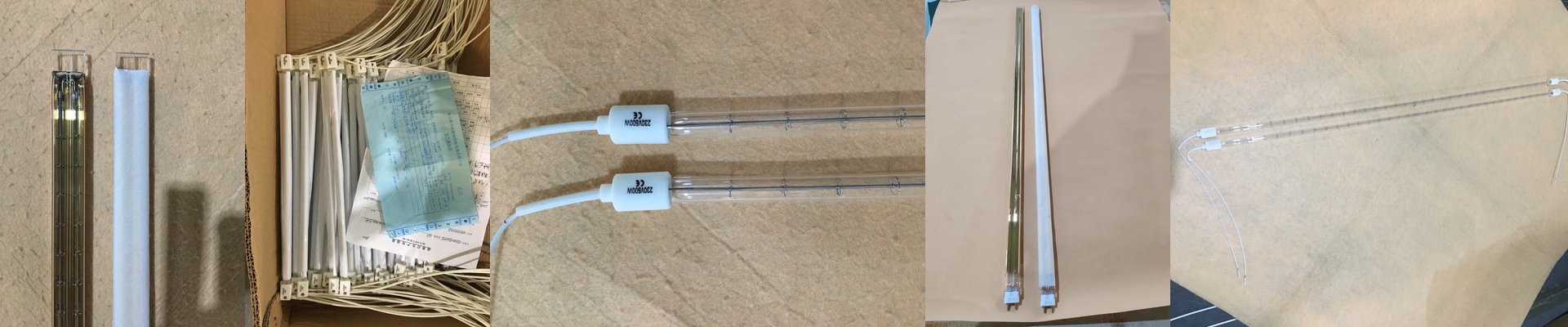
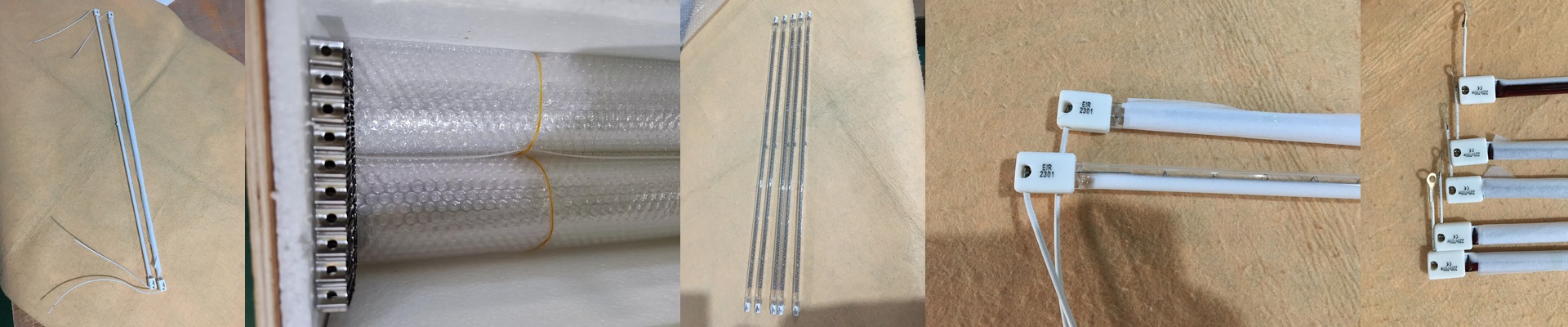
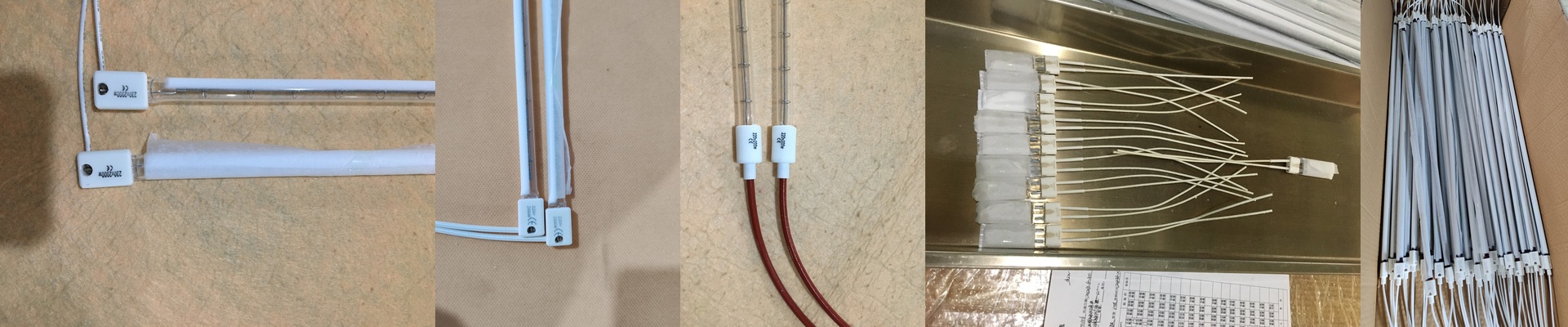
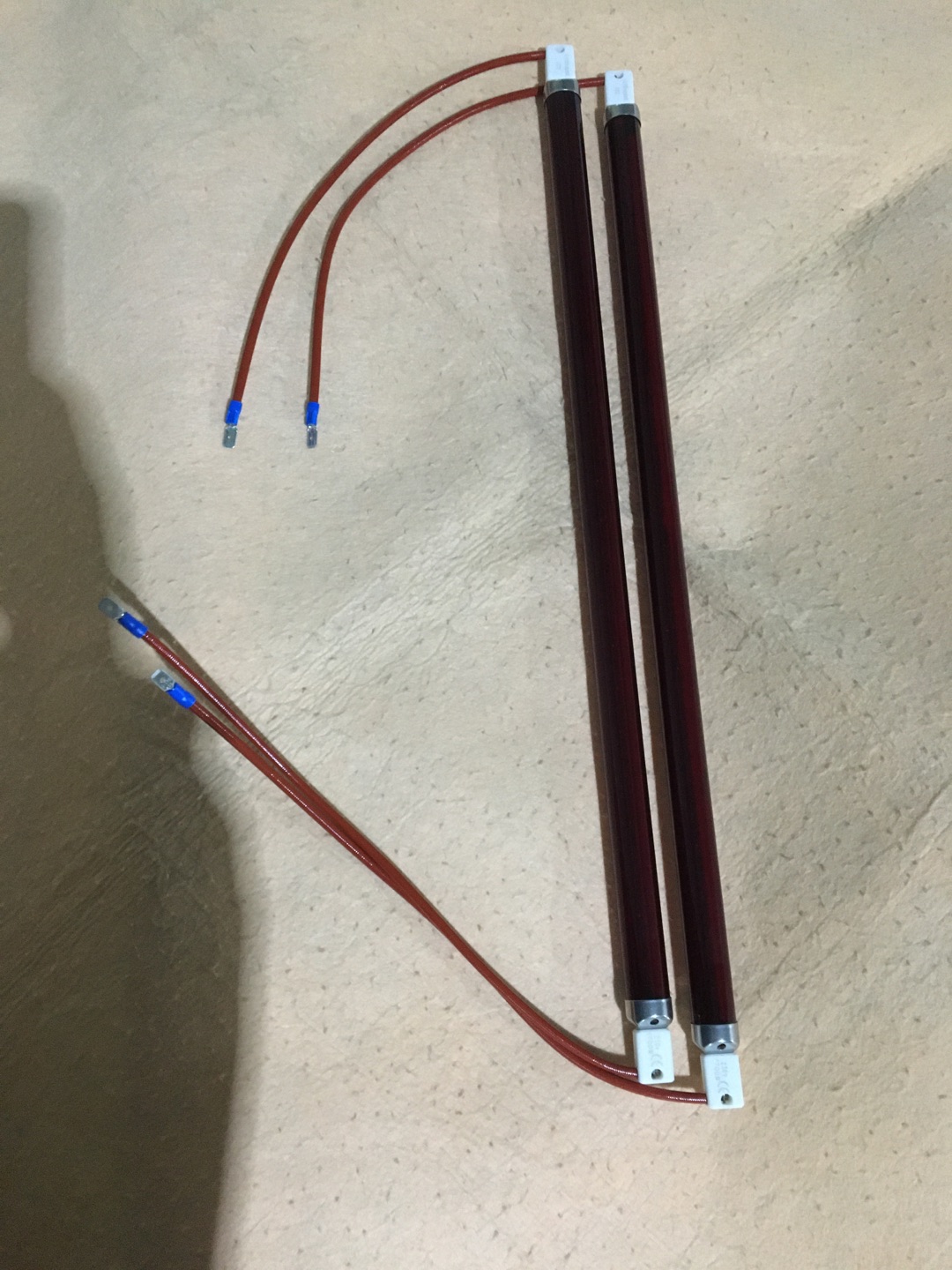
We built the halogen clear heating tube for one reason: when you’ve got a tight spot and you need heat, fast. It’s a compact, high-intensity infrared powerhouse. Think of it as a focused heat source that goes straight to the target—like in plastic processing, sealing packaging, or running component tests—without wasting time heating up the air around it.
The Nitty-Gritty
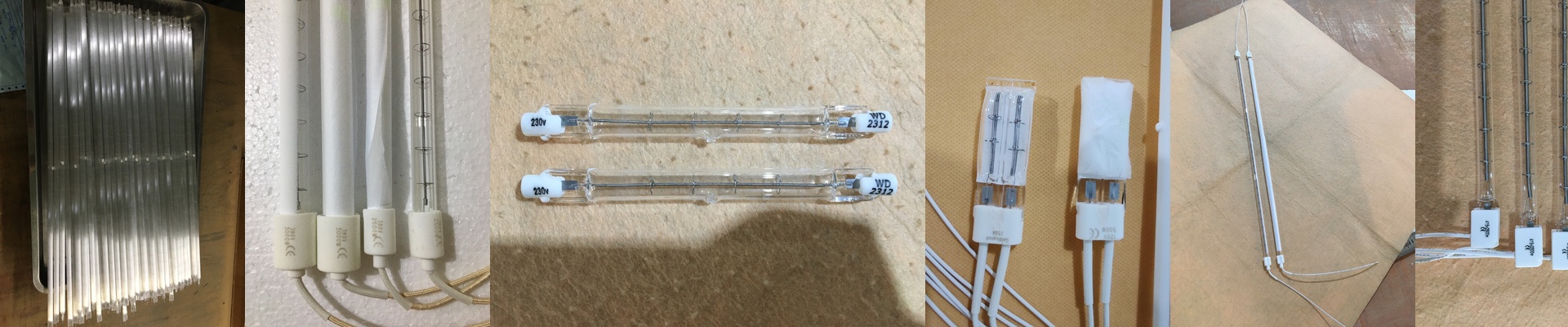
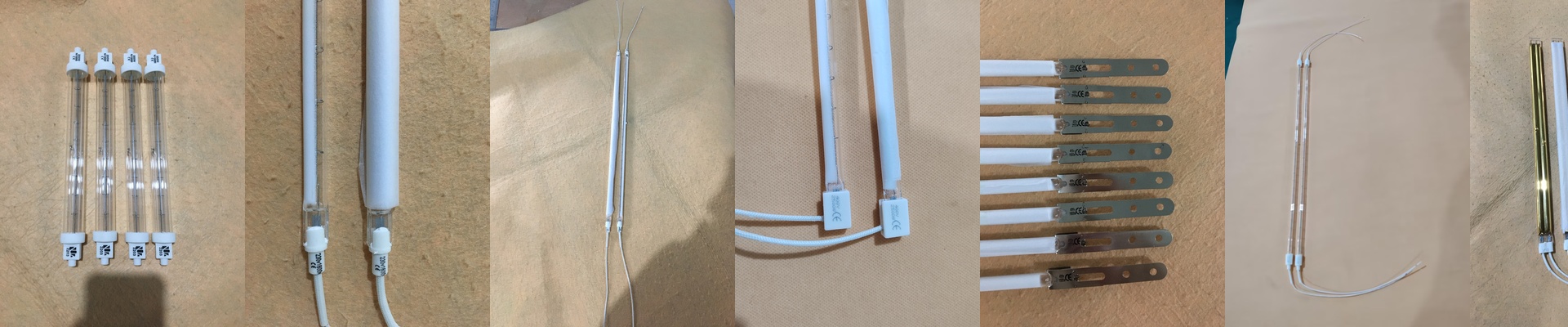
Here’s the thing: these tubes are designed to pack a serious punch into a small package. You’ll find options that go up to 400V and hit wattages around 2500W, all in a tube that’s roughly 300mm long. That’s a lot of heat density in a small footprint. And what does that feel like on the floor? It means the heat comes on quickly, and when you need to ramp up or shut down, it responds right away. No lag. No waiting around.
What’s Inside
The heart of it is a quartz envelope. It’s tough enough to handle sudden temperature shifts and lets that infrared energy pass through cleanly. Inside, the halogen cycle keeps the filament stable even when it’s running hot, so the output stays consistent over time. The clear finish is key—it lets that strong radiant heat through. Meanwhile, the internal gas chemistry is quietly protecting the filament from burning out. For installation, we use R7s and Sk15 connectors. They give you a secure, aligned fit, so the tube drops right in and gets to work without any fuss.
Where It Shines
Use these tubes wherever you need pinpoint heat, fast. PET blowing, thermoforming, laminating, even lab-scale curing—this is your go-to. Because the infrared output is concentrated, it hits the target directly. That means your process is more repeatable, and you’re not wasting energy. But, and this is important: that power density means you need proper machine cooling and a well-designed reflector. If you don’t, the housing around the tube can run too hot, and nearby parts will wear out sooner than they should. So plan your mounting and airflow around the hot zone. Keep the leads clear, double-check the voltage, and you’ll get predictable heat exactly where you need it.
The Reality of Power
High wattage in a short tube gets hot. That heat doesn’t just stay inside the tube. Fixtures, wiring, nearby components—they all feel it. So size your cooling and clearances with that in mind. If you don’t, you’re setting yourself up for early failures in the parts closest to the heat.
A Quick Install Tip
When you’re wiring it up, match the connector type and voltage to your socket. R7s and Sk15 are common, but take a second to confirm the pin spacing and terminal rating before you connect anything. It’s a small step that saves a lot of headaches later.