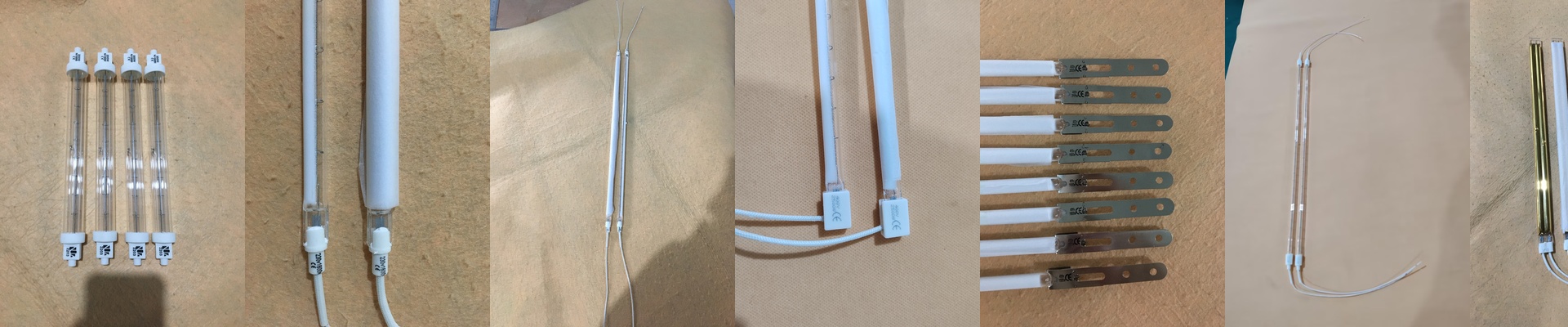
High-Quality R7S Halogen Lamps: The Heat You Need, Where You Need It
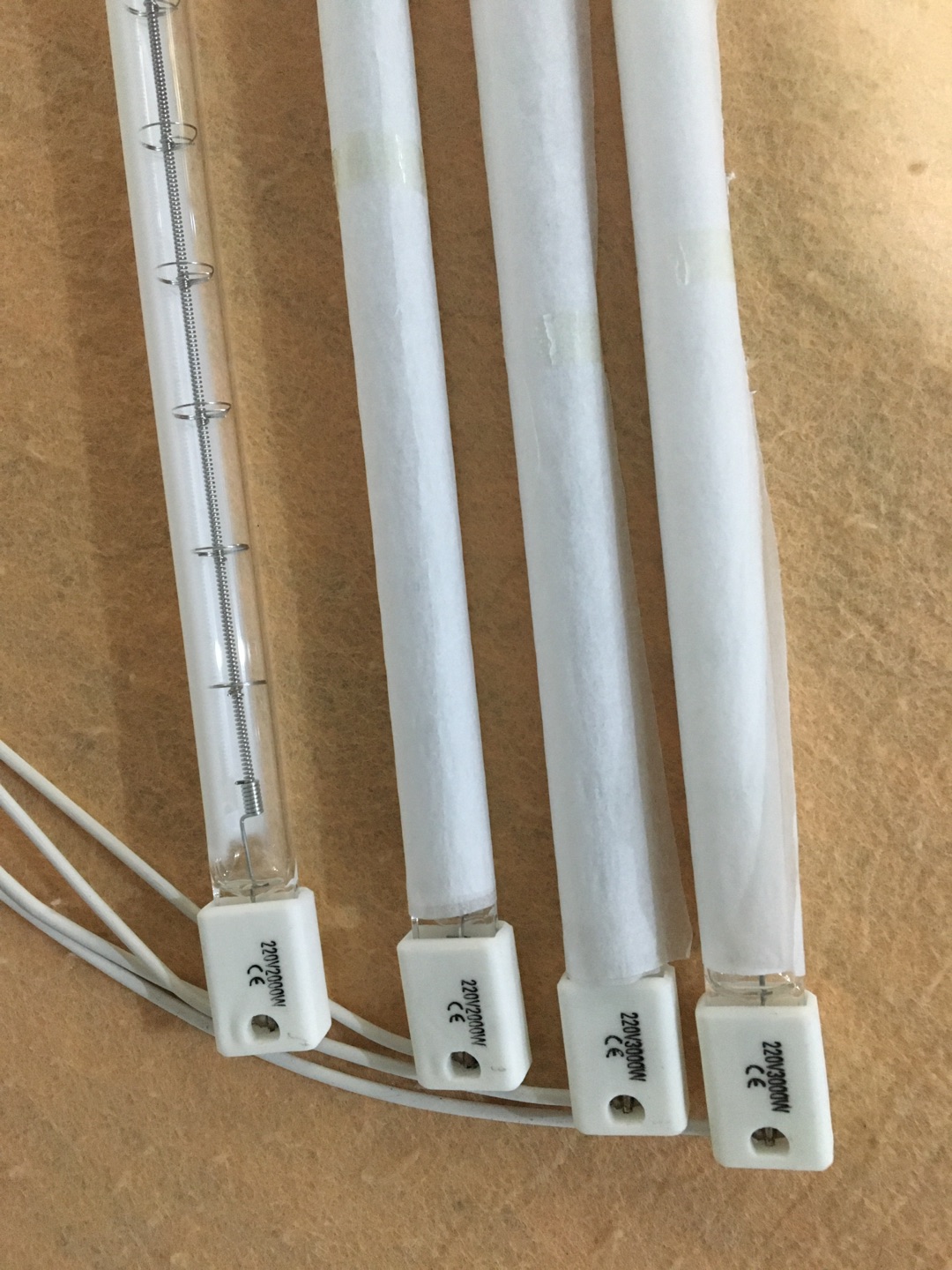
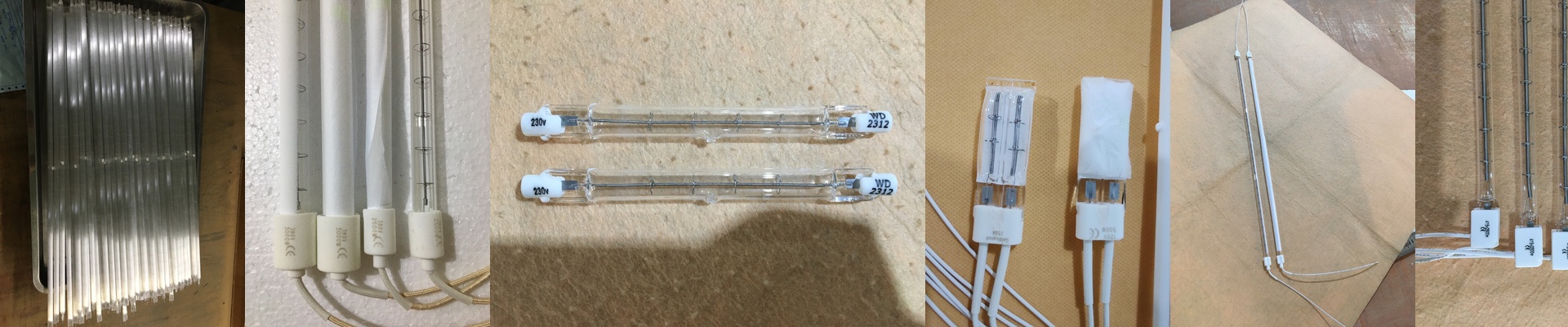
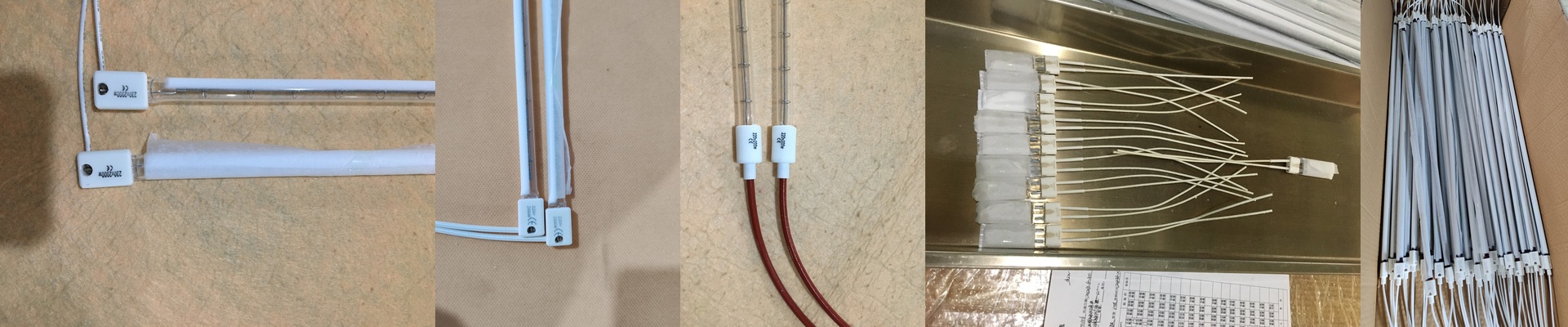
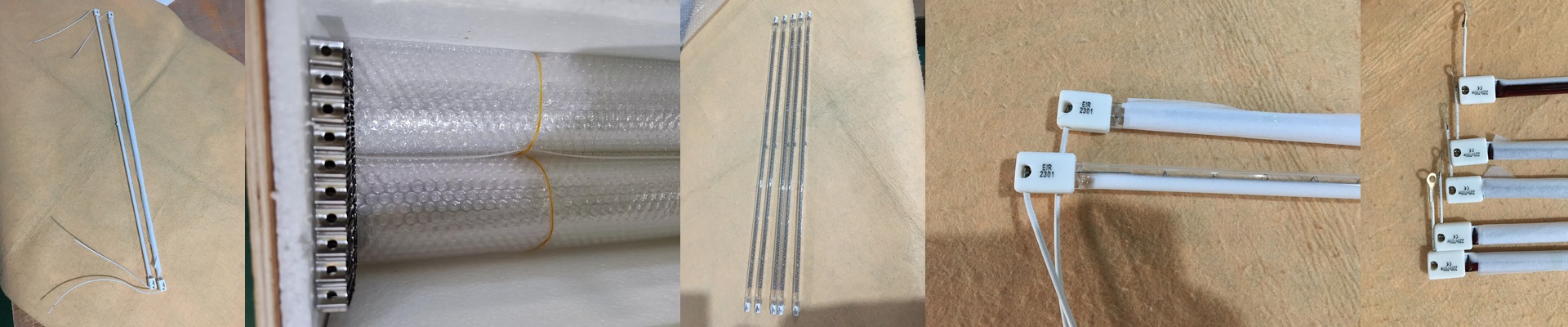
We built the R7S halogen lamp to be a straight-up, drop-in replacement for industrial machines that crave fast, focused infrared heat. You wire it in, flip the switch, and it just gets to work—delivering steady output in those cramped spots where a standard heater can’t even fit.
Power, Voltage, and Size—Straight to the Point
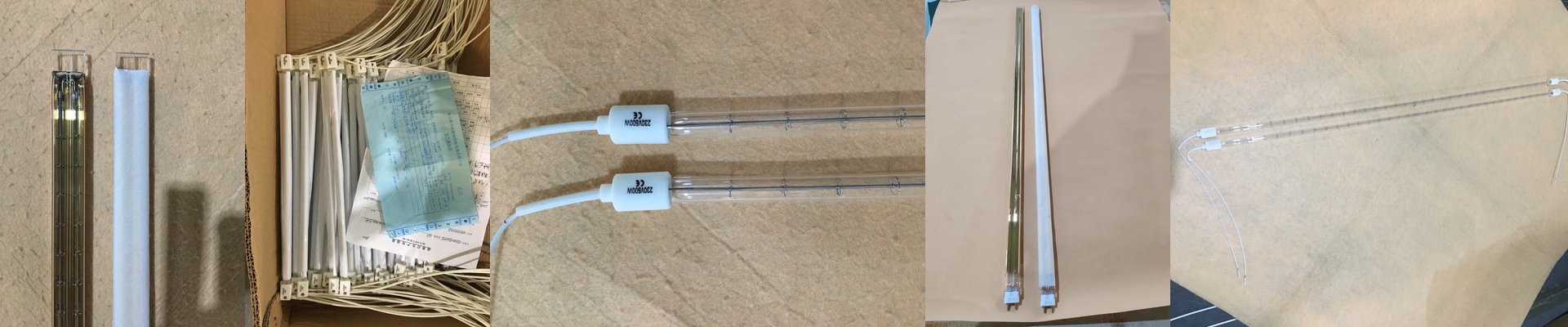
At the heart of this lamp is a high-wattage halogen capsule paired with an R7S base. You’re looking at 2500W to 3000W, with voltage options that include 230V and 400V. The 400V version is for plants running three-phase power. It keeps the current lower on the line and cuts down on voltage drop when you’ve got longer wiring runs. The tube is typically 300mm long, so it takes up minimal space while concentrating heat into one tight zone. That length, combined with the wattage, means serious heat density. It gets hot fast, and it responds fast. Just be ready with enough cooling and clearance—because the surrounding hardware is going to get warm.
Built to Take the Heat: Halogen Fill, Quartz Tube, and R7S Base
Inside, the filament runs hot inside a halogen atmosphere. That halogen cycle helps keep the quartz envelope cleaner by sending evaporated material back toward the filament. The payoff? More consistent output over time. The quartz tube handles the thermal shock of rapid on/off cycling and delivers shortwave infrared cleanly. And the R7S connector? It’s the practical choice. It gives you solid contact and repeatable alignment, so installation is quick on the shop floor. Replacement is simple too—no adapters, no messing around.
Where This Lamp Shines—And Why It Works
This setup is made for industrial heating jobs that need intense, localized heat in a small package. It’s commonly used in plastic processing—think pre-heating and drying—and in equipment that needs a quick thermal response. The upside is straightforward: you get a lot of heat from a small part, with fast start-up and steady performance. But let’s be real—high power density means you need proper mounting, ventilation, and thermal management around the target. Match the lamp to the machine, and the machine to the lamp. That’s how it stays reliable.