OEM Halogen Lamps: The Heat Solution for Tight Industrial Spaces
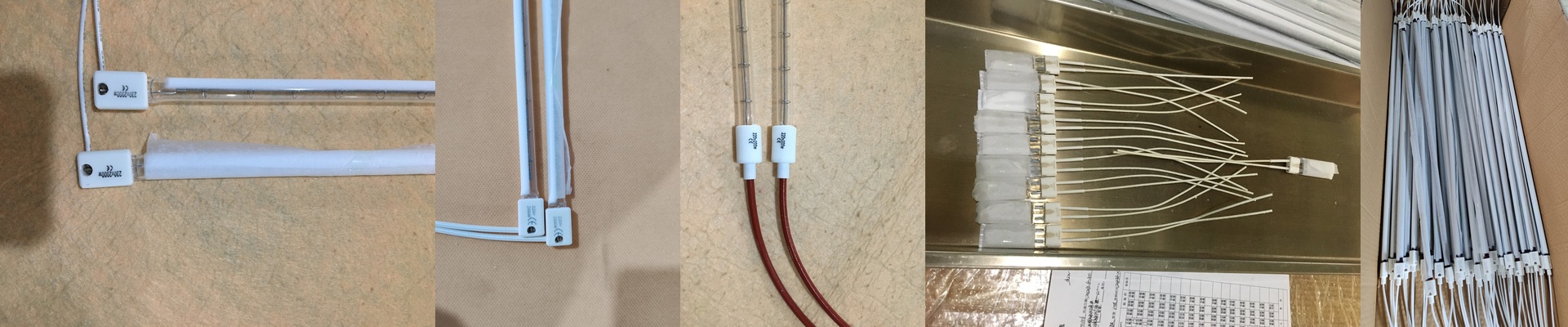
Picture this: you’ve got industrial machines that need serious heat, but there’s barely any room to work with. That’s where OEM halogen lamps come in. They’re designed to slip right in as heating elements, fitting into tight spots without taking up extra space. We build these lamps to handle the real demands of process heating—whether you’re softening plastic or drying parts. The goal is simple: deliver predictable heat, without making your equipment bigger.
Power, Voltage, and the Space You Have
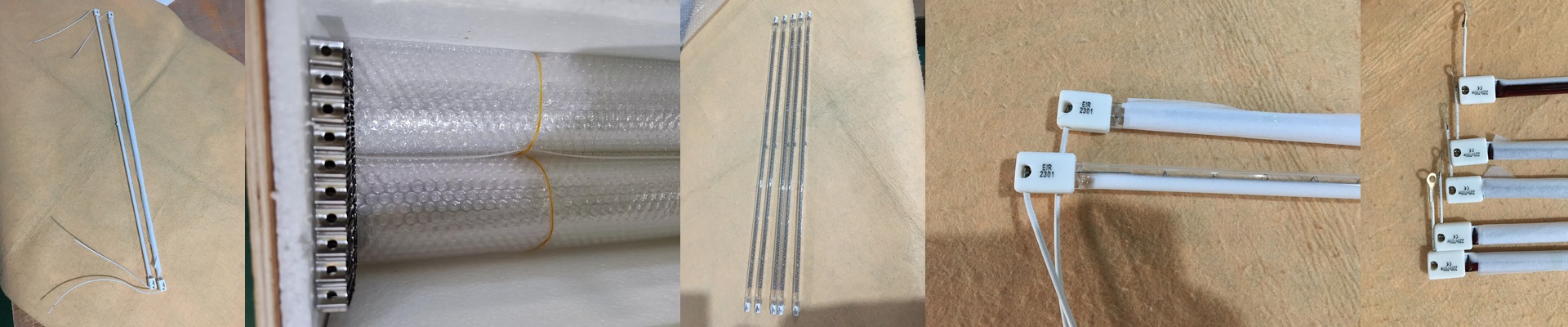
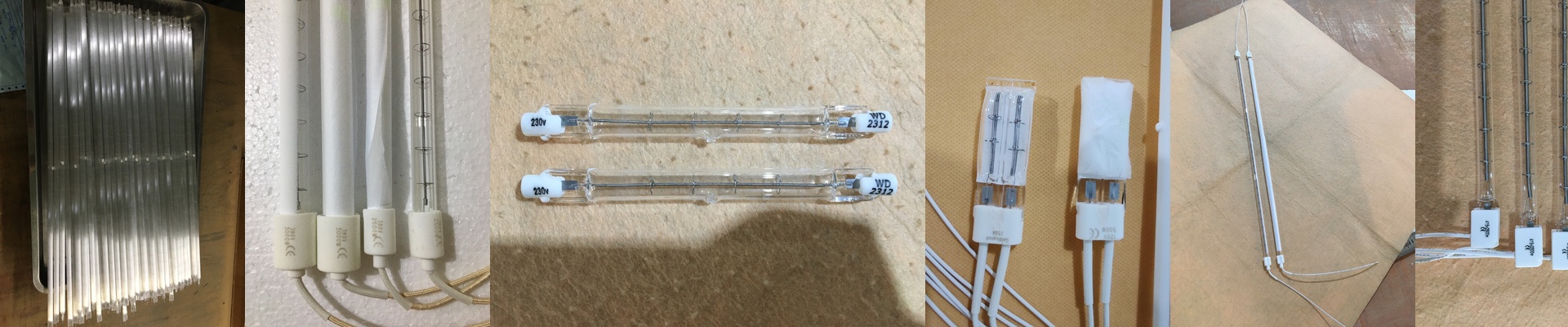
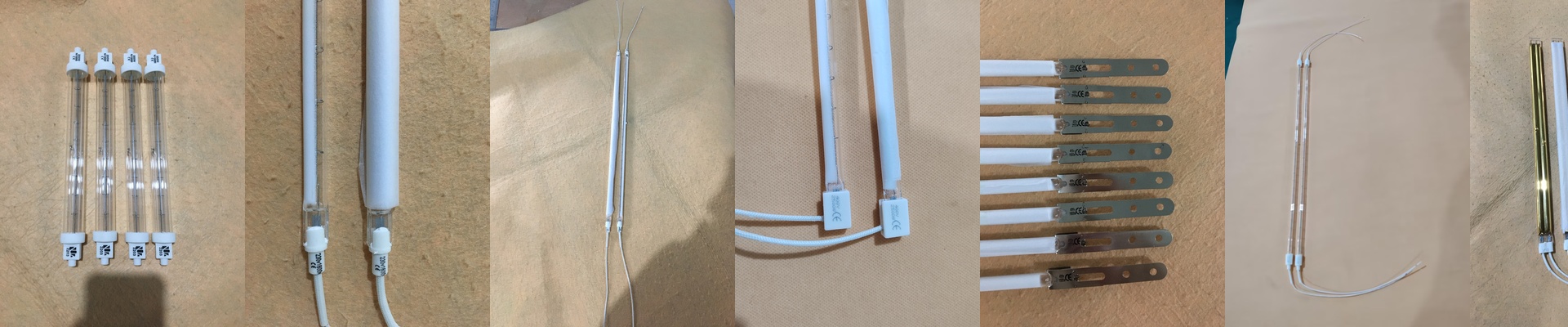
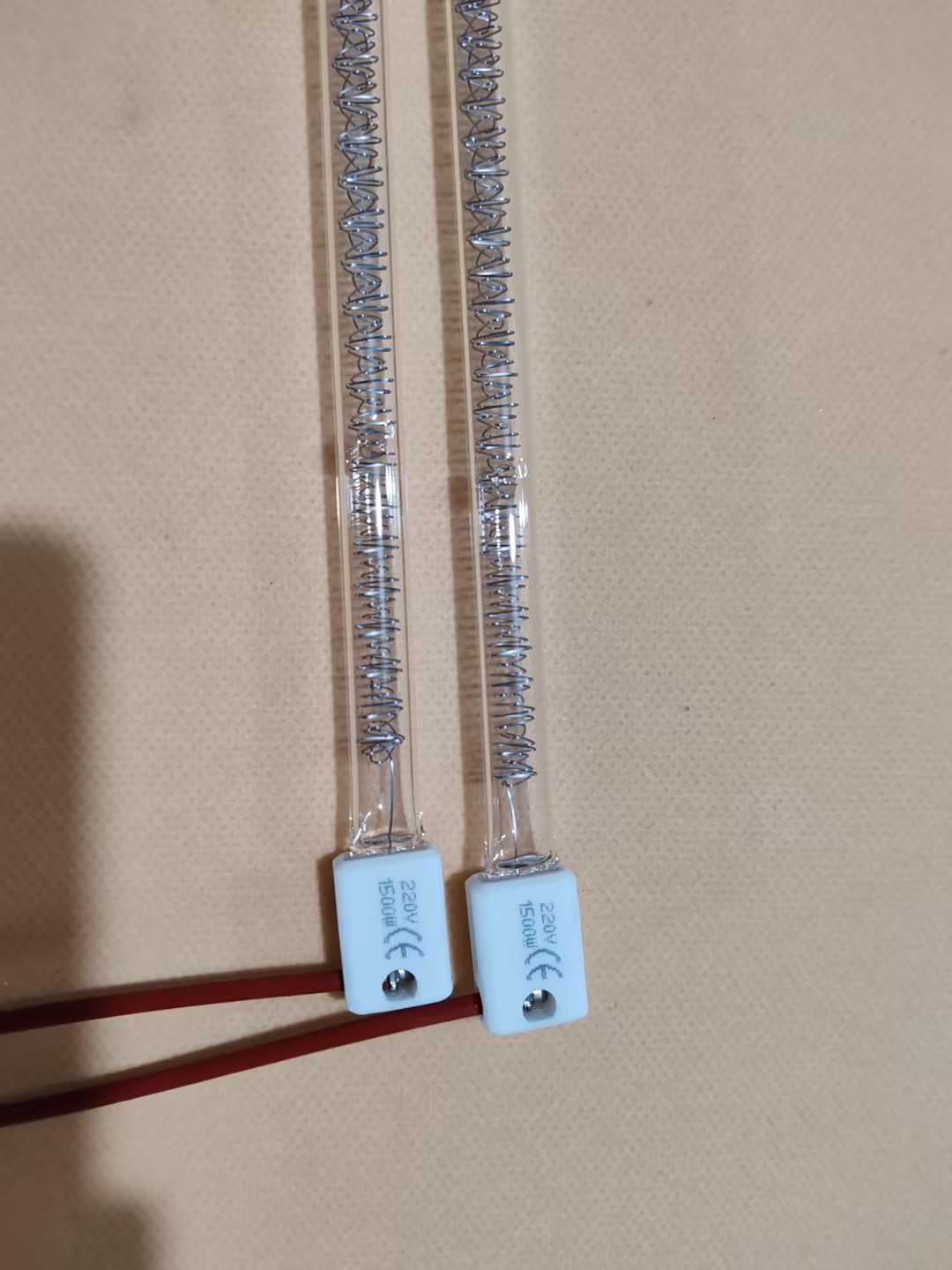
Here’s the thing about these lamps: they’re made to fit. Most come in a 300mm tube, so you can drop them straight into existing setups. No messing around with redesigns. The wattage? That’s what controls the heat output. And the voltage—usually 400V—lets you match the lamp to your machine’s wiring. Going with high voltage at a set wattage means less current. That’s a win because it lets you use smaller wires and smaller contactors in your control panel. But there’s a trade-off. A 400V 2500W lamp throws off intense heat. So your machine needs to be ready to handle that—good airflow and clearance are a must to keep nearby parts from overheating.
What They’re Made Of: Tough Stuff
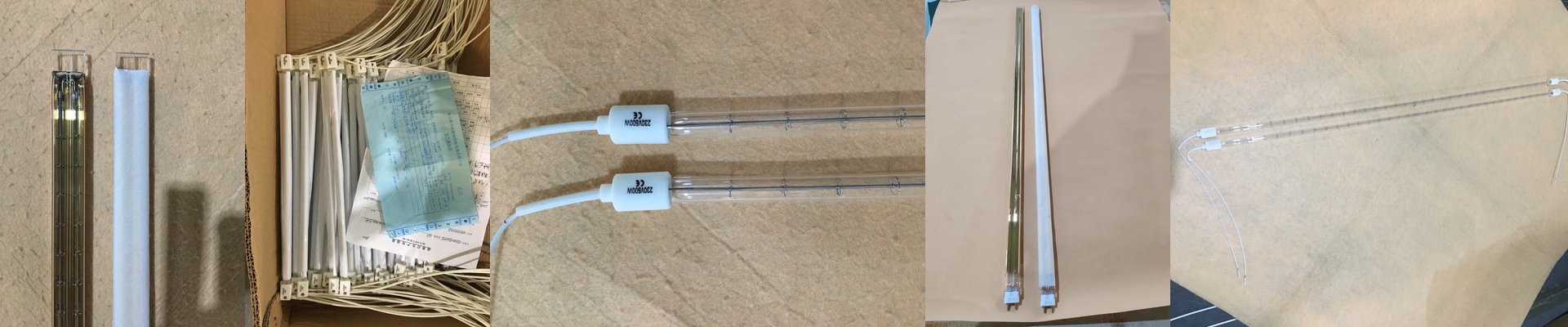
The envelope is quartz, plain and simple. It can take the heat and won’t crack when temperatures change suddenly. Inside, the halogen gas does its job. It keeps the filament stable and stops the inside of the lamp from blackening, which helps the lamp last longer. Many OEM versions add an IR coating. This focuses the energy as radiant heat, so you get faster heating and less wasted warmth floating around. And the connector? It’s usually the R7s type—double-ended pins that lock into ceramic holders. That means a solid, secure fit. Even when things are vibrating, the lamp stays put, and wiring stays straightforward.
Built for the Factory Floor, Not the Shelf
On the production line, these lamps shine where you need heat, fast, and in one specific spot. Think preheating zones or short-run heating stations. Because they’re built as OEM parts, you get a consistent spec that matches your machine’s design. Swapping out a lamp is just that—a swap. No redesigning the whole assembly. We build these to take a beating. But remember, they’re part of a system. Give them proper clearance, make sure there’s airflow, and add over-temperature protection. Do that, and you’ll get steady heat with minimal downtime. That’s the kind of reliability that keeps the line moving.