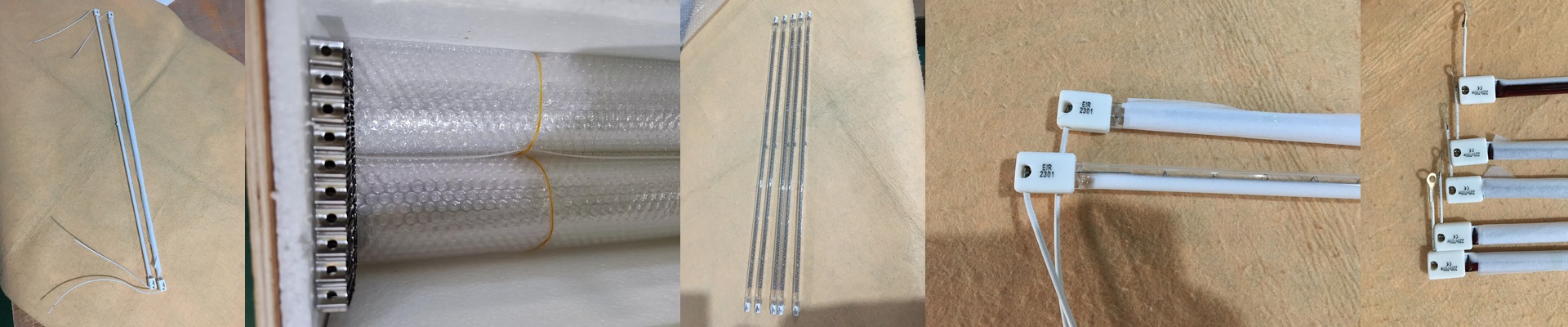
Introduction
We built the Single Halogen Lamp for one simple reason: to give you heat, right now, in the tight spaces inside industrial equipment. If you’re an engineer, you know the drill. You need heat that’s predictable. A connection you can trust. And a component that doesn’t quit when the machine cycles on and off, day after day.
Power, Voltage, and Geometry
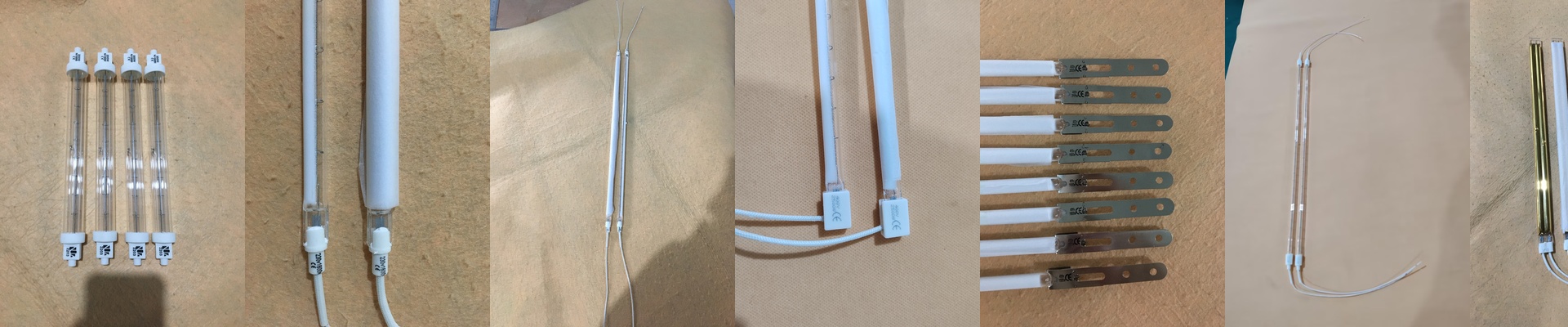
Here’s the thing about these lamps: they pack a serious punch. We’re talking about a focused heat source that can deliver around 2500W, often running off a 400V supply. Why the high voltage? It keeps the current down, which means you can use smaller wiring and avoid losing power at the connection. It keeps things simple inside the machine. And the 300mm length? It’s a smart compromise. It gives the lamp enough surface area to spread the heat load, but it’s still compact enough to squeeze into those crowded heating zones. The result? The filament can run hot without overworking the bulb, giving you stable, repeatable temperature control.
The Design That Takes the Heat
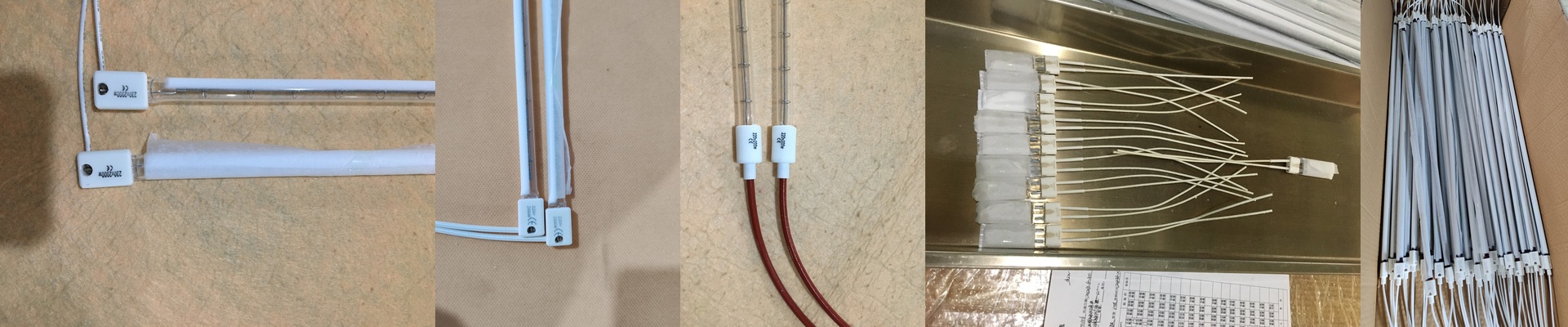
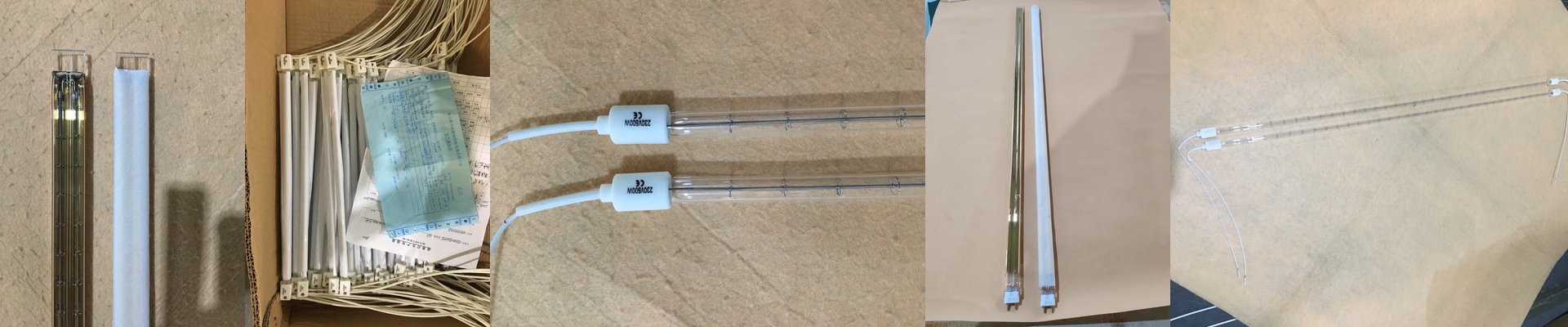
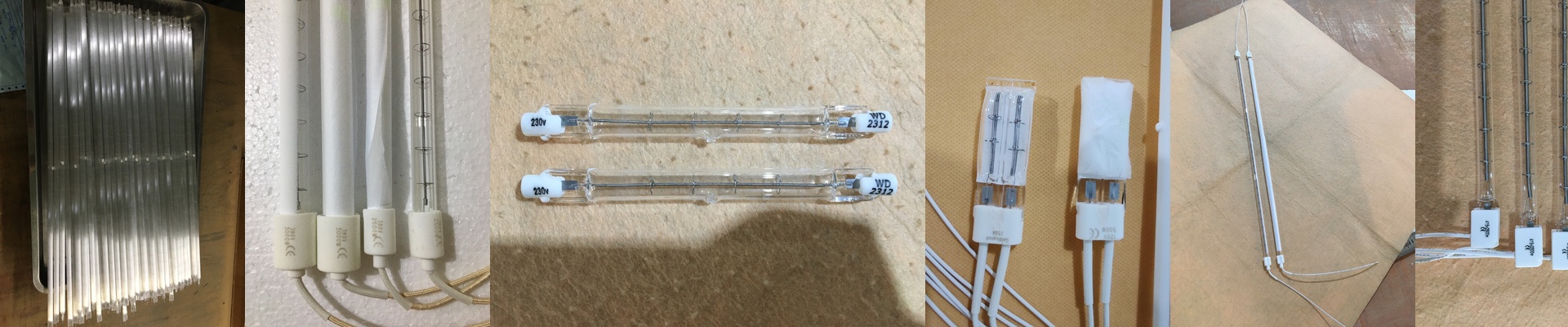
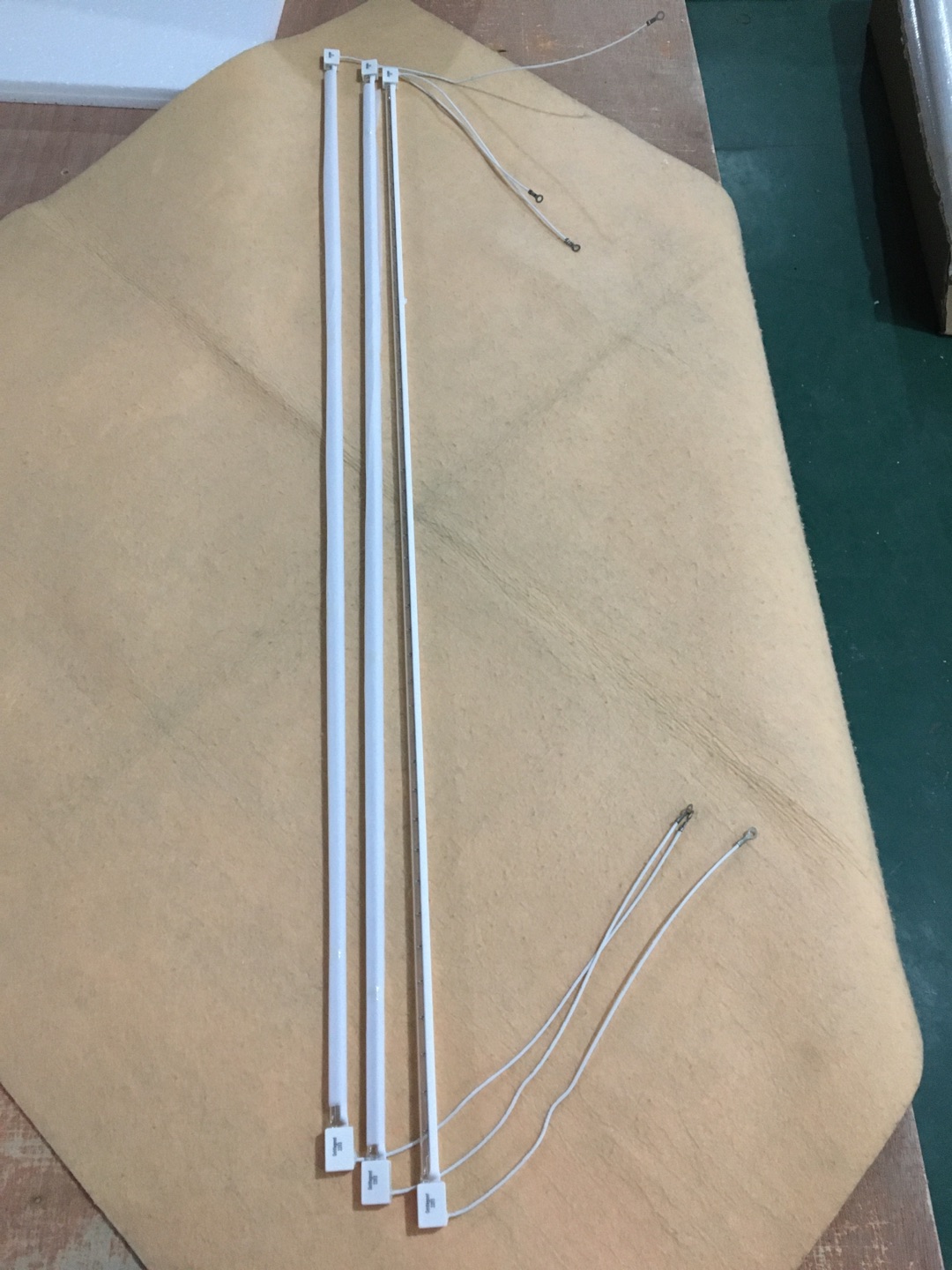
The heart of the lamp is a quartz envelope. It’s there because it can handle the intense filament temperatures and the shock of rapid on/off cycles. No drama. Inside, the halogen cycle is quietly doing its job. It takes the evaporated tungsten and sends it back to the filament, keeping the bulb wall clear. That means you get consistent output over the life of the lamp, with no dimming like you get from a standard incandescent. We finish it off with an R7s connector. The double-ended pin base gives you a solid mechanical hold and perfect alignment. You can wire it up fast, and you can trust it to stay connected, even with vibration and the expansion that comes with heat. It’s a straight-forward swap when you’re out in the field doing maintenance.
Where It Shines
These lamps are the go-to for infrared heating in plastics processing—think PET blowing—and for curing or drying lines that need heat in a hurry. The energy is focused, so you’re heating the target, not the whole machine. But let’s be real. Packing that much wattage into a small tube creates serious heat density. So your machine’s cooling and thermal management have to be up to the task. When everything is designed right, you get a heat source that starts instantly, holds its temperature, and keeps your machine running. No waiting around. Just reliable heat.