Power Density and Electrical Specification
We make these halogen bulbs in 300W, 400W, and 500W sizes because sometimes you need serious heat in a tight spot. The wattage sets how much heat you get per inch, so you can hit the same energy level on the part, every time. And they’re low-voltage designs—typically 120V or 230V—so you can wire them straight into what you already have. No re-engineering the whole plant power setup. Tube length is matched to the wattage, too. A 300W unit might be around 300mm, while a 500W runs longer. That extra length spreads the heat out, so the quartz envelope doesn’t get hammered with hot spots. The payoff? A calmer filament temperature and less stress when you switch the lamp on and off quickly.
Quartz Construction and R7s Integration
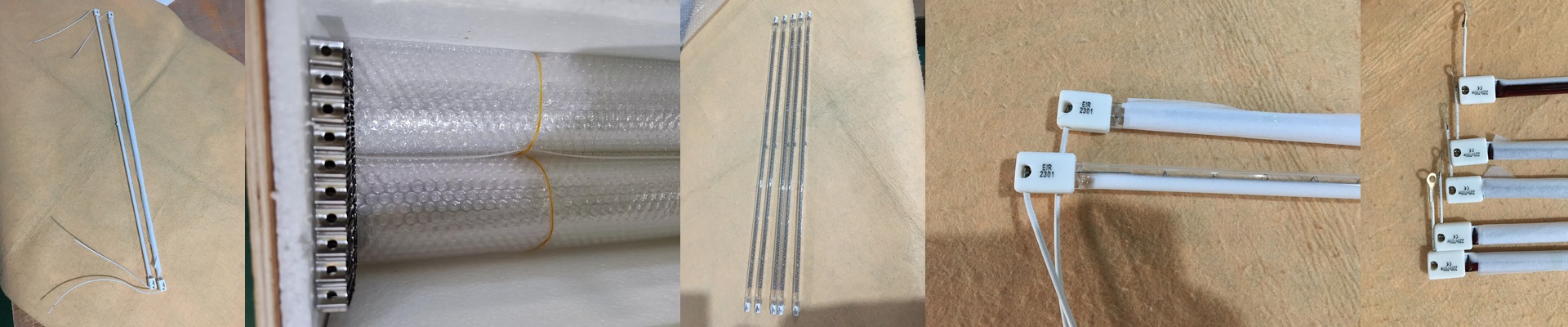
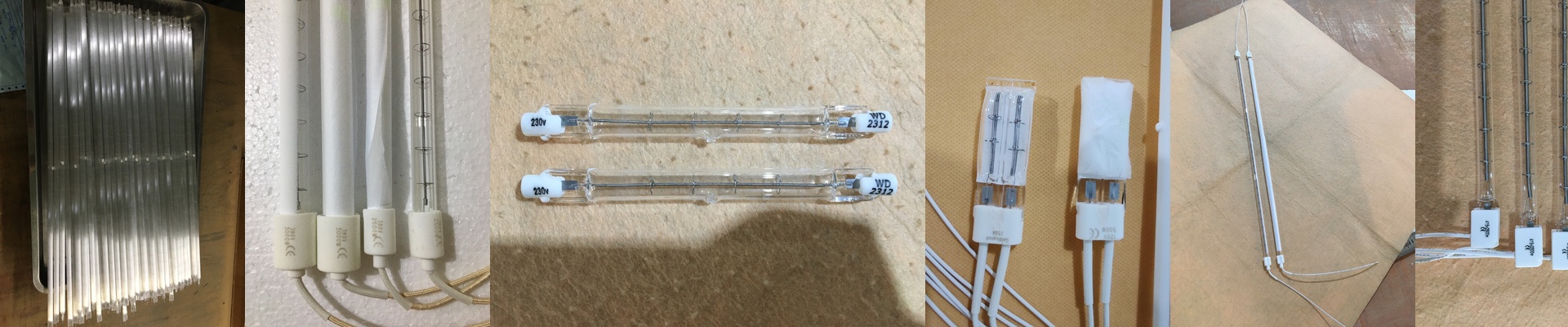
The heart of it is the quartz envelope. It handles sudden temperature swings without cracking, and it stays clear in the near-infrared range—so the energy gets through. Inside, we use a halogen gas mix that makes the halogen cycle work. As the filament sheds a little tungsten, the gas returns it to the filament instead of letting it blacken the glass. That means steady output over the life of the lamp, and no early burnout. Then there’s the R7s connector. It’s a double-ended linear fitting that locks in clean electrical contact and holds the lamp steady mechanically. In practice, that means you can drop it straight into existing fixtures with almost no fuss.
Application Fit and Practical Trade-offs
These lamps shine where you need fast, concentrated heat in a small footprint—preheating, drying, curing, and localized heating on a production line. The infrared energy lands right on the surface, so warm-up is quick and cycle times stay tight. But here’s the trade-off: concentrated heat means you have to manage reflection and heat around the mount. The quartz envelope gets seriously hot, so shielding and clearance aren’t optional. Plan your fixture airflow and guarding so ambient heat doesn’t bake back into the lamp base and electronics.
Material and Coating Engineering
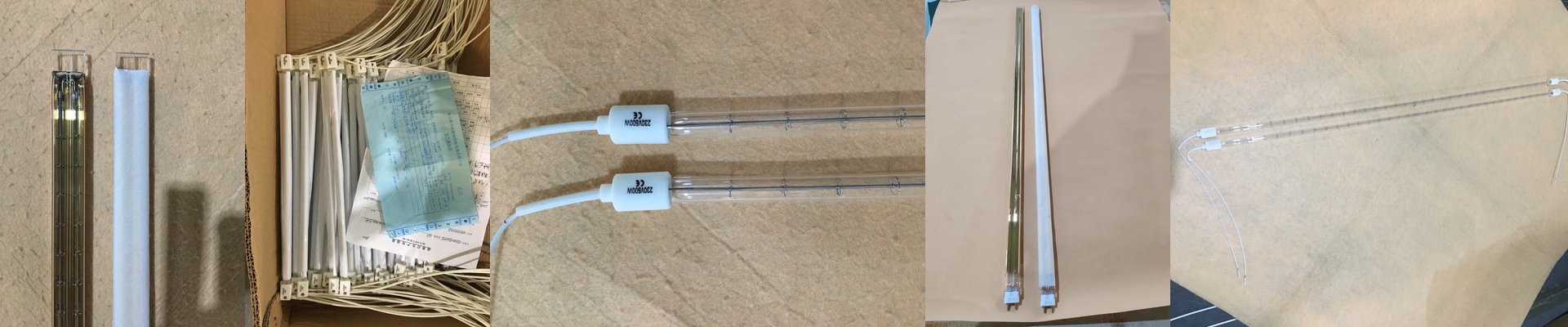
On many versions, we add a reflective coating to push more infrared energy forward, so more wattage actually reaches the part. The coating is built to survive repeated heating and cooling, but it’s not bulletproof against contamination. Treat the bulb with care. Use clean gloves. Don’t touch the surface. Even a fingerprint can bake into the quartz, create a hot spot, and shorten life—sometimes dramatically.
Installation and Reliability
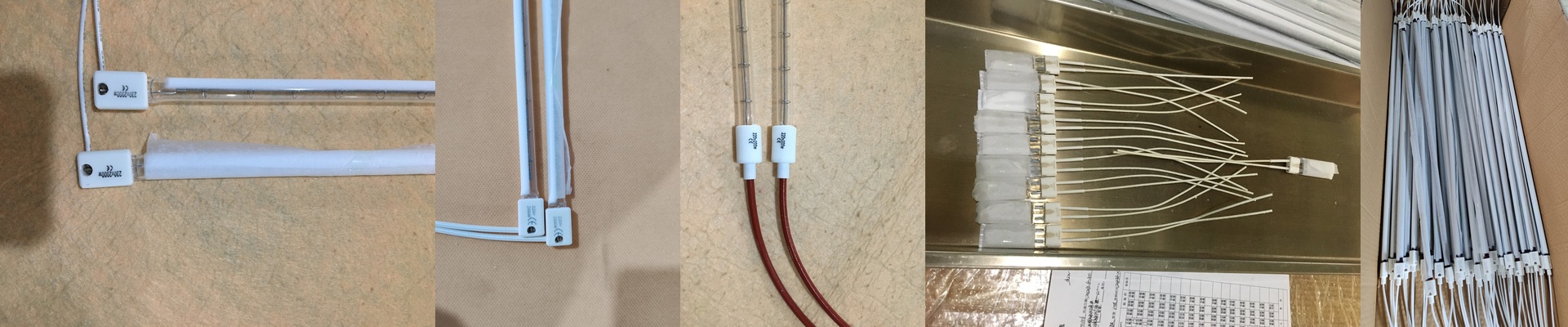
Installation is straightforward. Line up the R7s ends into the socket, double-check the voltage matches the lamp rating, and make sure the fixture is secured against vibration. These lamps hold their output steady over their rated life, but they don’t forgive repeated shocks or sloppy alignment. If the lamp is loose, you’ll get arcing at the contacts, and that accelerates wear. Match the wattage to the job, and you’ll get predictable heat, repeatable cycles, and fewer surprise changeouts.
Application and Benefits for Engineers
For engineers who need fast, localized heat without heating the whole work cell, these 300W to 500W halogen infrared heaters are a practical, compact option. They beat bulky convection systems when space is tight, and they deliver repeatable heat profiles—if the optics and mounting are done right. Use them where cycle time matters, where cleanability matters, and where you want replacement to be simple. The halogen cycle keeps output consistent, and the R7s form factor keeps maintenance straightforward. Just remember: high heat density means you have to plan for shielding and cooling. If the machine can’t shed ambient heat, the lamp will run hotter, and life will drop. Spec the fixture with that in mind.
Why the Wattage and Length Matter
Higher wattage in the same length gives you more heat flux—faster heating, but also a higher risk of overshoot. Longer tubes at the same wattage spread the flux out for a gentler profile. Match the geometry to the part. A short, high-flux lamp is great for small spots. A longer lamp is better for strips and wider zones. That’s how you get temperature uniformity without overcomplicating the control loop.
Reality Check on Operating Conditions
These lamps are tough, but they aren’t indestructible. Rapid power cycling stresses the filament. Voltage spikes cut life short. Dust and oil on the envelope create weak points that heat up unevenly. Plan for clean mounting, stable voltage, and proper cooling. That’s what actually keeps uptime high.
Bottom Line for Plant Engineers
When you need a compact heat source that’s dependable, easy to wire, and steady on output, the 300W to 500W halogen infrared lamp with R7s is a solid choice. You get high heat density, fast response, and maintenance that doesn’t feel like a project. Just treat the thermal environment as part of the design—because it is—and the lamp will show up and do its job shift after shift.
Spec Sheet Snapshot
- Power: 300W, 400W, 500W
- Voltage: 120V or 230V (match to your supply)
- Length: varies by wattage (roughly 300mm to 500mm)
- Technology: Halogen gas, quartz envelope
- Connector: R7s double-ended linear
- Coating: Reflective infrared coating on many models
Practical Selection Guidance
Choose wattage based on the heat flux you need and your cycle time. Choose length based on the area you’re heating. Use the R7s base for drop-in compatibility. Confirm clearance and cooling. When you run it within spec, you’ll get stable output over the rated life.
Final Engineering Note
These lamps are tools, not miracles. Respect the heat. Manage the optics. Wire it properly. Do that, and you’ll get repeatable heat, predictable maintenance intervals, and fewer middle-of-the-night callouts.