Halogen Tube Lamps: The Unsung Heroes of Industrial Heat
Let’s talk about the workhorses of industrial heating: halogen tube lamps. These things are all about delivering a focused, intense blast of heat, and they’re built for engineers who need something tough, compact, and ready to get the job done. We’re talking rapid temperature ramp-up and precise control, all packed into a design that can handle the rough and tumble of a demanding environment.
Power, Voltage, and the Space You Need
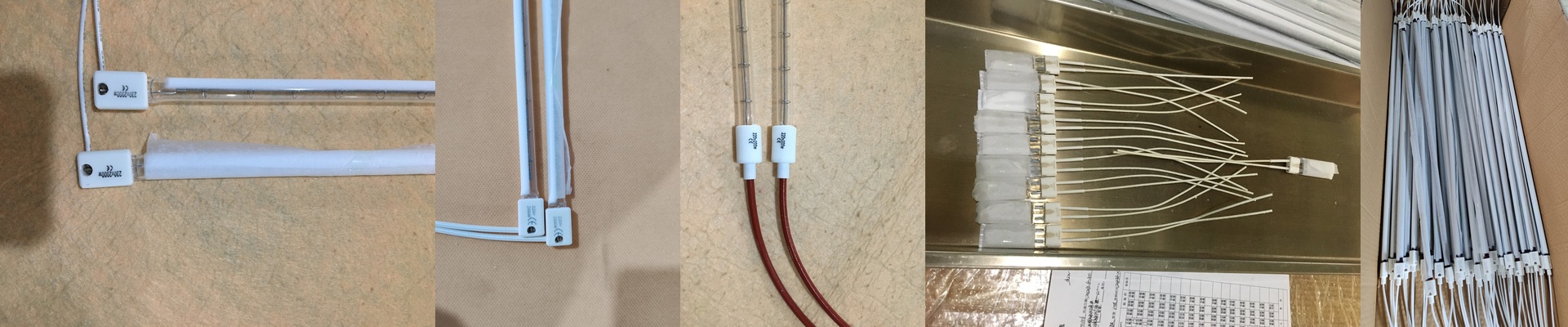
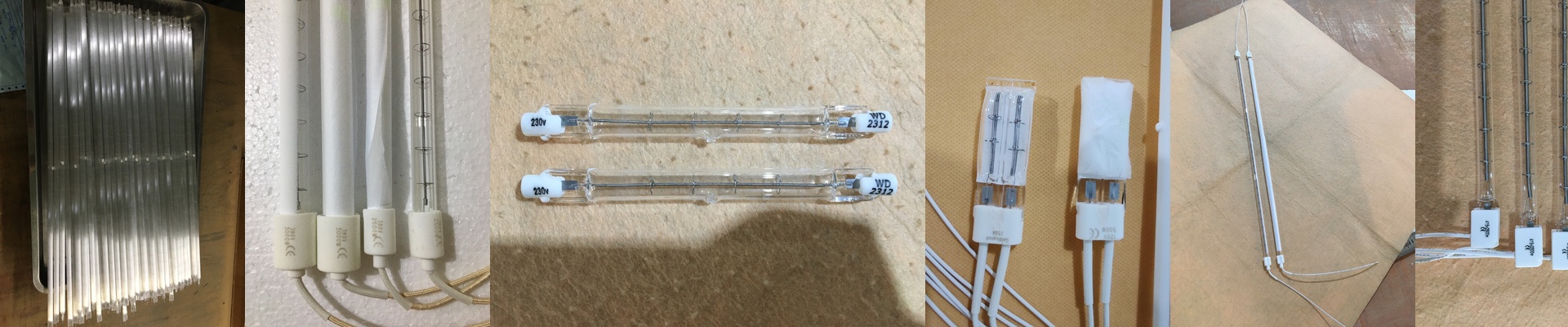
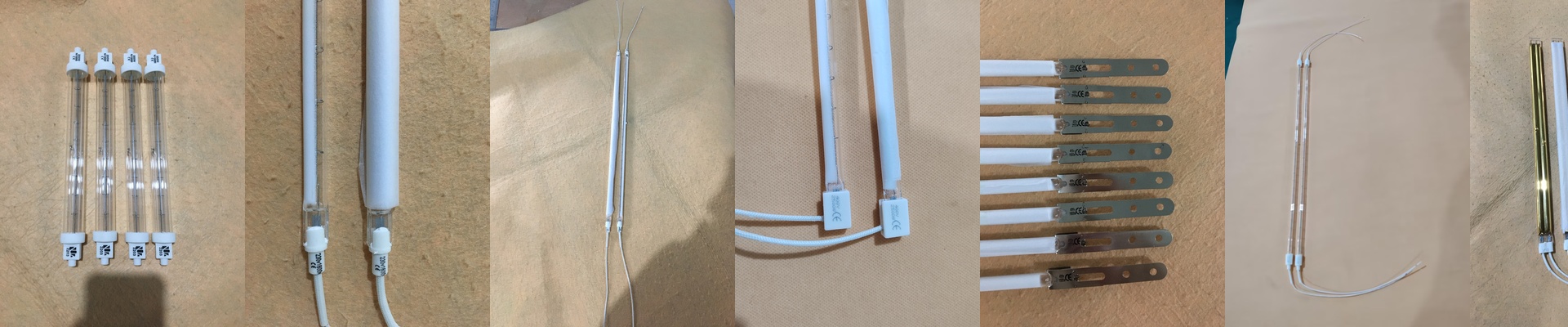
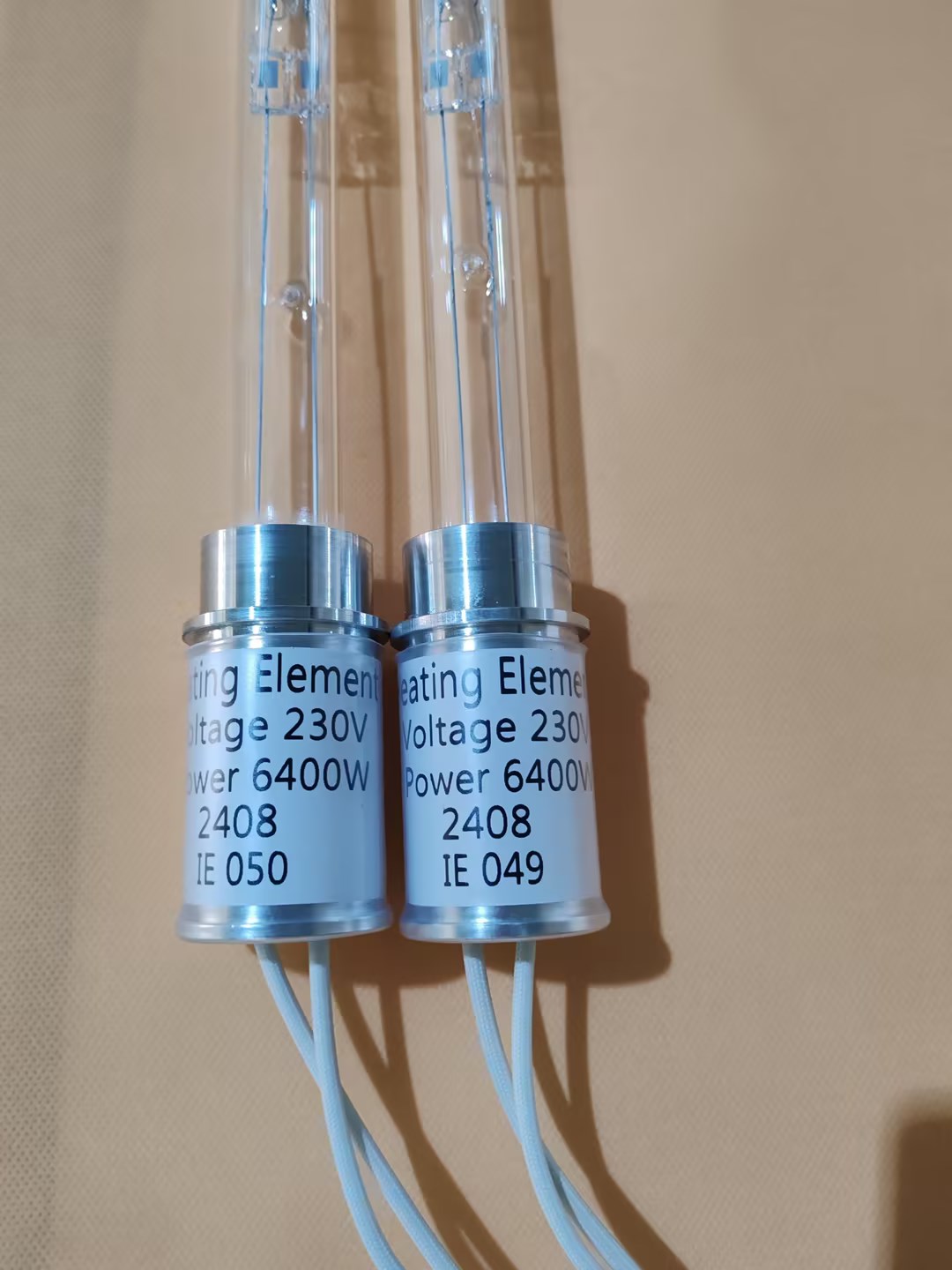
Here’s the thing about these lamps: it all comes down to the specs. You’ll see common setups like a 400V, 2500W unit in a 300mm length, or a 230V, 1500W version in a 250mm body. The wattage and voltage are what dictate the heat output. A 2500W unit, for example, throws down serious power. It’s perfect for the heavy-duty jobs. The length of the tube, like that 300mm one, defines the footprint of the heated area. It’s a trade-off, plain and simple. More power packed into a smaller space means you get heating that’s lightning fast, but your machine needs a solid cooling system to handle the extra heat.
The Details That Make the Difference
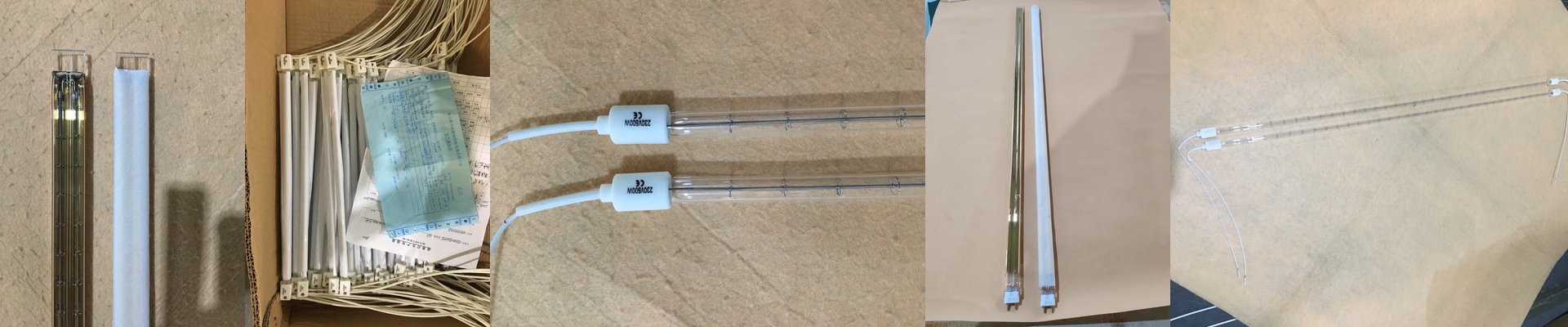
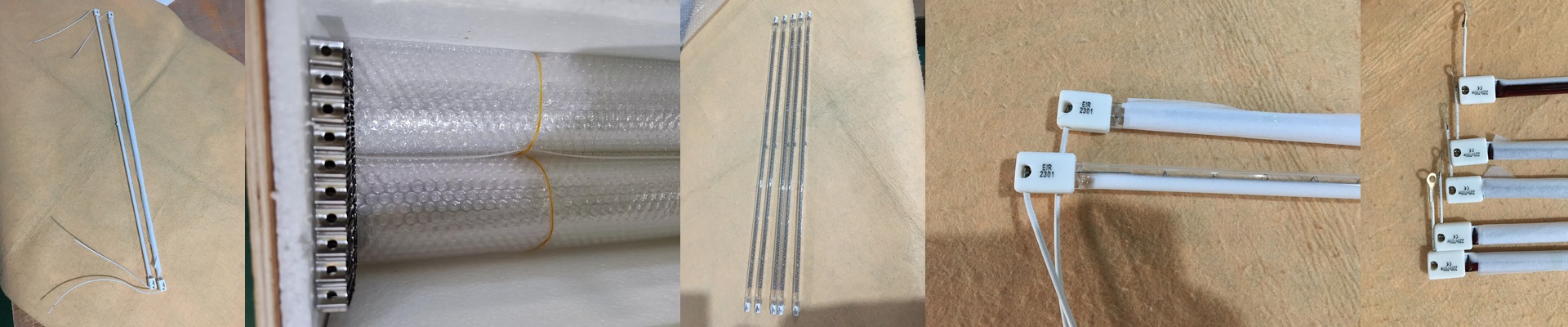
The tube itself is made from high-purity quartz. It has to be—it’s what stands up to the insane heat from the filament and lets the infrared energy pass right through. Many models come with a gold or dichroic coating. This isn’t just for looks. That coating reflects infrared radiation right back onto the target, boosting efficiency and making sure the heat goes exactly where you need it. And then there are the connectors, a detail that’s way more important than you’d think. The R7s base is the standard for many double-ended tubes. It provides a secure, two-point connection that can handle high current without getting hot and causing problems.
Why Engineers Choose This Heat
This design is exactly why these lamps shine in industrial heating. That high power density and quick response make them ideal for tasks like PET blowing, plastic welding, and curing. Their compact size means they can be worked into even the tightest machine footprints. And with that R7s connector, wiring them up is a straightforward, reliable job. You get a clean, non-contact heat source that you can aim with pinpoint accuracy. Just remember, with that kind of power, your machine has to be designed to handle the heat.