Introduction
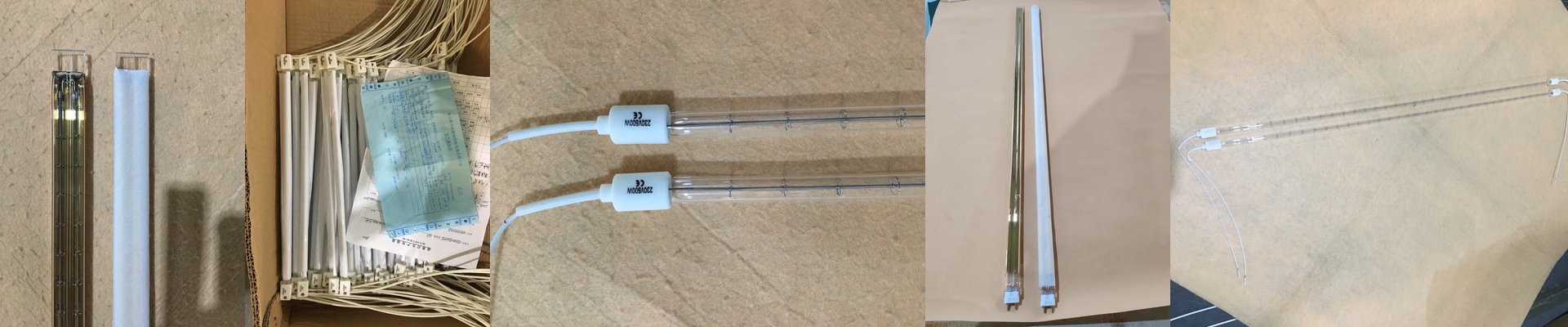
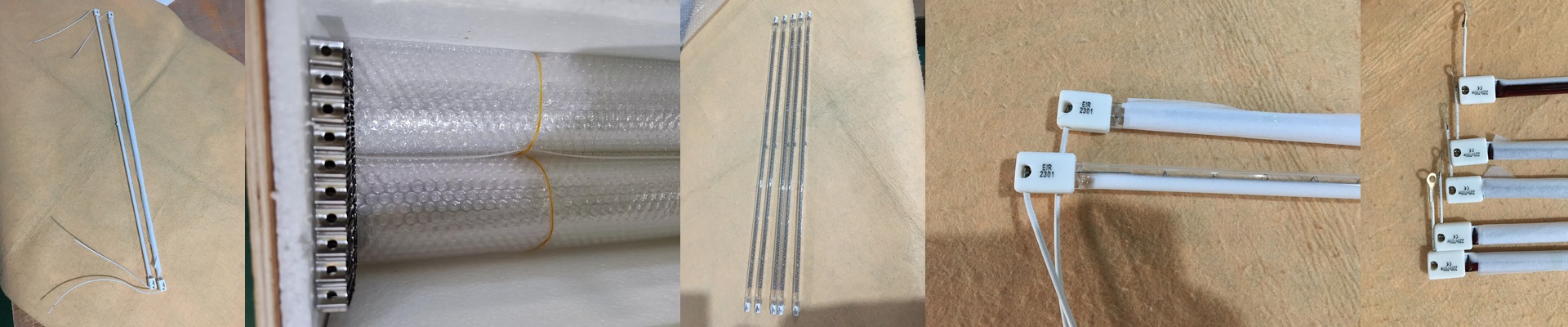
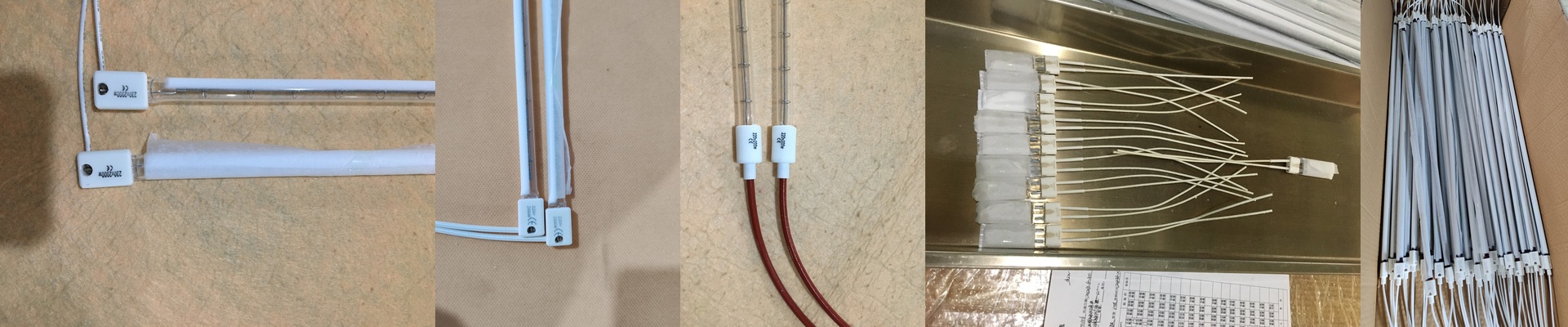
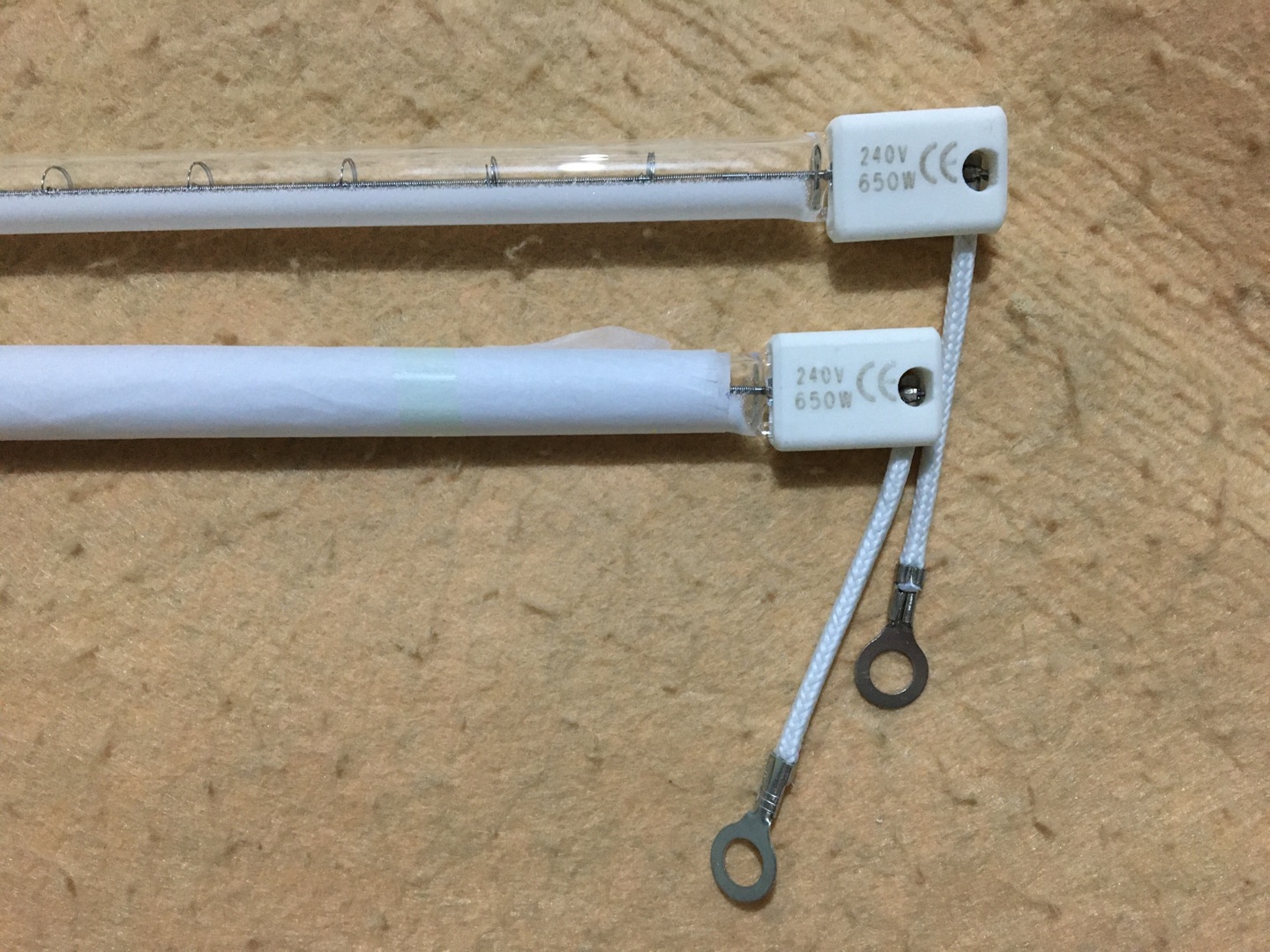
Picture this: you need serious, pinpoint heat, but you’re working in a tight spot. That’s exactly where our halogen heating elements come in. We built these for engineers who can’t afford to mess around with their thermal control. These are quartz-tube lamps, packed with a shortwave infrared filament and a halogen gas fill. The result? Lightning-fast response and rock-solid output. They’re tough enough to handle the relentless pace of industrial cycles, where space is at a premium and consistent heat is the only option.
A Closer Look Under the Hood
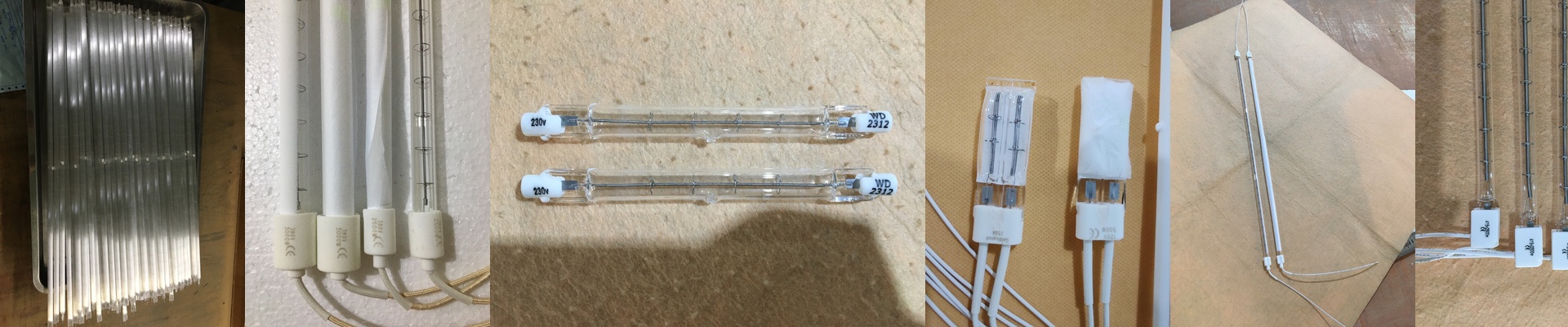
So, how do you size one of these up? It comes down to the basics: voltage, wattage, and physical size. Take our typical unit, for example. It runs at 400V and hits 2500W of power, all packed into a 300mm tube. That’s a lot of heat in a small space. This power density is what gives you that rapid temperature ramp-up. But here’s the thing—it also means your machine’s cooling system has to be up to the task. The 300mm length isn’t arbitrary, either. It gives you a defined heat zone, so you can match the heat to the exact part you’re working on. And because it runs on high voltage, the current draw is lower. That means you can use smaller wires and take stress off your connectors.
The Build and the Brains
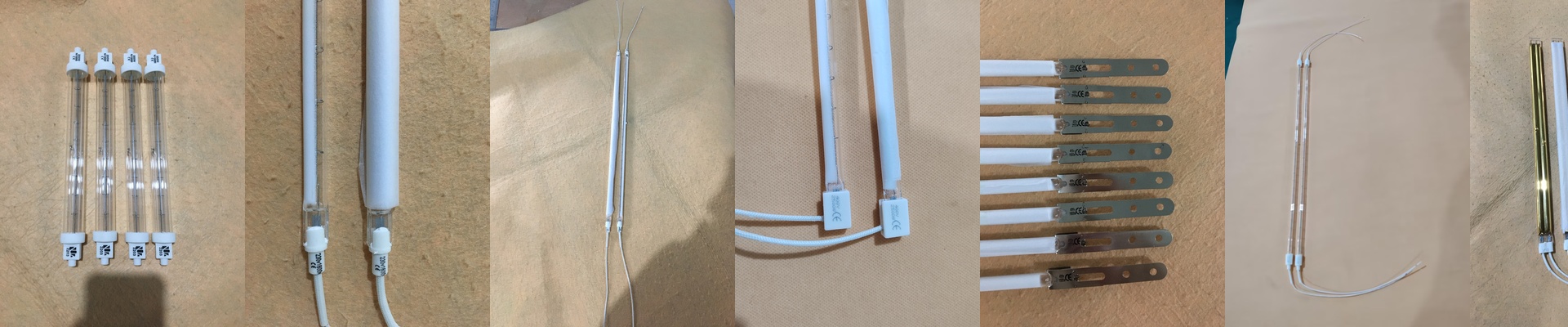
Let’s talk about what these things are made of. The quartz envelope is the real workhorse. It handles the thermal shock of rapid on/off cycles like a champ and lets that shortwave infrared energy pass through efficiently. Inside, the halogen cycle is quietly working to keep the filament clean. This does two big things: it keeps the output stable over the lamp’s life and stops it from getting that blackened look. Swapping out a lamp is simple, too. The R7s connector is a direct, bi-pin fit. No fuss. Just a quick replacement when you need it. We also treat the quartz surface to help manage heat and fend off environmental nasties. But a heads-up: be gentle with it. Harsh chemical cleaners can eat away at that coating and cut the lamp’s life short.
Where They Shine (And What to Watch For)
These lamps are the go-to for jobs like PET blowing, plastic thermoforming, and packaging sealing. Take PET blowing, for instance. The shortwave heat profile gets those preforms hot quickly and evenly. The payoff? Faster cycles and less scrap. Because the tube is compact and the R7s connection is standard, it’s a straight-up, drop-in replacement for most fixtures. You can upgrade without having to redesign the whole machine. Now, a reality check. That high wattage density means you need proper cooling and alignment. Get those right, and you avoid hot spots. When you spec one correctly, a halogen heating element just delivers. It’s predictable, repeatable heat, day after day, run after run.