Introduction
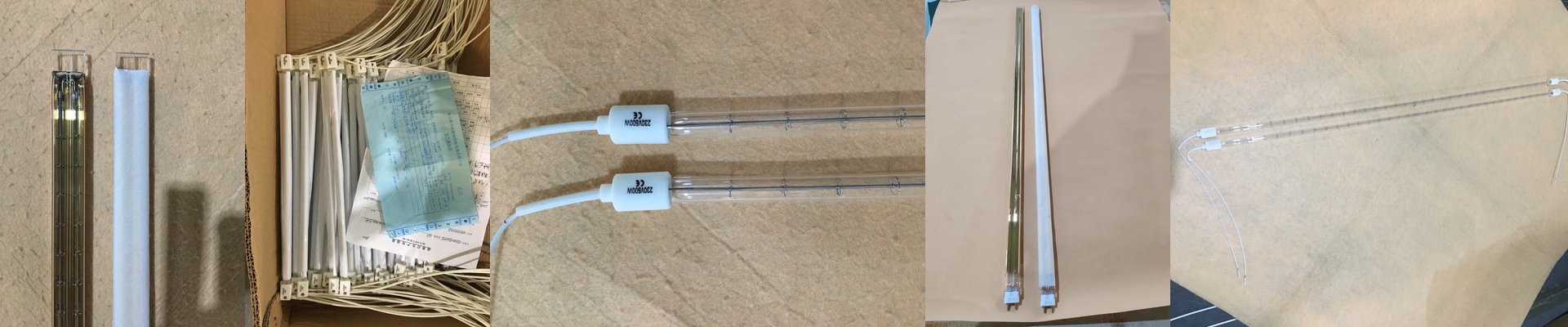
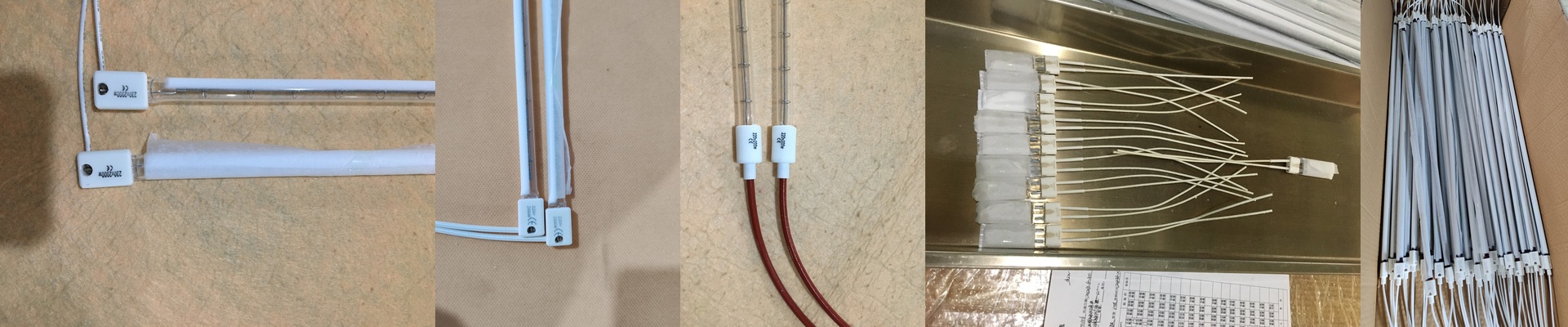
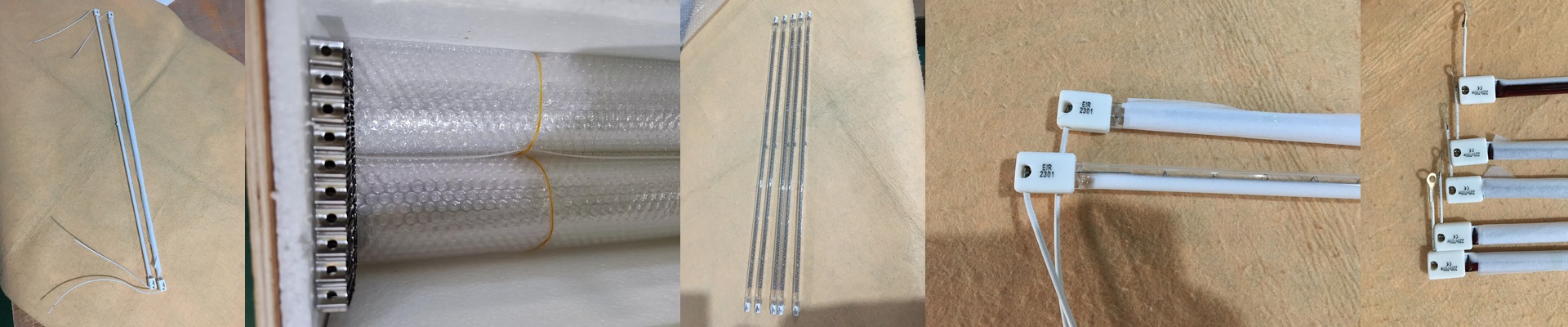
We build halogen heat lamps with one focus: the PET bottle blowing line. The shapes—round, S, and U—aren’t just a design choice. They’re a deliberate match to the preform, so the heat lands exactly where the process needs it. These lamps are made for intense heat, a quick response, and day-after-day reliability inside a fast-moving industrial cell.
Power, Voltage, and Geometry—Why It Matters
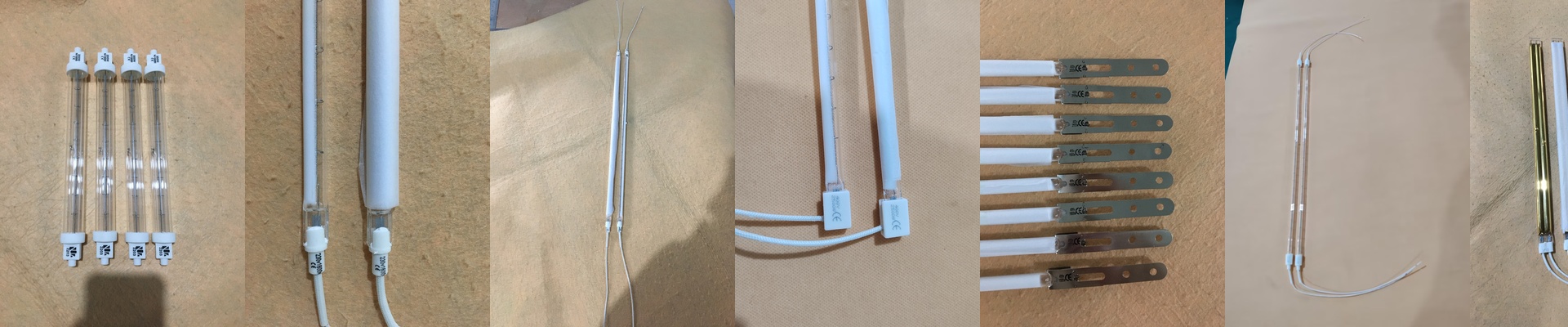
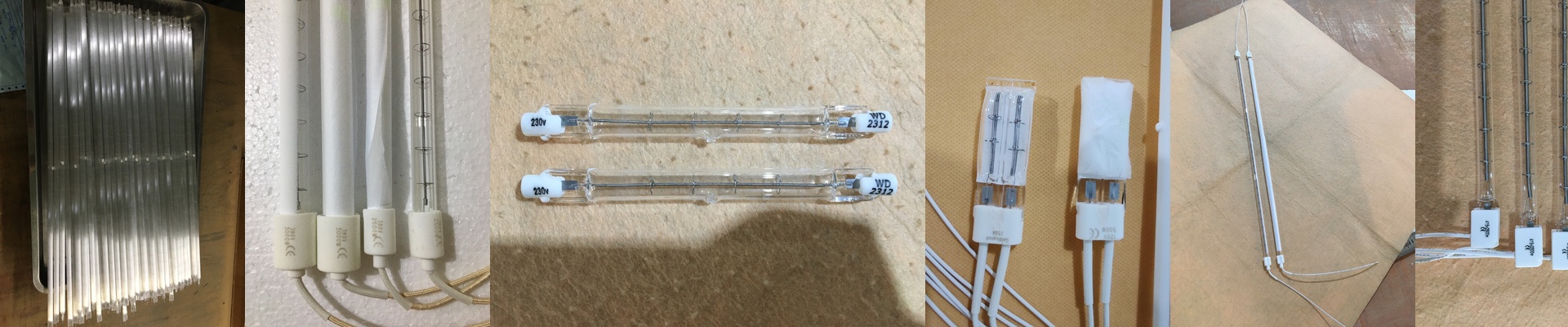
For PET blowing, these halogen lamps run hard, typically around 2500W to 3000W, at voltages that fit the machine—often 230V or 400V. Going with higher voltage drops the current, which keeps wiring and terminals cooler. That’s the practical win: you can run longer lamps without the end caps cooking. Then there’s the shape. Round tubes give you even, radial heating. S and U bends let you wrap heat around the neck and shoulder—without leaving cold spots. The bend radius and overall length are chosen so the lamp fits cleanly in the heater housing, staying clear of clamps and actuators.
The Materials and Design That Make It Work
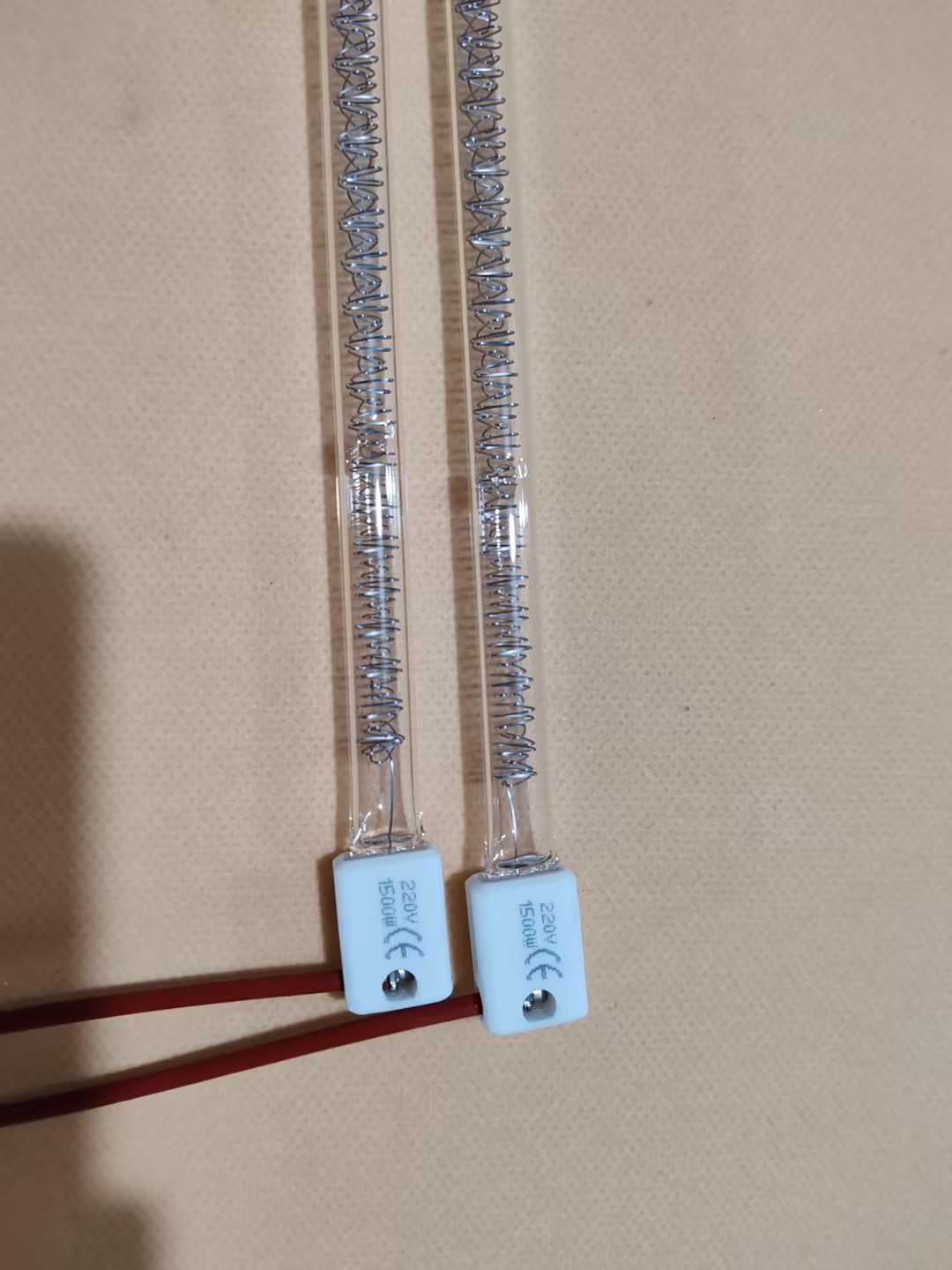
At the heart is a quartz envelope. It handles sudden temperature swings and transmits shortwave infrared well—exactly what you want for fast, controlled heating. Inside, halogen gas keeps the filament stable and fights blackening over time, so output stays consistent. We also use a reflector coating to push energy forward and cut down wasted heat. On a blow molding line, that matters. You want predictable, repeatable heating on the preform wall, not heat drifting into the machine frame. And the R7s double-ended base? It’s the standard for a reason. It gives solid contact, stands up to high temperatures, and makes the lamp a simple drop-in replacement. Wire it up, lock it in, and it stays aligned.
What It Feels Like on the Blow Molding Floor
PET blow molding runs on speed—preforms heat fast and cool fast. Halogen shortwave energy punches into the preform wall quickly, giving you a tight thermal window for stretching. With S and U shapes, you can concentrate heat right where the preform stretches most—shoulder, neck, sidewall—without overheating the threads. It’s high heat density in a small footprint, which helps shorten cycle time and keeps results repeatable. But here’s the part to plan for: that much power density needs proper cooling and airflow around the heater. If you’re running these lamps at full output, the machine has to manage ambient temperature to protect components and keep lamp life strong.