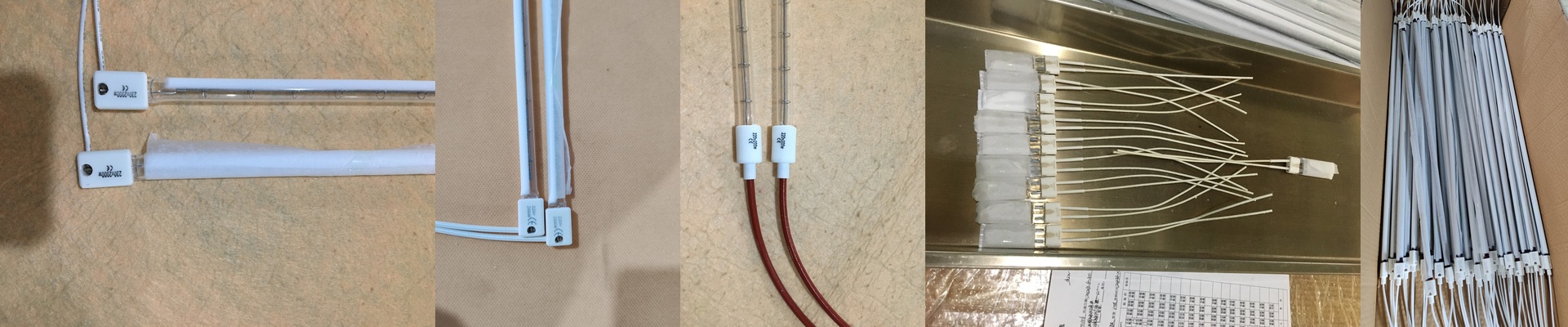
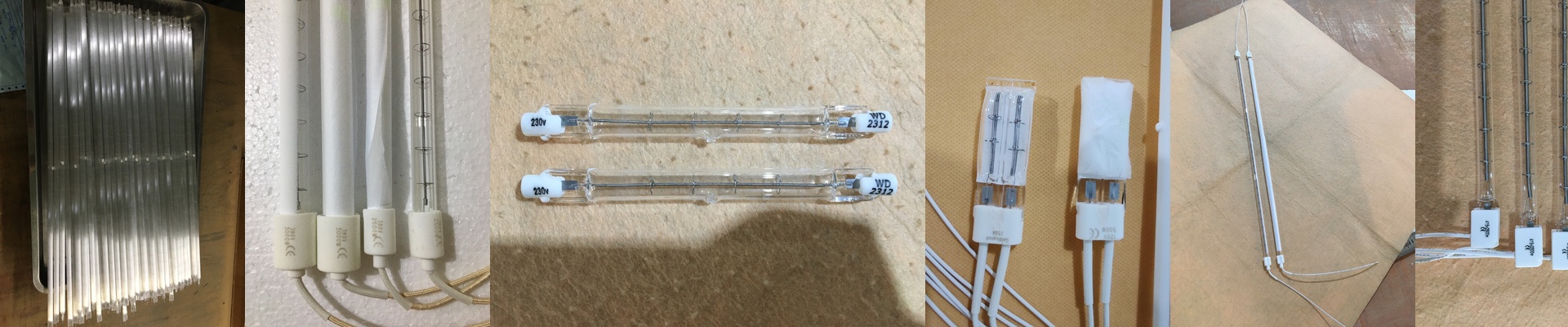
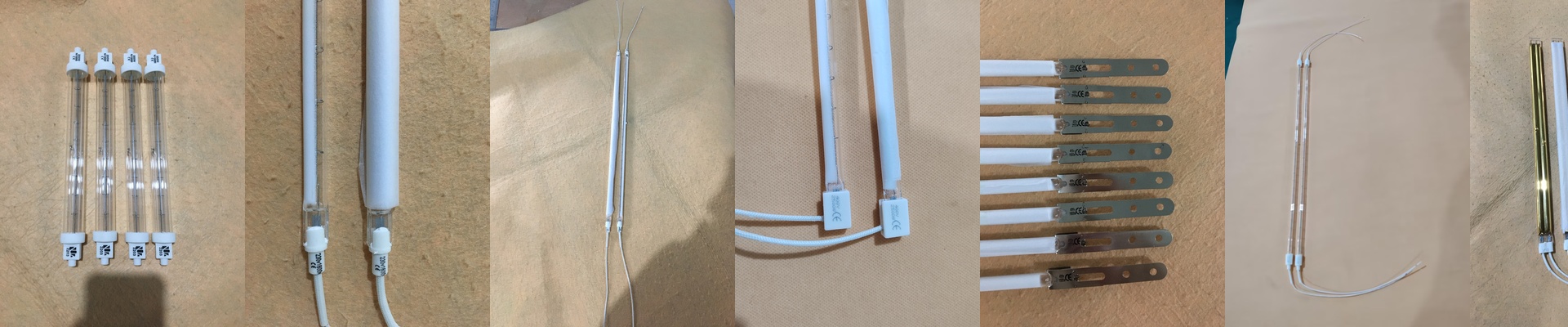
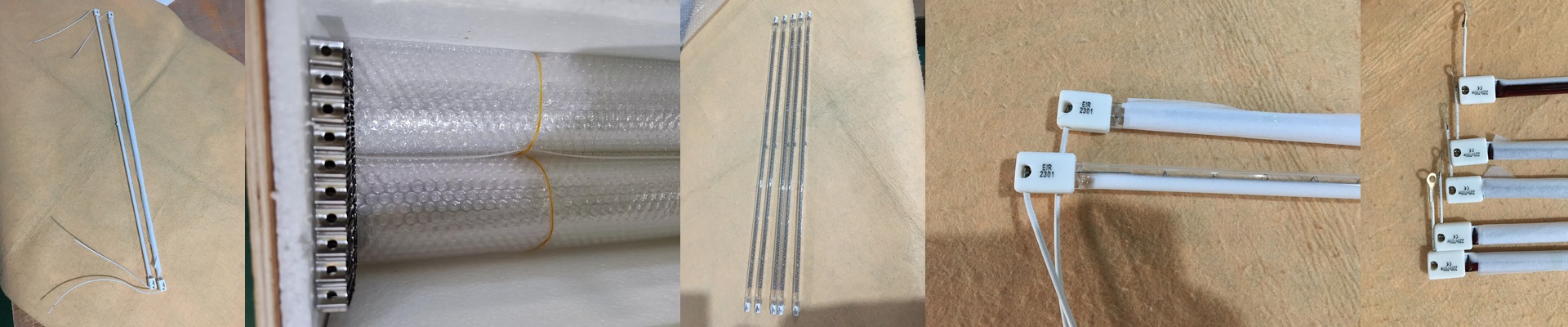
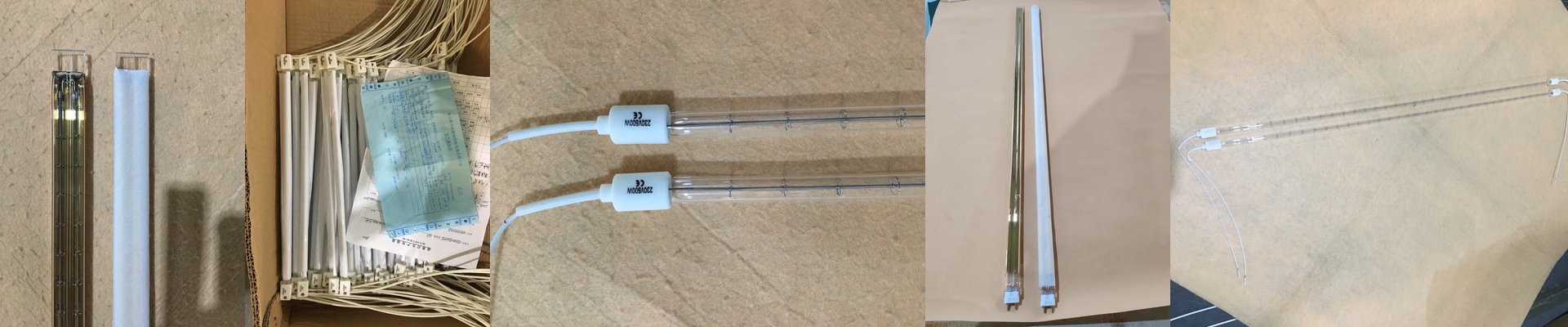
The 950mm Halogen Heating Bulb: Power, Size, and Real-World Heat
We built the 950mm halogen heating bulb for engineers who need serious, predictable infrared heat—without taking up a ton of space. This isn’t a run-of-the-mill lamp. It’s a focused heating tool, made for jobs where you need fast response and steady output, right where you point it.
Voltage, Wattage, and Length—what actually matters
That 950mm length is the first checkpoint. It gives you a long, even heating zone while keeping your machine footprint slim—no need for a deeper enclosure. Then comes wattage, which sets how much heat you get. And voltage? That determines how cleanly the bulb fits into your control panel. High-voltage options (often 400V) are popular in industrial setups because they deliver high wattage without forcing huge current through your wiring. That means you can use smaller gauge wire, smaller contactors, and keep your control box cooler. But here’s the trade-off: your cabinet needs to be rated for the higher voltage, and you have to be stricter with insulation and clearances.
What’s inside: chemistry, quartz, and a practical connection
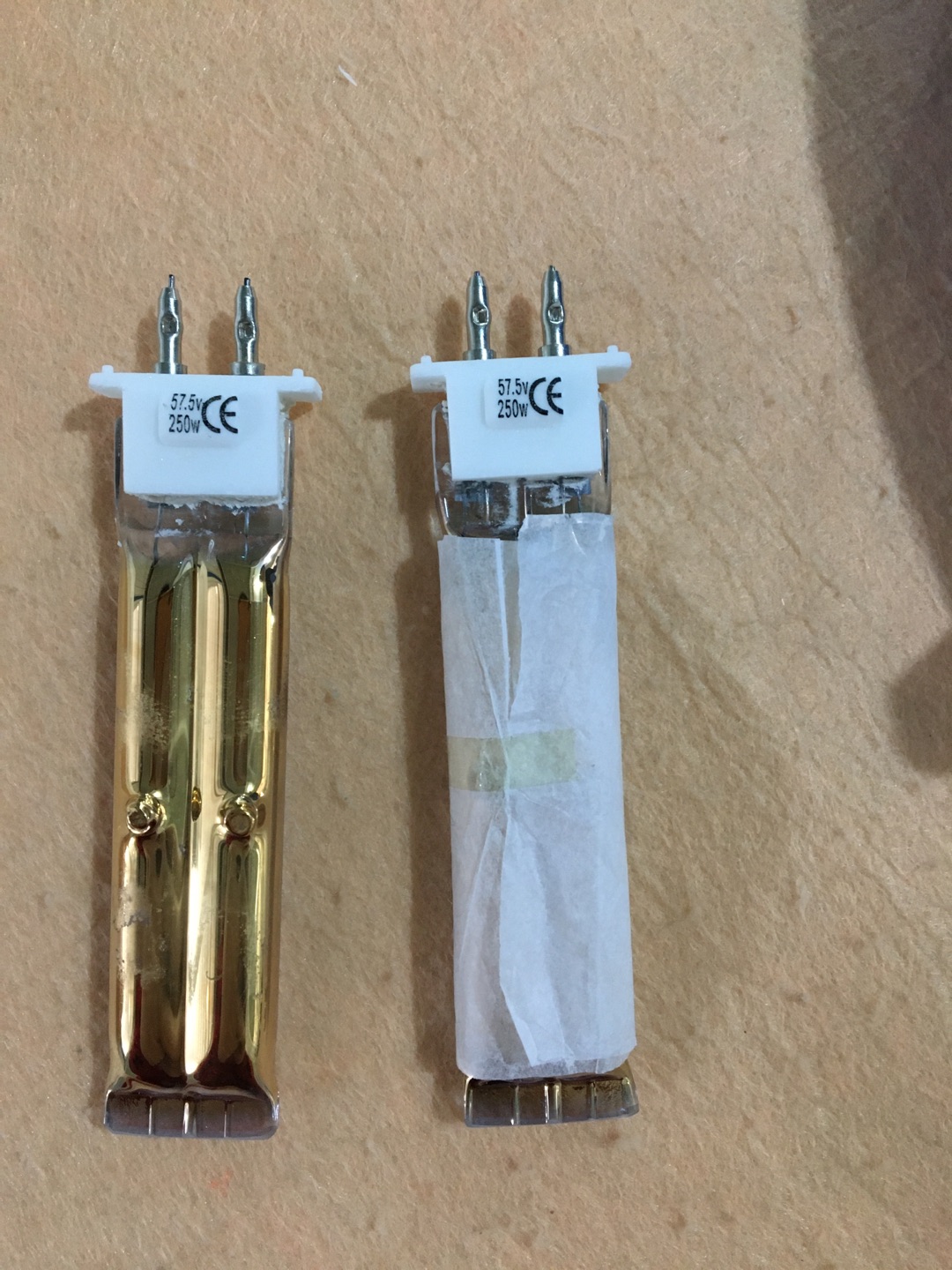
Inside, the halogen cycle does the quiet work of keeping the quartz envelope clean. It redeposits evaporated tungsten back onto the filament, so output stays consistent over the bulb’s life. No dimming. No blackening. The quartz tube isn’t chosen by accident. It handles rapid heating and cooling without complaining, and it transmits shortwave infrared efficiently. In practice, that means the bulb warms up fast and reacts immediately when you change the setpoint. And the R7s connector? It’s practical. It gives a secure, low-resistance connection along the full length, and it makes replacement quick. On the shop floor, that translates to less downtime—swap the bulb, get the machine back online.
Where it shines—and what to watch for
This bulb is at home wherever you need concentrated infrared heat: plastic processing, component drying, curing, or heating a specific surface area. The 950mm size covers a broad area, and the halogen design means heat arrives instantly, with almost no thermal lag. You get predictable heat density, but you still need to manage the environment. These bulbs run hot—so the reflector, mounting hardware, and machine cooling have to be designed to handle the heat. Match the bulb to the process. Size the electricals for the voltage you choose. And plan airflow so the whole assembly stays within safe operating temperatures.