Getting Your Countertop Powder Coating Heaters to Actually Perform
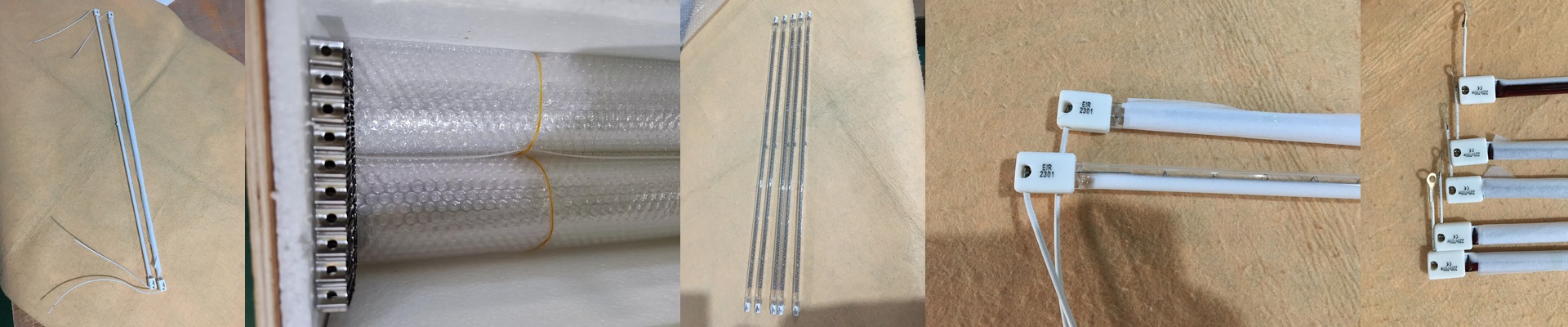
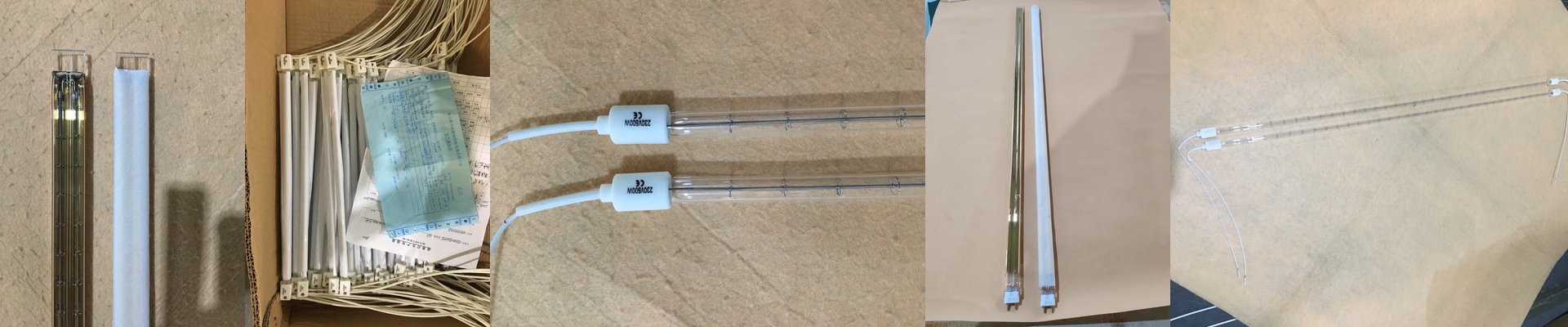
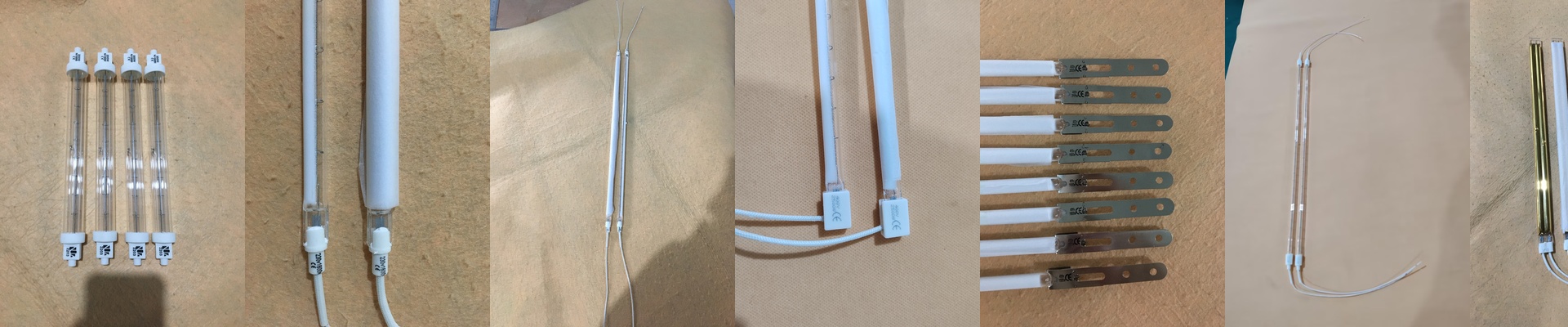
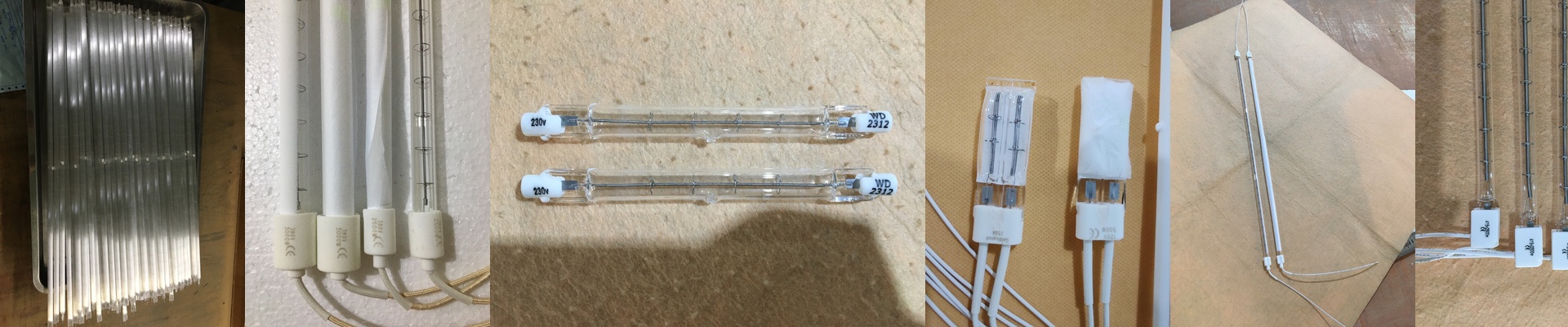
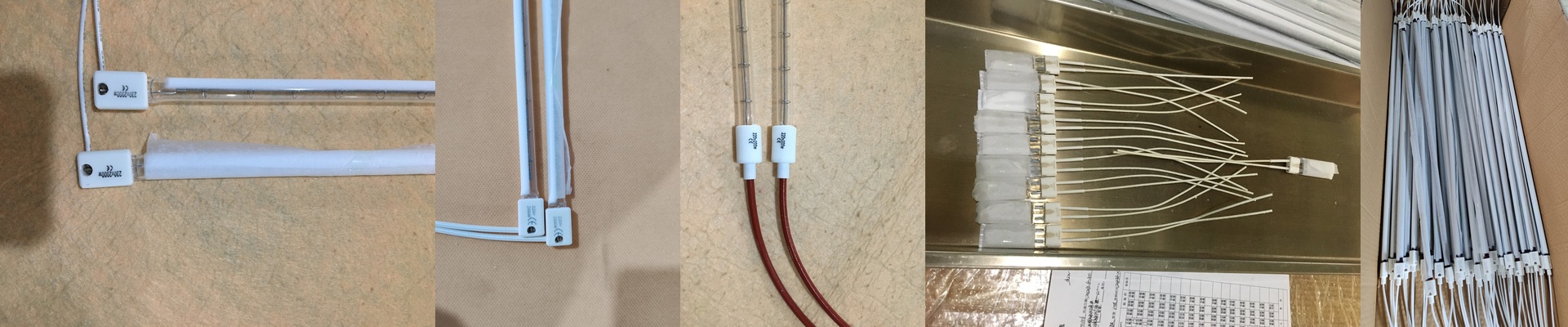
If you’re curing small parts on a countertop, you know the struggle. You need that powder to melt and flow perfectly, but you have to do it fast—before the part itself gets too hot and ruins everything. That’s where shortwave infrared (IR) comes in. Let’s talk power. We design these heaters to hit those thermal targets in a hurry. When we pack high wattage into a short tube, we’re basically cranking up the radiant flux. For you, that just means your parts heat up faster. Now, we use high-voltage setups so we can push more power through the filament without melting your wiring. Just a heads-up: make sure your power supply actually matches the lamp’s voltage. If they’re out of sync, you’re just asking for a premature burnout. The gear inside. We stick with quartz glass for the envelopes. Why? Because standard glass can’t handle the “thermal shock” of switching on and off rapidly. Quartz doesn’t flinch. Most of our tubes use R7s or Sk15 connectors, so they should slide right into most industrial housings without a fight. We also add a special coating to the quartz to bounce the heat forward toward your work. It keeps the back of the housing from getting baked by wasted energy. The business side of things. Keeping a stash of these lamps is a total pain for equipment dealers. It ties up too much cash. To fix that, we use a tiered pricing model and a zero-inventory approach. It’s a simpler way to make sure you have the tubes you need without draining your bank account. One last thing. These high-output lamps getintense. If your ventilation isn’t up to the task, you’ll start seeing the housing warp or the connectors degrade. Trust me, proper airflow is the only way to keep this thing running for the long haul.