From the Shadows to the Spotlight: What We Learned Making Heaters for the Big Guys
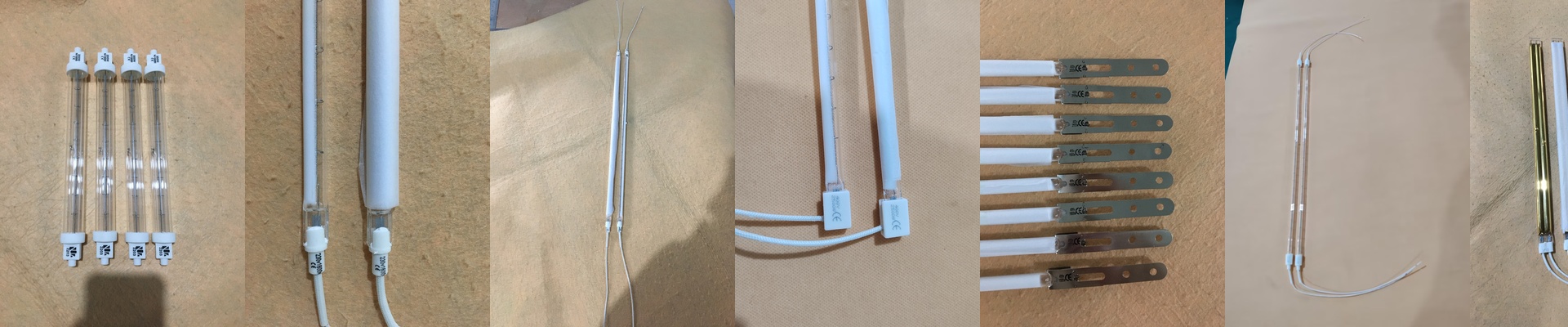
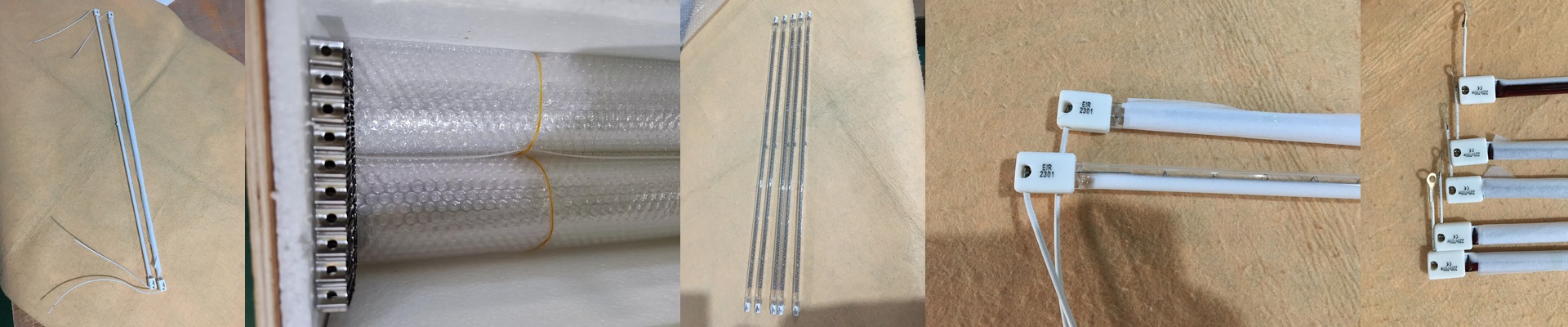
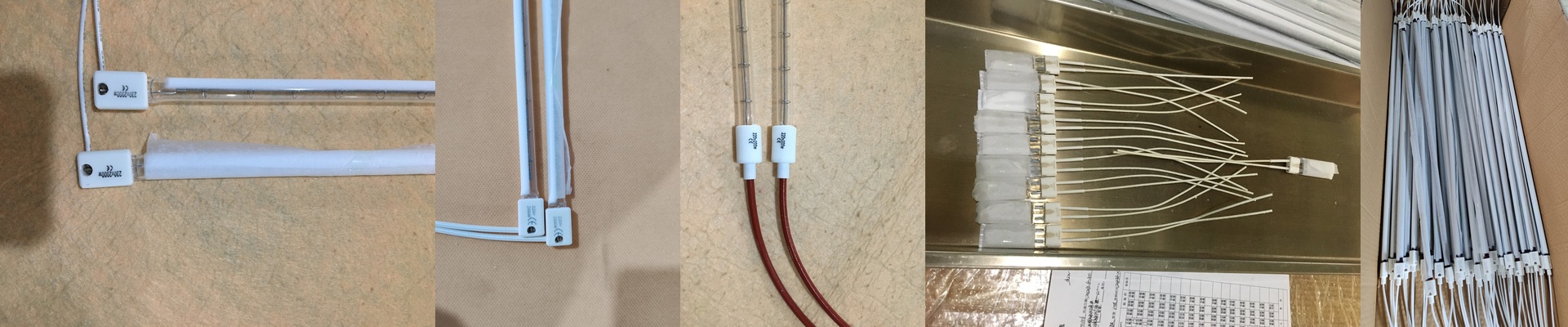
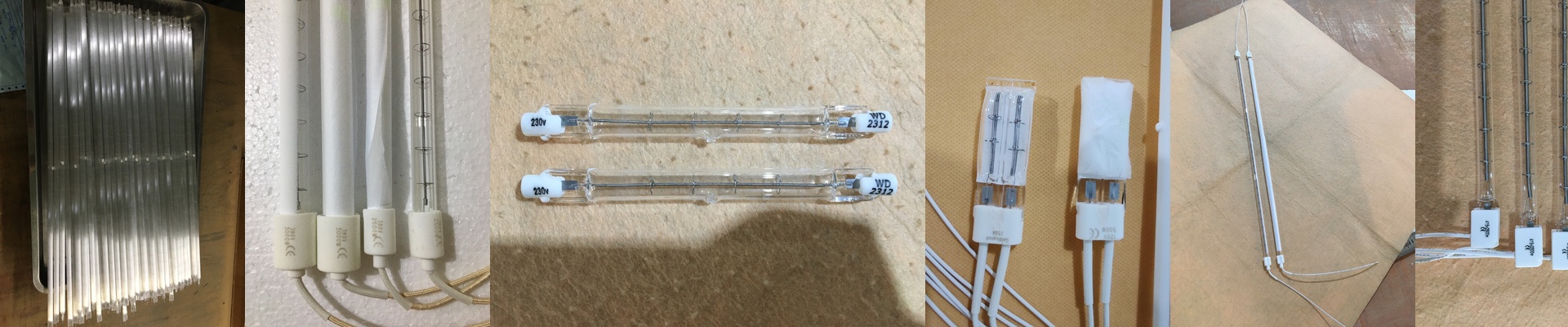
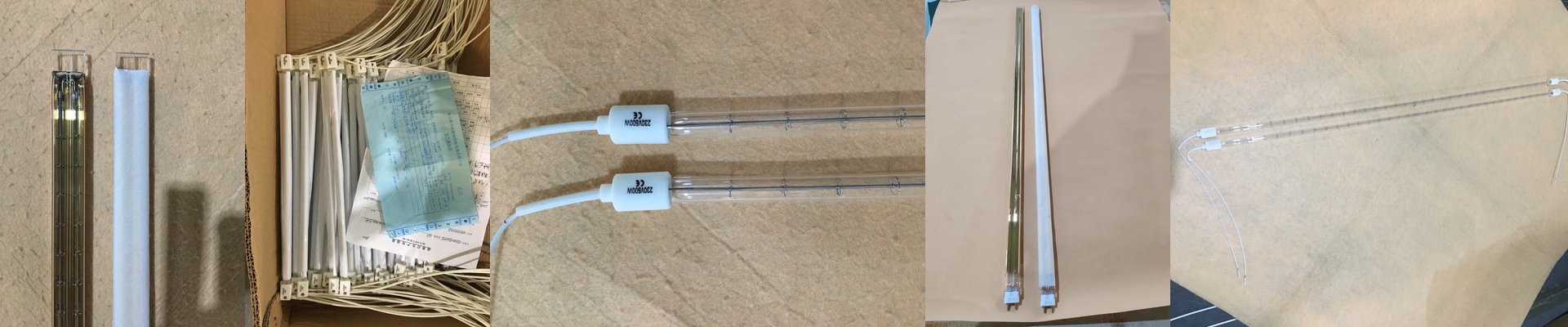
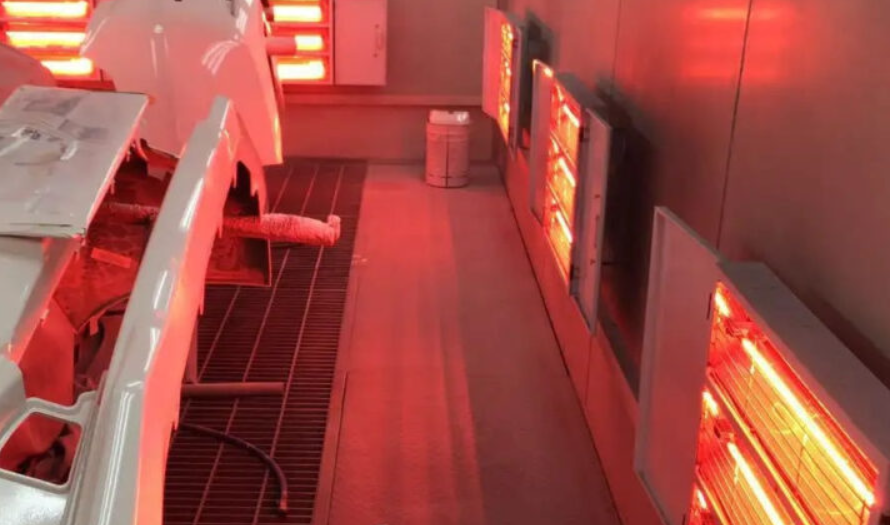
For ten years, we were the secret weapon. We spent a decade as an OEM, building powder coating heaters for the biggest names in the business. We were the ones behind the curtain, putting our name on nothing while making the gear that kept their lines moving. But that decade of white-labeling gave us a front-row seat to everything that goes wrong. We saw exactly where the “big brands” cut corners and where curing lines actually choke. We didn’t just follow a spec sheet; we spent years obsessing over why some tubes burn out in a blink while others just can’t get the surface hot enough. The tug-of-war with heat Here’s the thing about powder coating: you need that perfect ramp-up to the gel point. To get there, it’s all about the balance between wattage and the length of the tube. If you crank up the wattage density, you get a faster cure. Great, right? Well, not necessarily. That puts a massive amount of stress on the quartz glass. If you use cheap stuff, it bows or cracks under the heat. That’s why we stick to high-purity quartz. And a word of warning: if you try to squeeze maximum output into a tiny footprint, your cooling system has to be spot on. If it isn’t, the ambient heat around the housing will just melt your wiring. It’s a messy way to find out your cooling is undersized. It’s all in the connection We use short-wave infrared because it actually digs deep into the coating. But the tech doesn’t matter if the heater doesn’t fit. We made sure our connectors—whether you’re using R7s or Sk15—are tight. Like, really tight. We’ve seen way too many “budget” heaters fail because the contact points were off by a fraction of a millimeter. That leads to arcing, and arcing fries your lamp ends. Simple as that. Getting it to work in your shop Look, these heaters are built to take a beating in a real industrial environment. But I’m not going to tell you it’s a “perfect” plug-and-play solution. Why? Because every oven has its own weird airflow. You’ll still need to tweak your conveyor speed to match the heat coming off our tubes. It takes a minute to dial in. But once you do? You get a consistent thermal profile across the whole part. No more annoying cold spots, no more curing failures, and way fewer rejected batches heading for the scrap pile.