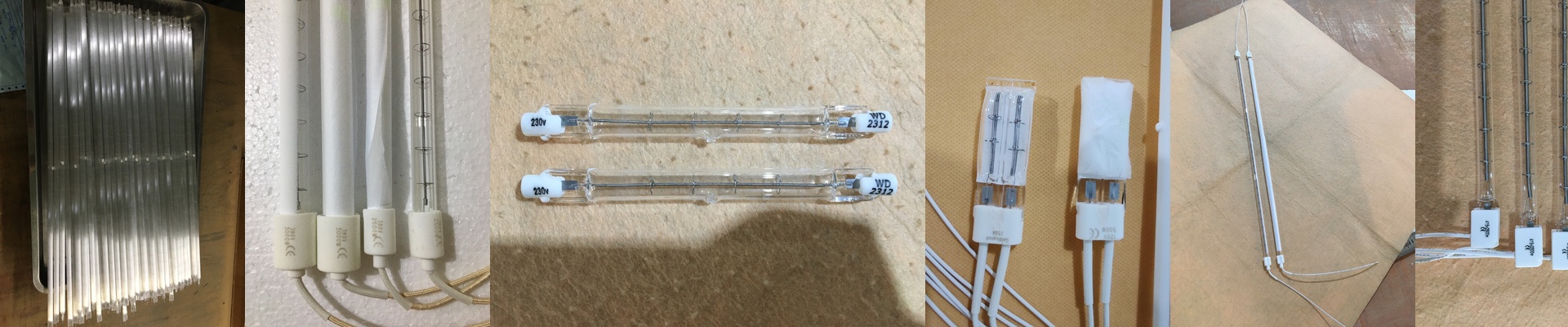
Energy-Saving IR Quartz Halogen Lamps: High-Density Heat for Industrial Processes
We built these energy-saving IR quartz halogen lamps for engineers who need heat, fast. And controllable. All packed into a small footprint. They’re shortwave infrared emitters, designed to deliver intense heat with precise focus. The payoff? You run cycles quicker, without turning your whole plant into a sauna.
Power, Voltage, and Size: The Practical Breakdown
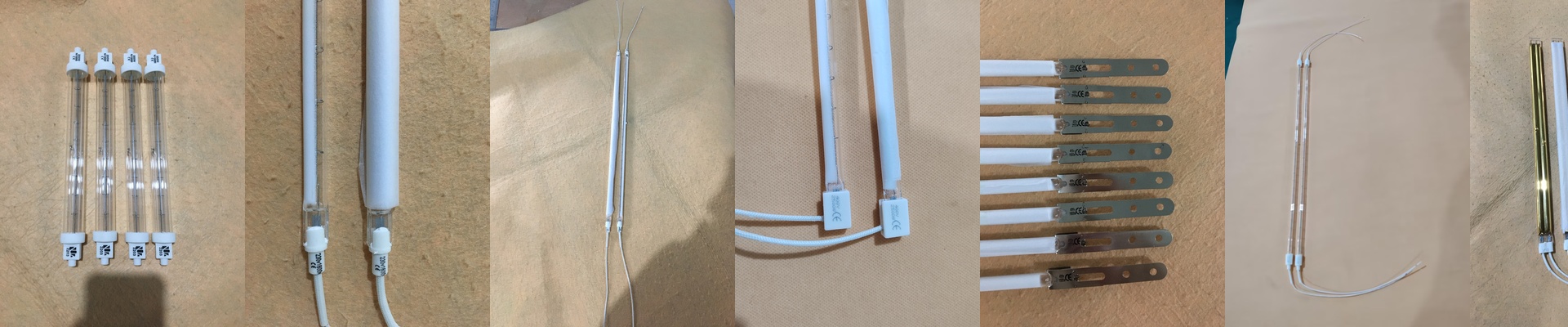
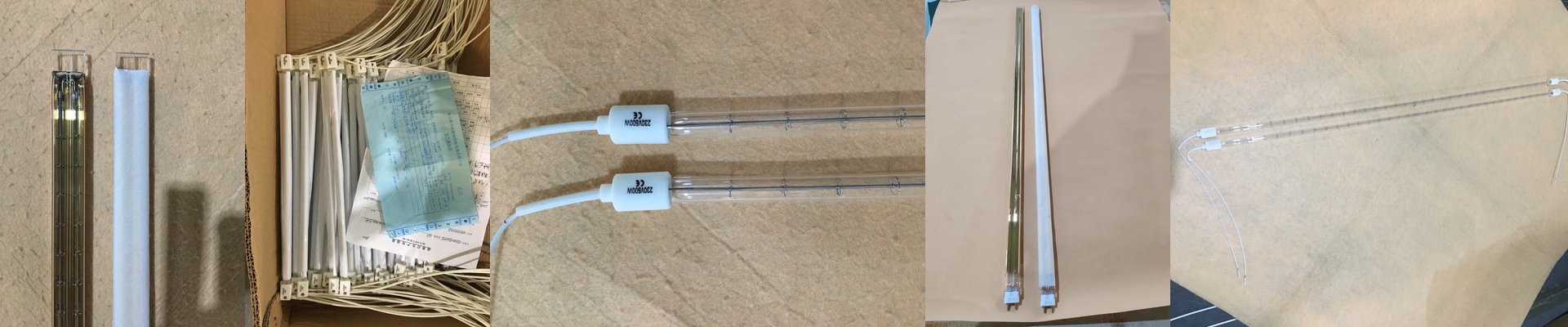
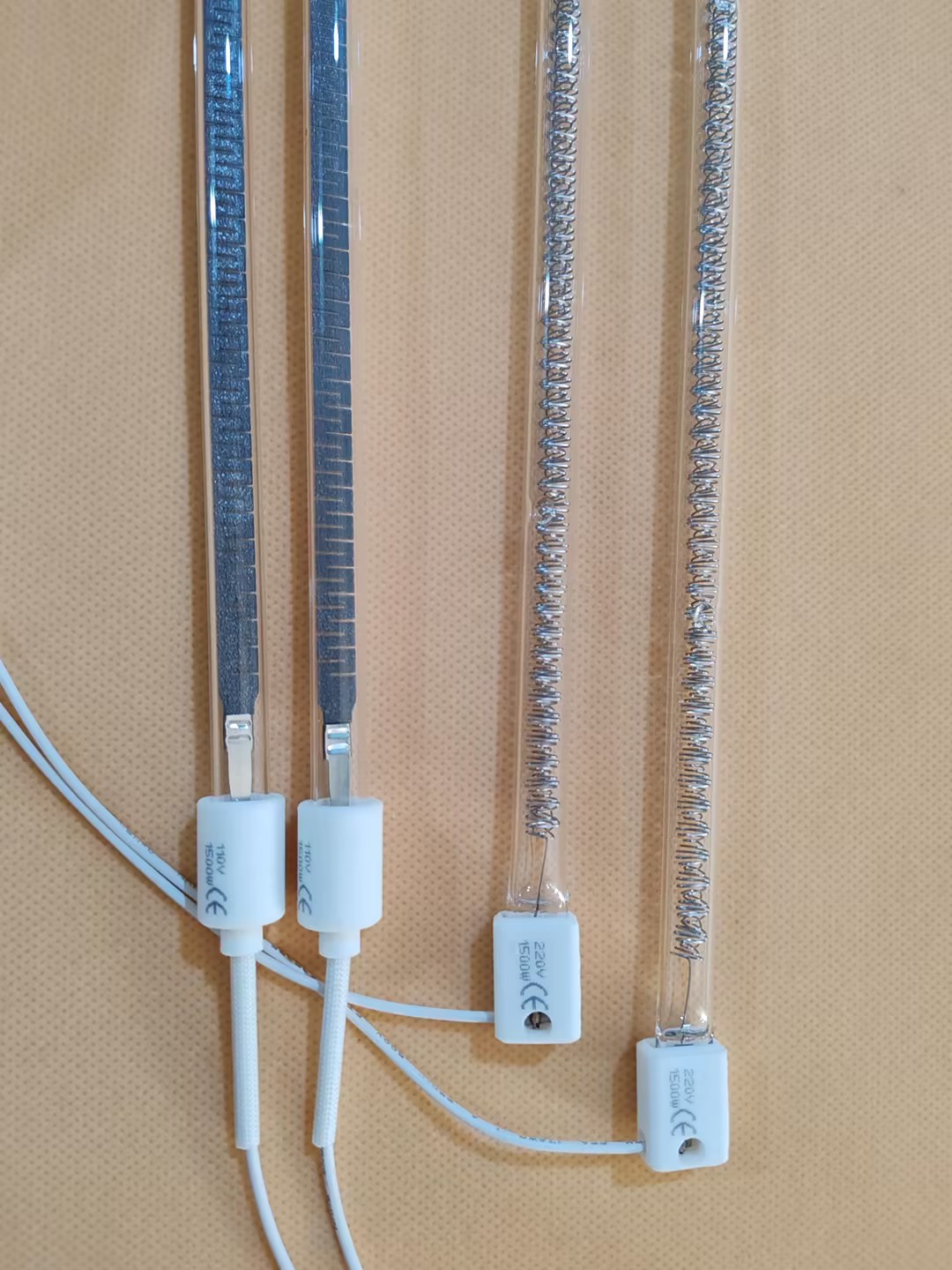
These lamps run on high voltage, often 400V, to pack serious wattage (think 2500W) into a short quartz tube—about 300mm long. That high voltage keeps the current down, which means you can use thinner wires and keep your control panel tidy. The short tube gives you a small, focused hot zone. You can zero in on one part, or a specific spot on a mold. But here’s the catch: that kind of concentrated power demands respect. Your machine needs a well-designed reflector and proper cooling to keep ambient heat in check.
What’s Inside: Halogen, Quartz, and Solid Connections
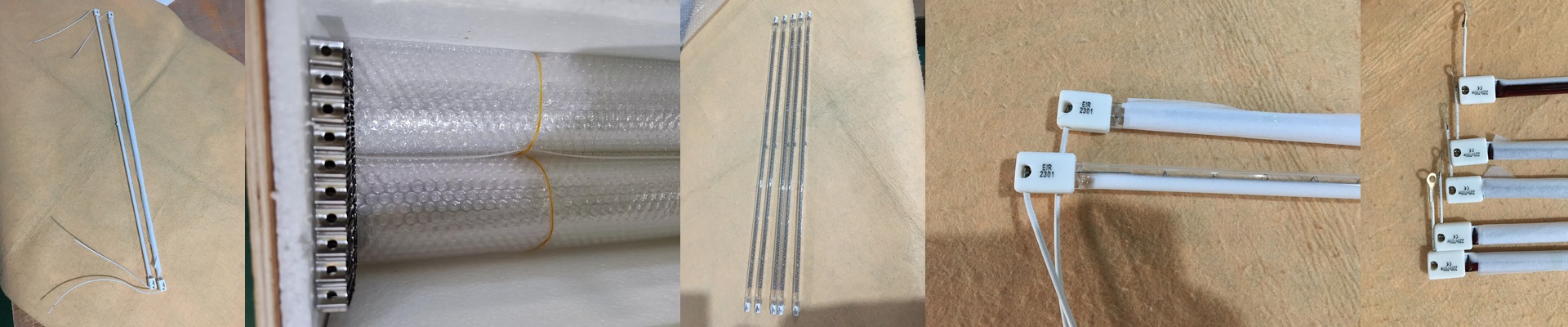
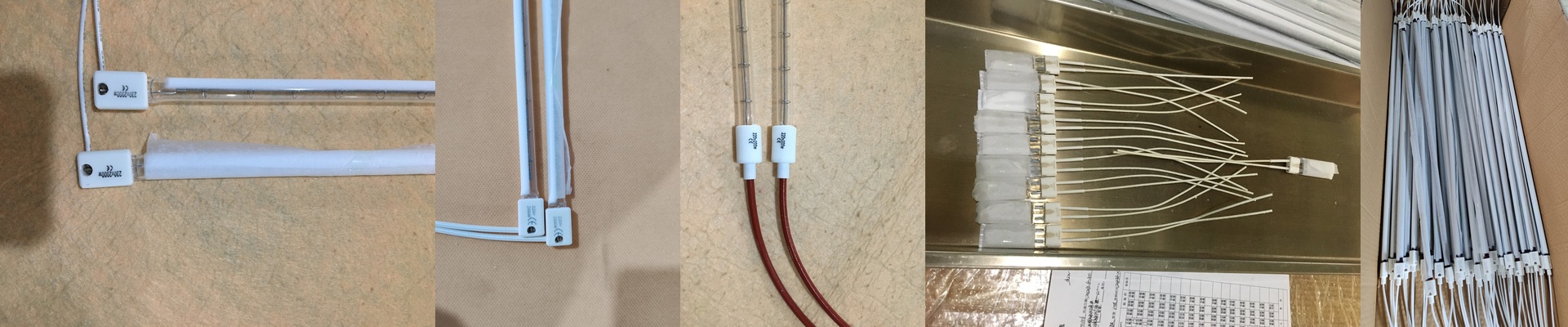
The halogen cycle does the heavy lifting, keeping the quartz envelope clean by returning tungsten back to the filament. That means consistent output over time and a lamp that doesn’t quit early. The quartz tube itself is great at sending out shortwave IR, and the internal reflective coating pushes more energy forward—so you get directional heating that actually hits the mark. For the connections, we use R7s or Sk15 bases. They’re straight-through, secure, and built to handle vibration and the daily push-pull of heating up and cooling down. If your equipment was designed for the same pin spacing and clearance, installation is a straight swap. Just drop it in.
Where This Stuff Shines: Real-World Payoff
These lamps are made for jobs that need rapid surface heating—thermoforming, drying coatings, curing adhesives, pre-heating molds. The energy savings come from speed and focus. You spend less energy heating air, and more energy hitting the target directly. Just be smart about it. Plan for shielding and ventilation. That kind of heat density means you need to control hot spots and keep nearby components safe from radiant heat.