Wholesale Halogen Infrared Lamps: Precision Heat, Built for the Grind
We make halogen infrared lamps for the engineers who need heat on demand—fast, focused, and in a tight space. These aren’t your run-of-the-mill space heaters. They’re tools, pure and simple, built to deliver intense heat right where you point it.
The Nitty-Gritty: Power, Voltage, and the Space You Have
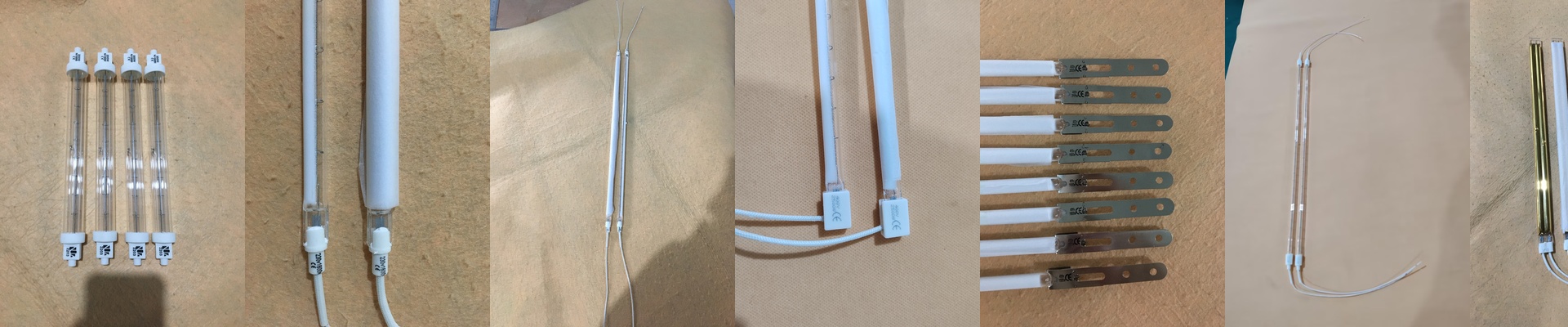
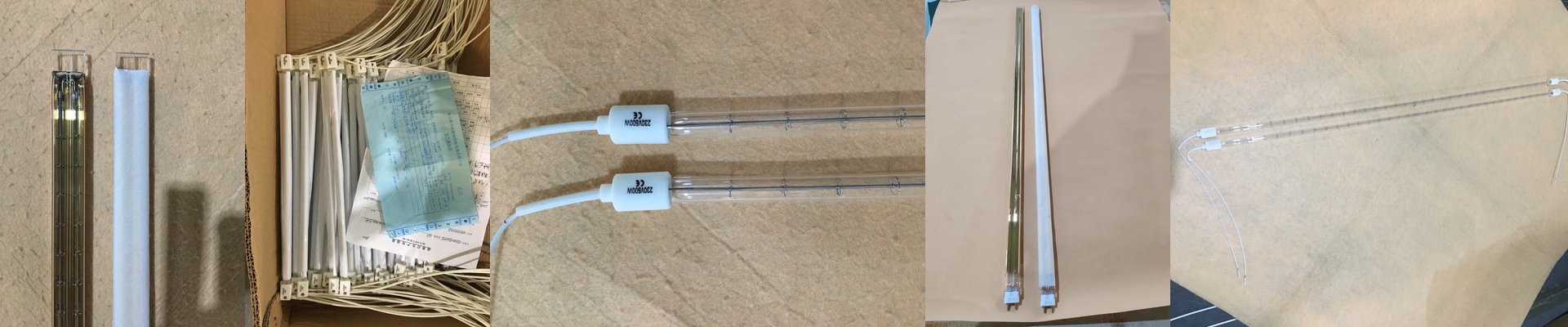
When you’re sizing up a halogen infrared lamp, you’re really looking at three things: wattage, voltage, and the physical footprint. Those three decide how much heat you get and whether it fits your setup. More wattage means more heat. Straightforward. Higher voltage, on the other hand, lets you run the same power through thinner wires. That’s a space-saver. But it also means your control setup has to be just as tough. If your machine already runs at higher voltage, going with a 400V lamp makes sense. You avoid the bulk of step-down transformers and heavy contactors. More room in the cabinet, simpler wiring. But it also means you’re working with high-voltage gear, and you’ve got to treat the whole circuit that way. Then there’s the tube length. A lot of these are around 300mm, and that length defines your heated zone. A shorter tube concentrates all that energy into a smaller spot, which means more heat density and a quicker warm-up. That’s why these lamps shine when you need intense, localized heat, not a broad warm glow.
What’s Inside: The Build That Takes the Heat
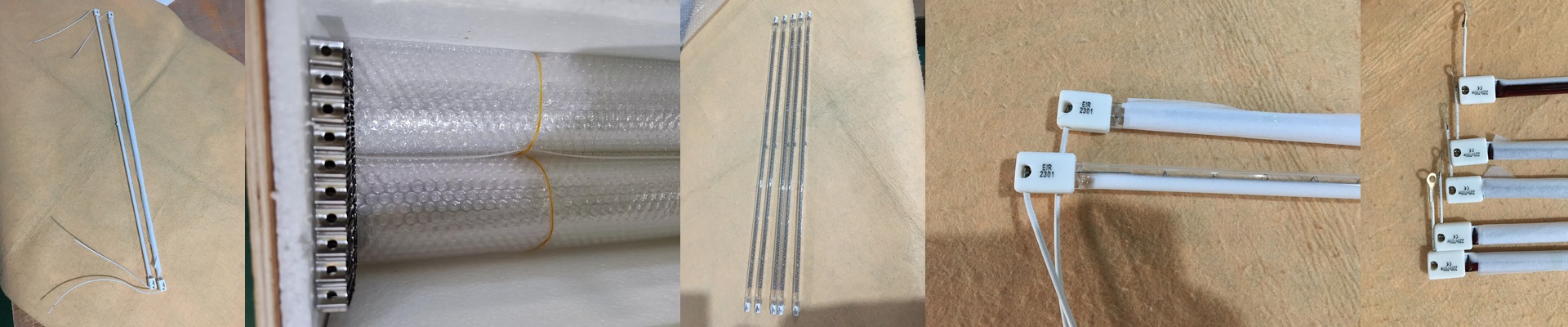
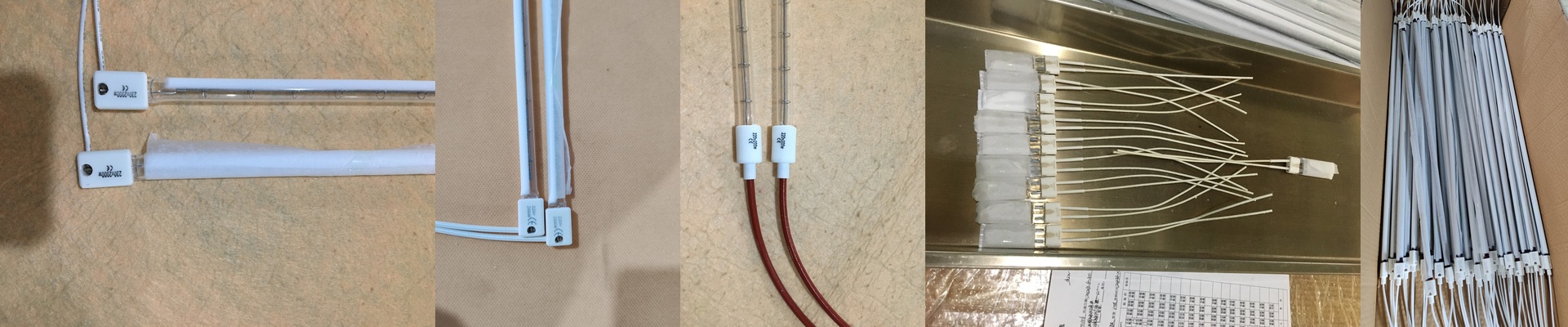
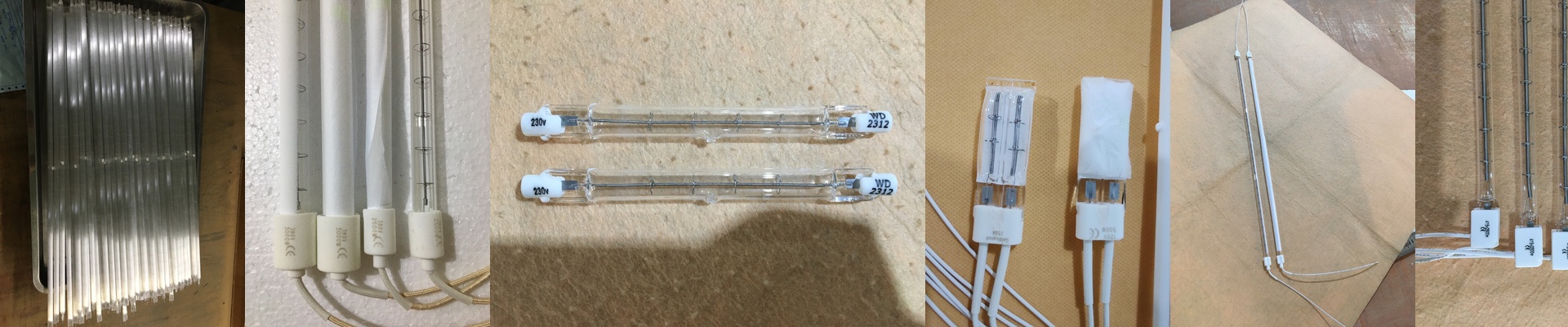
Inside, that filament runs scorching hot—well over 2,000°C. The magic is the halogen cycle, which keeps things stable by putting the evaporated material back onto the filament. The payoff? Consistent output over the life of the lamp, instead of the early burnout you get with standard incandescent bulbs. The tube itself is quartz, and there’s a good reason. It handles the shock of a rapid start-up and stays highly transparent to infrared. Many lamps also have a special coating to shape the spectrum, pushing more energy into the shortwave or near-infrared—right where many industrial materials soak it up best. And don’t overlook the connectors. Out on the shop floor, R7s and Sk15 types are a lifesaver. They lock in securely, stay aligned, and can take the vibration and the wear and tear of regular maintenance. They make swapping out a burnt lamp a simple plug-and-play job. No rewiring. No redesigning the holder.
Where They Shine: Fast, Focused, and Under Control
These lamps are the go-to when you need heat applied quickly, precisely, and again and again. Think PET blowing, plastic welding, curing adhesives, or drying components. The big win is control. You get a lightning-fast response, a tight focus, and a small thermal footprint. But here’s the catch. All that power comes in a small space. A 2500W lamp throws off serious heat up close. That means your surrounding components and the machine’s cooling system have to be up to the task. If the cooling can’t keep pace, the lamp and nearby parts will run hotter than they should. So plan your airflow and mounting spacing with the same care you put into the power setup.