Power and Purpose: Why These Heat Lamps Get the Job Done
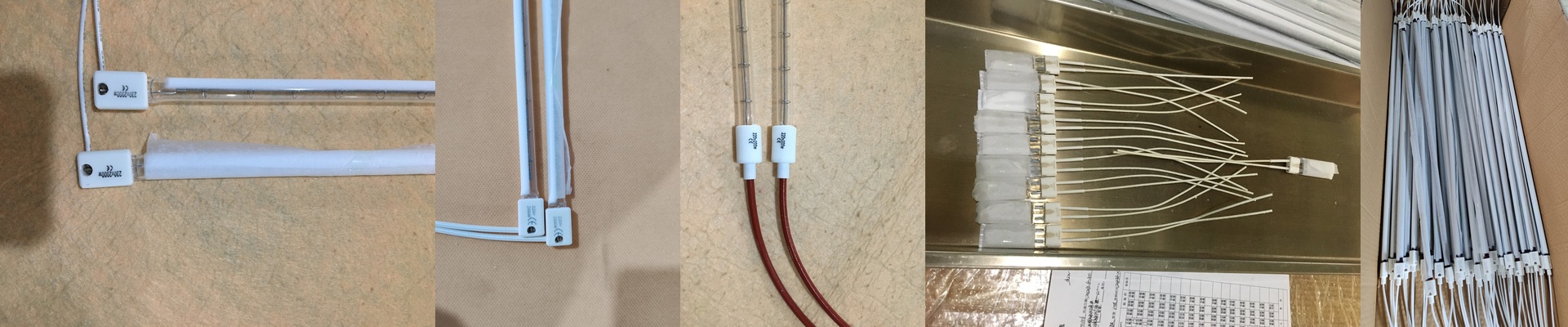
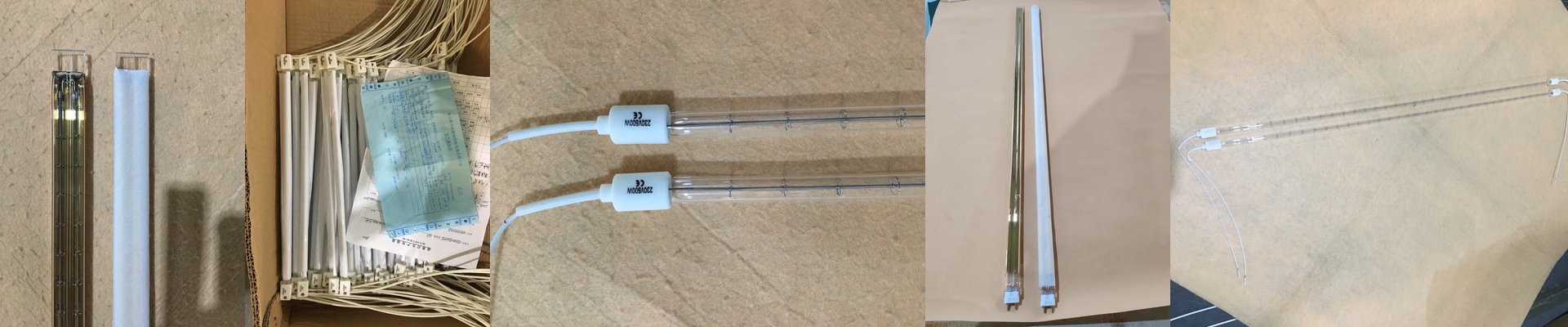
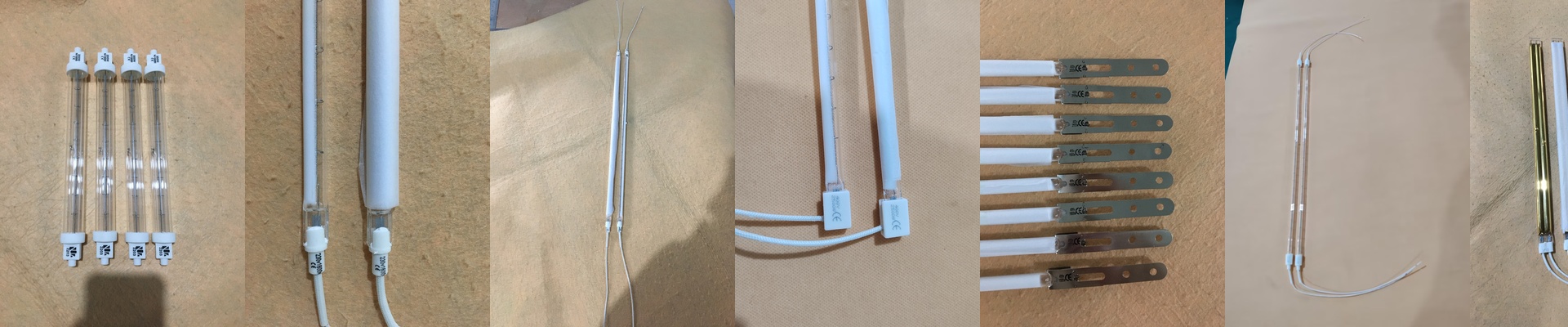
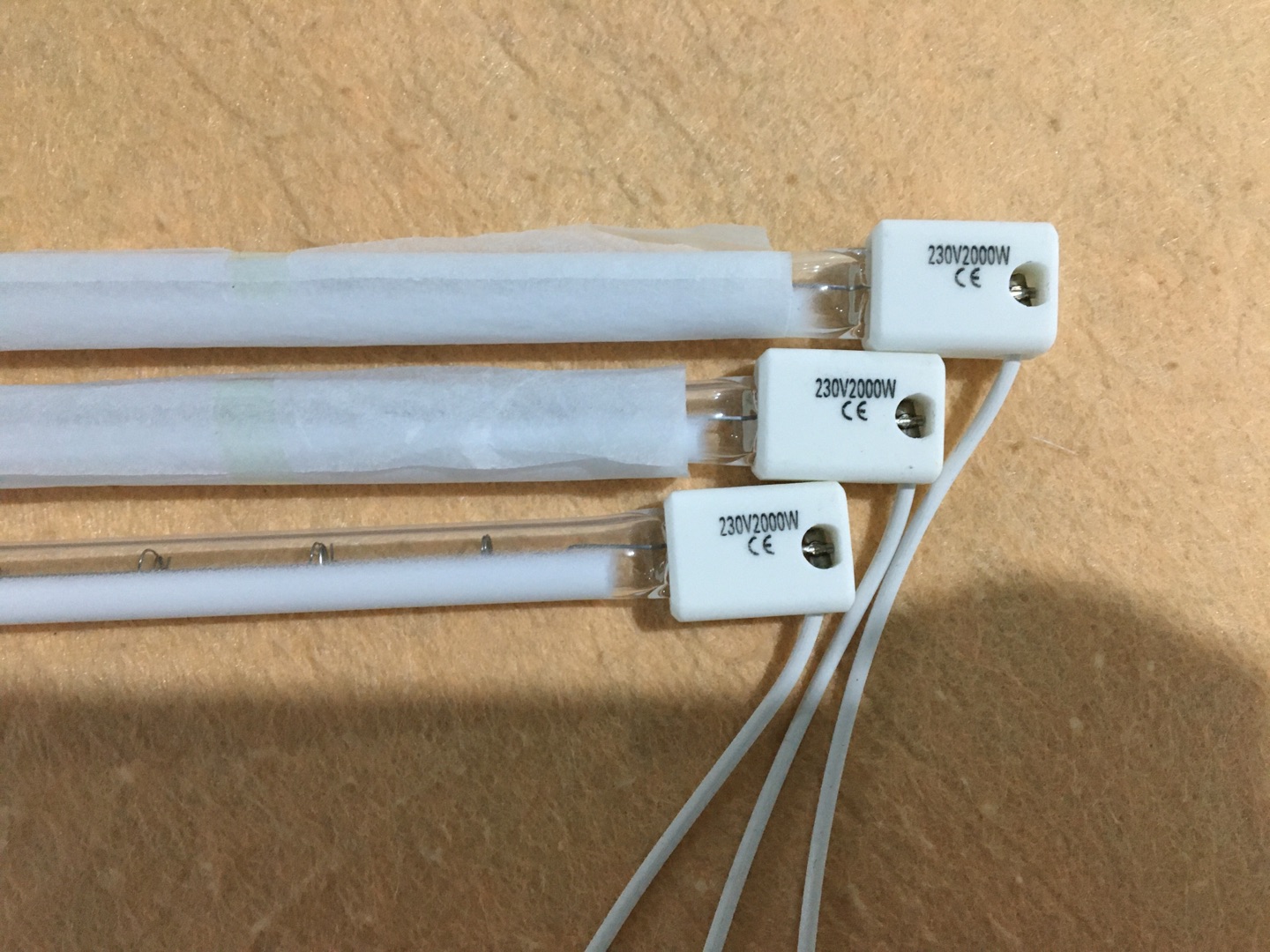
We built these halogen heat lamps for one reason: industrial heating and IR curing that demands fast, focused heat. No ifs, ands, or buts. You’ve got two power options—1000W and 2000W—chosen to pack serious radiant punch without taking up a ton of space. The result? A compact tube that delivers the heat you need, so you can fit more power into a smaller machine footprint. Wattage directly shapes how quickly you ramp up and how hot the surface stays once you level out. The 2000W lamp runs hotter and hits the mark faster than the 1000W. When your cycle time is measured in seconds, that difference matters. Pick the wattage that matches your load and you avoid the headache of underheating. Just remember: more power means your cooling and wiring have to be up to the task.
What’s Inside: The Design That Stays Reliable
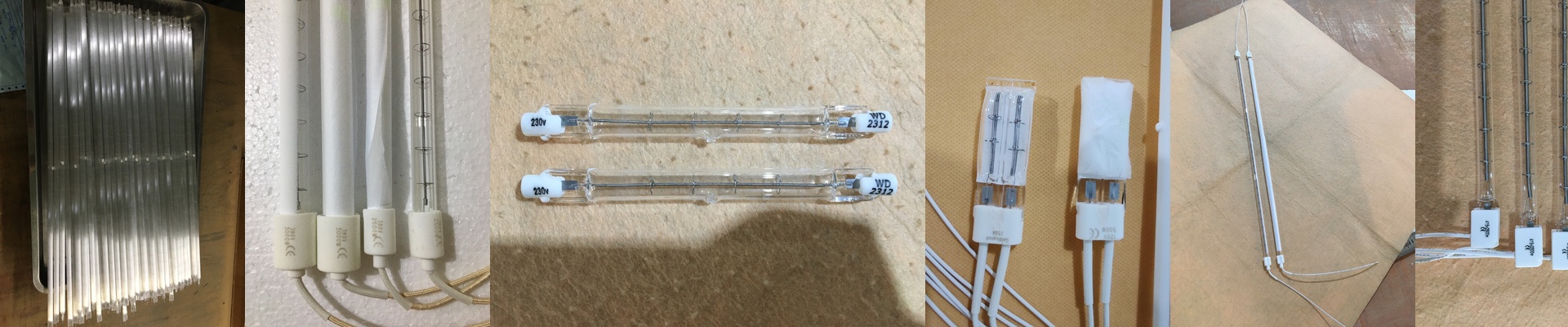
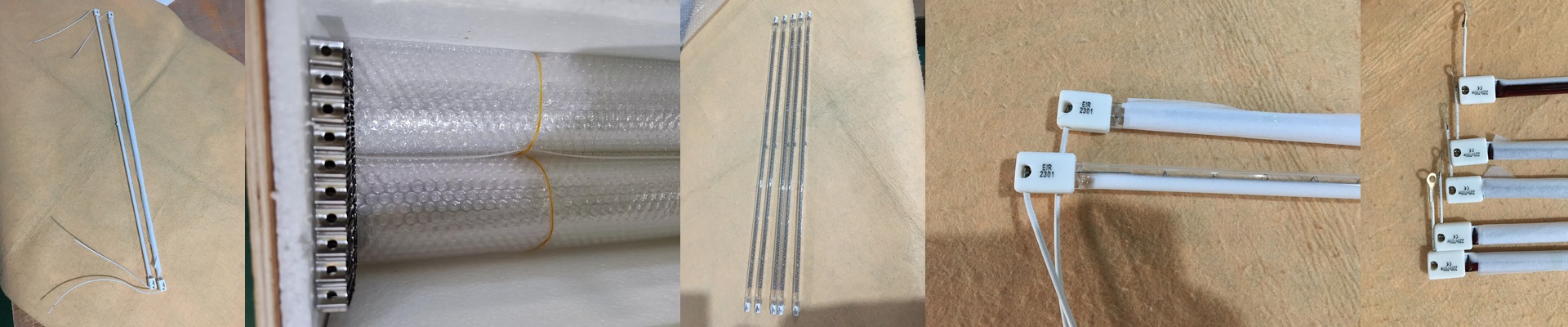
These are shortwave infrared emitters, built around a quartz envelope and a halogen cycle that keeps the filament steady even at extreme temps. The halogen action prevents blackening, so light and heat stay consistent over the life of the lamp. In practice, that means your process stays repeatable, day after day. You can choose 1000W or 2000W, so you’re not over-building the power supply. And because the quartz envelope handles rapid thermal shock, you can switch the lamp on and off often without worrying about cracks—as long as it’s mounted and cooled properly.
Getting It Installed: Simple, Secure, Ready to Run
These linear halogen lamps use the standard R7s connector. It gives you solid, two-point contact and handles the current draw at these wattages without creating hot spots. Installation is straightforward: slide the lamp in, lock it down, and you’ve got a dependable electrical connection. Since these lamps deliver concentrated infrared energy, reflectors are usually the move. They direct the heat exactly where you want it—onto the part, not onto the machine frame. That focus boosts efficiency and cuts down on wasted heat in the work area.
Real-World Performance: Speed, Power, and Practical Trade-offs
On IR curing lines, these lamps deliver rapid, even heating that keeps throughput moving. The trade-off is heat density: the higher the wattage, the more you need to manage heat around the surrounding components. Plan your airflow and thermal shielding with that in mind. For engineers, the appeal is pretty straightforward: a compact, high-output halogen heat lamp you can spec at 1000W or 2000W, wire easily with R7s, and integrate into curing and heating systems with predictable thermal behavior.