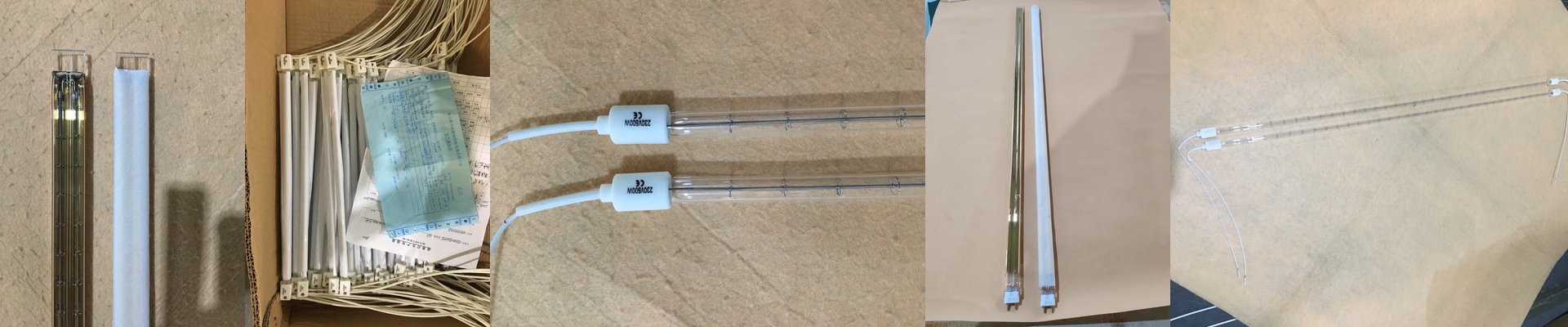
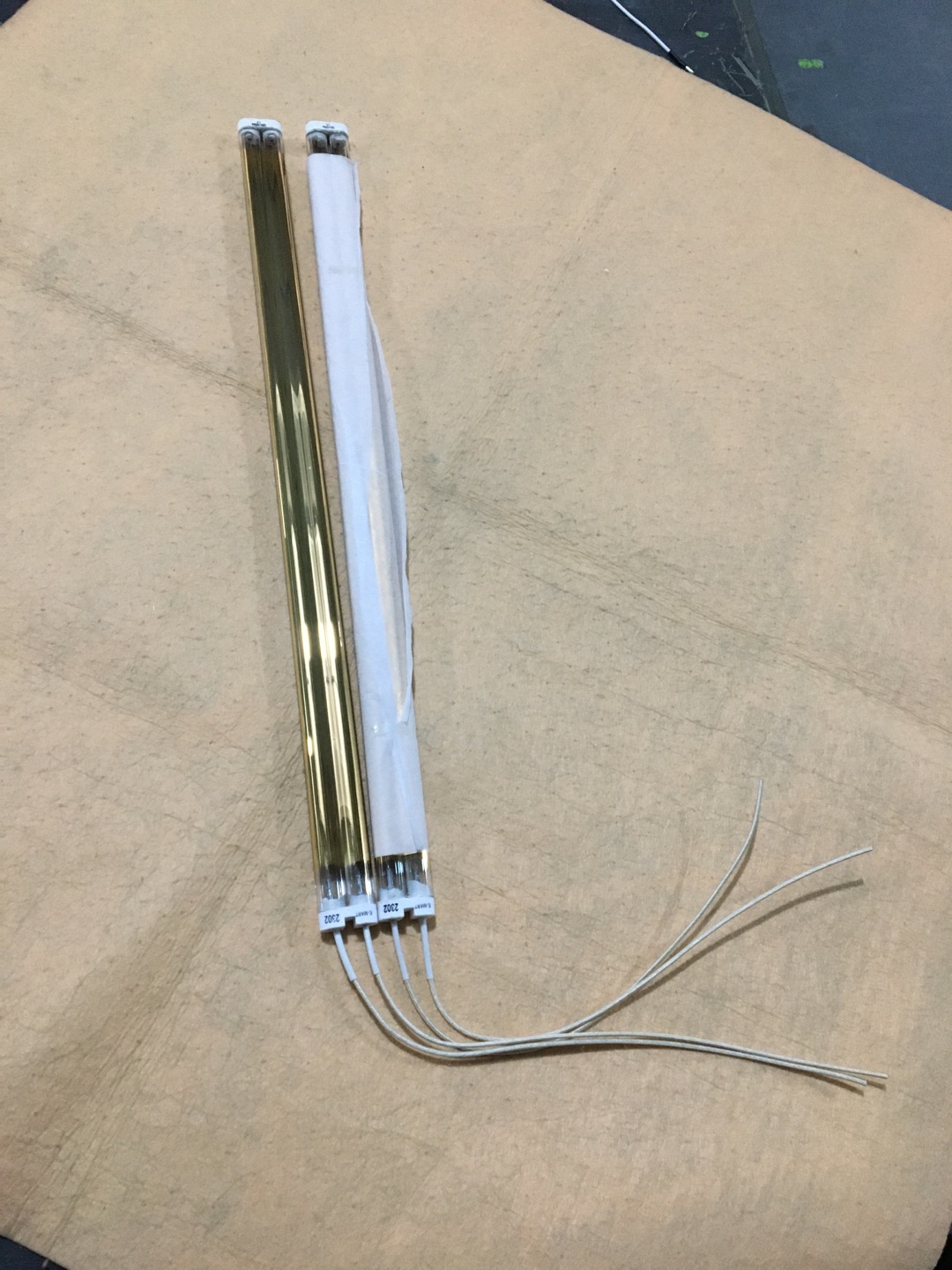
Let’s Talk About High-Efficiency Infrared Halogen Lamps
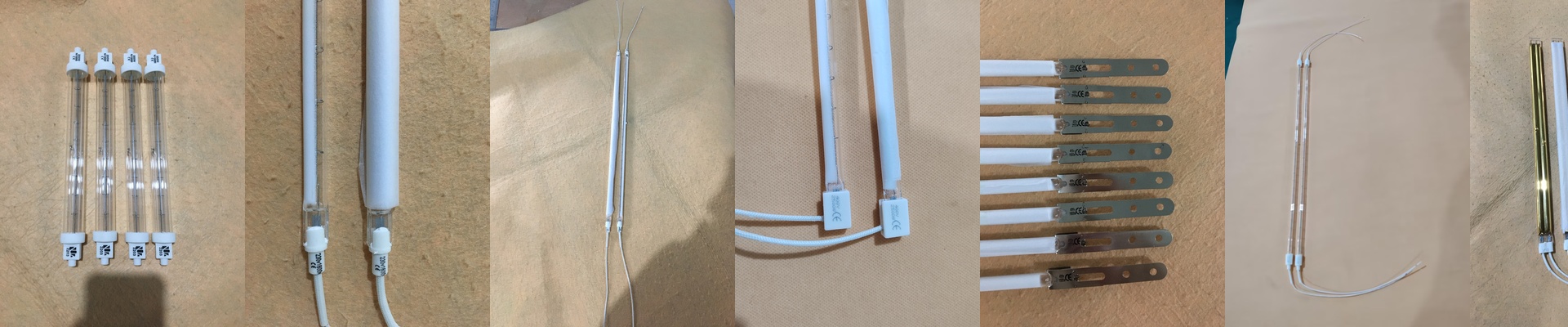
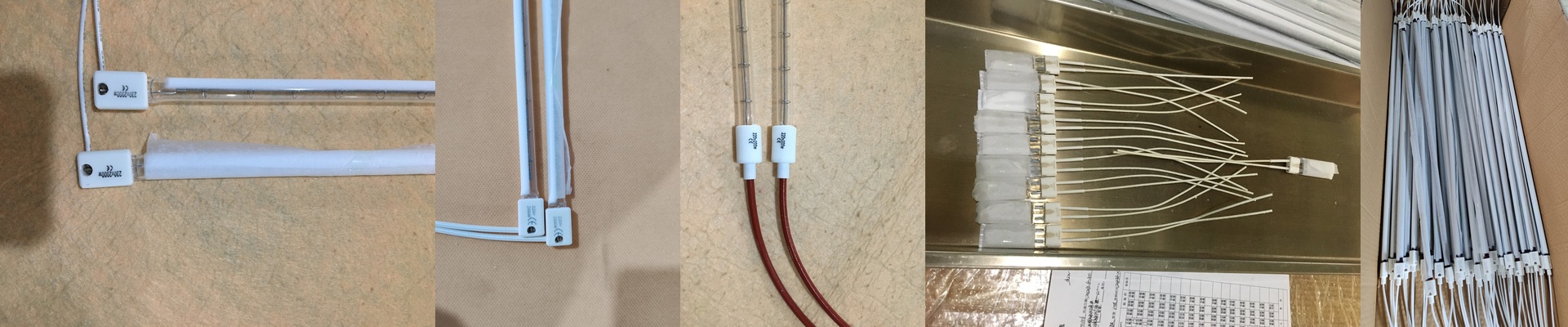
If you’ve ever dealt with slow heaters that just warm up the air without actually hitting your target, you know how frustrating that is. That’s why we build our halogen infrared lamps the way we do. We use a tungsten filament tucked inside a quartz tube and fill the whole thing with halogen gas. Here is the secret: that gas creates a little loop that keeps the filament from burning out too fast. Because of that, we can crank up the heat and wattage way higher than a standard heater could ever handle. It’s powerful.Really powerful.
Getting the Power Right
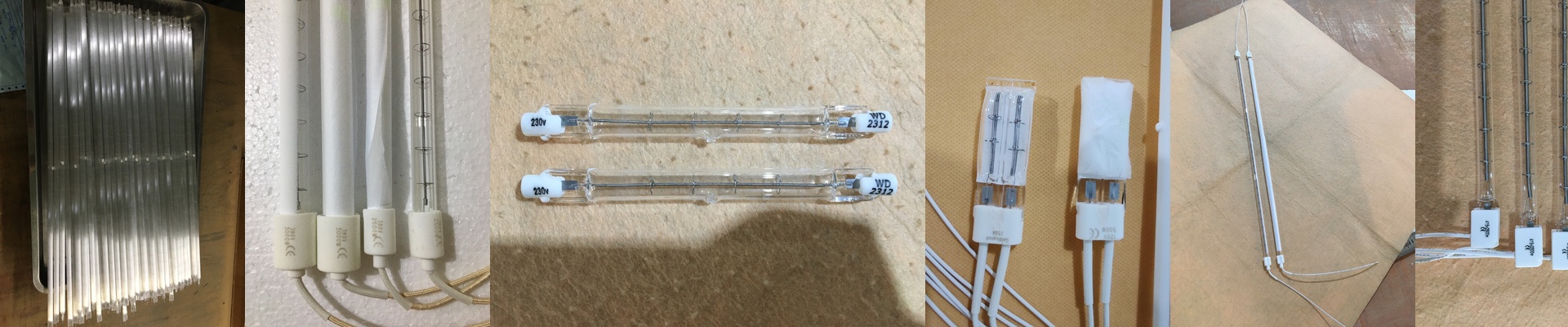
When you’re picking out a lamp, it mostly comes down to voltage and wattage. That’s what controls your heat flux. If you need a longer tube—say, 300mm or more—higher voltage helps keep the temperature steady from one end to the other. And if you want things to heat up instantly, you’ll want a higher wattage-to-length ratio. But a word of caution here. High-density tubes put a lot of pressure on your power supply. If you push the wattage too far, you might find yourself tripping breakers. Just make sure your wiring and panels can handle that initial surge.
The Build: Quartz and Connectors
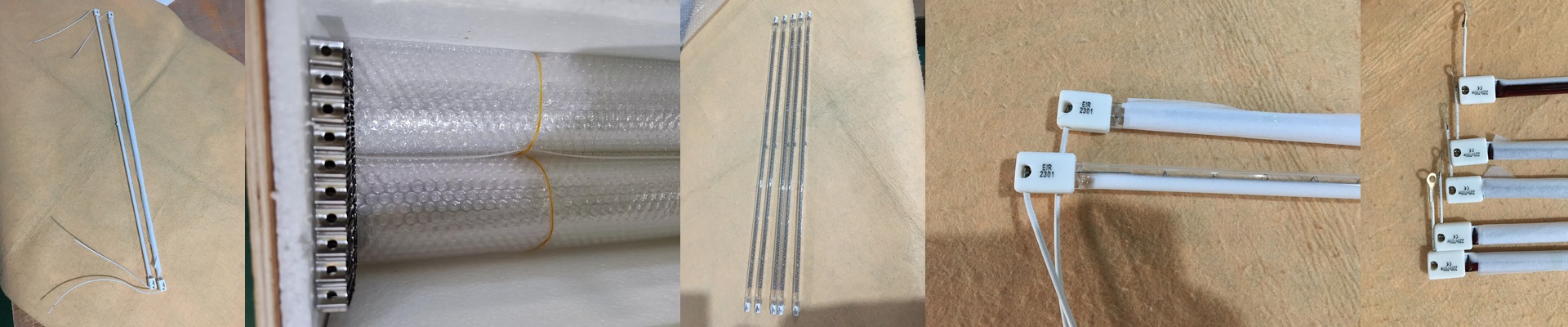
We stick with high-purity quartz for the envelope. Why? Because it lets that shortwave IR radiation slide right through without losing energy. Sometimes, depending on what you’re working on, we can add a coating to shift the heat spectrum or just keep gunk and debris off the glass. For the connections, we usually go with R7s or Sk15 bases. They’re simple drop-in replacements for most industrial setups. One tip: make sure the fit is tight. A loose connection creates a hot spot, and before you know it, you’ve melted your socket. Not a great way to start the morning.
Real-World Use (and the Trade-offs)
You’ll see these lamps all over the place for PET blowing and curing plastics. They’re great because they hit the material immediately. No wasted time, no heating the whole room—just direct, intense heat. But that intensity is a double-edged sword. Shortwave IR is aggressive. If your conveyor belt is moving too slowly, you’ll scorch your material in seconds. To keep things from going south, you’ll want a solid PID controller. It keeps the process stable so you get a perfect finish every time without the guesswork.