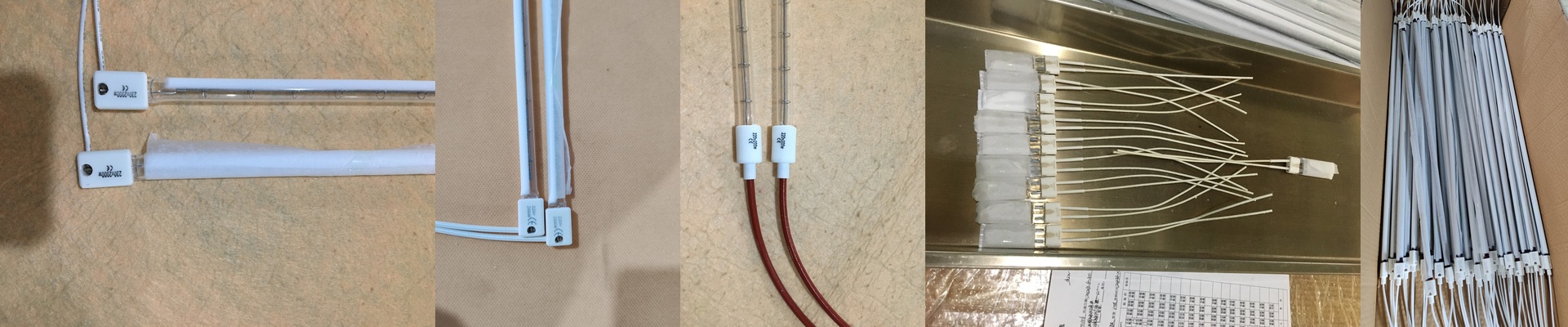
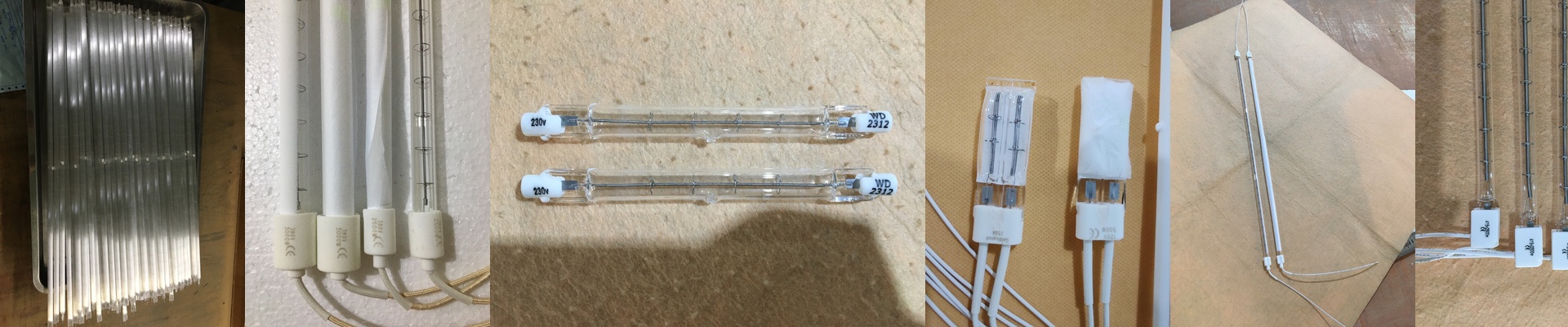
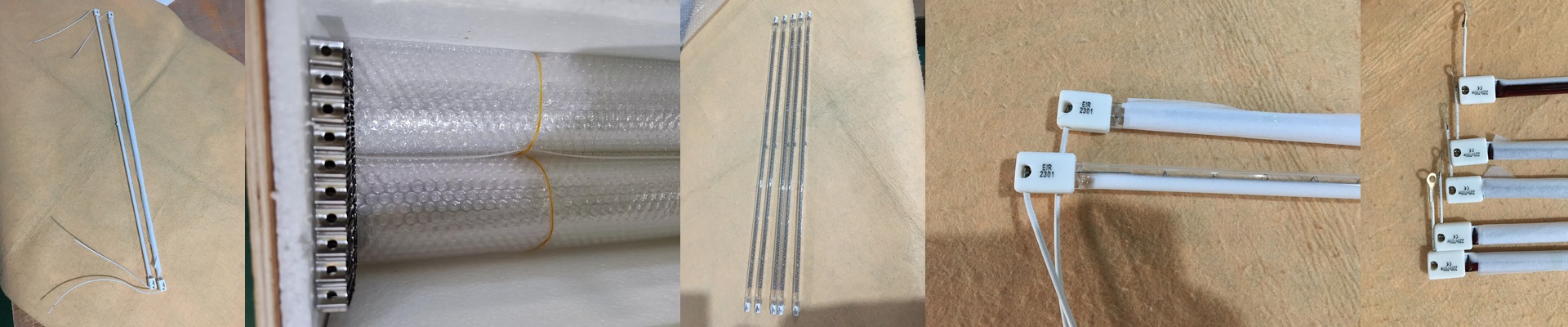
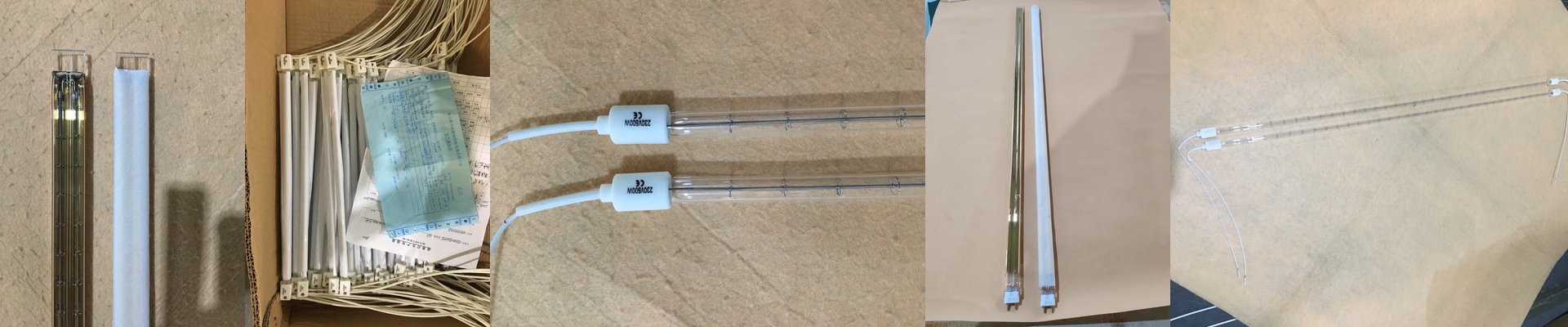
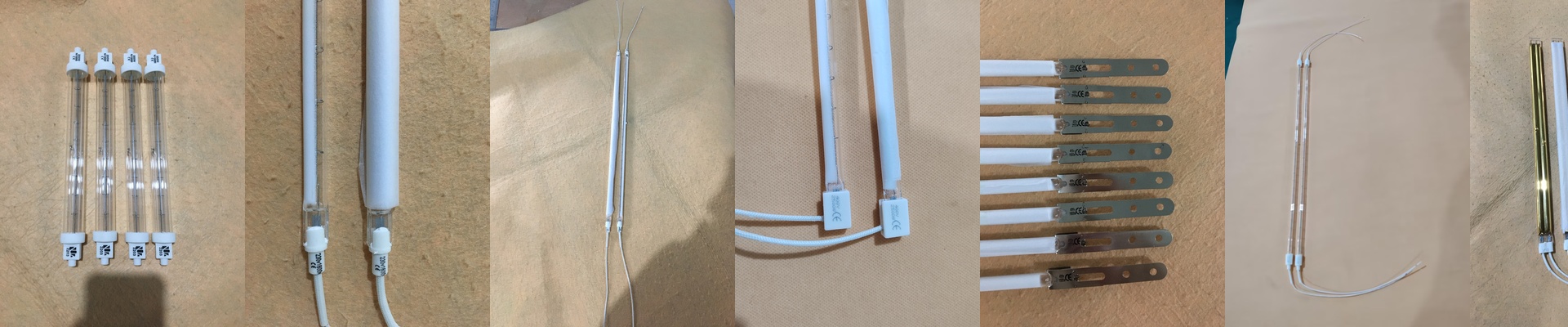
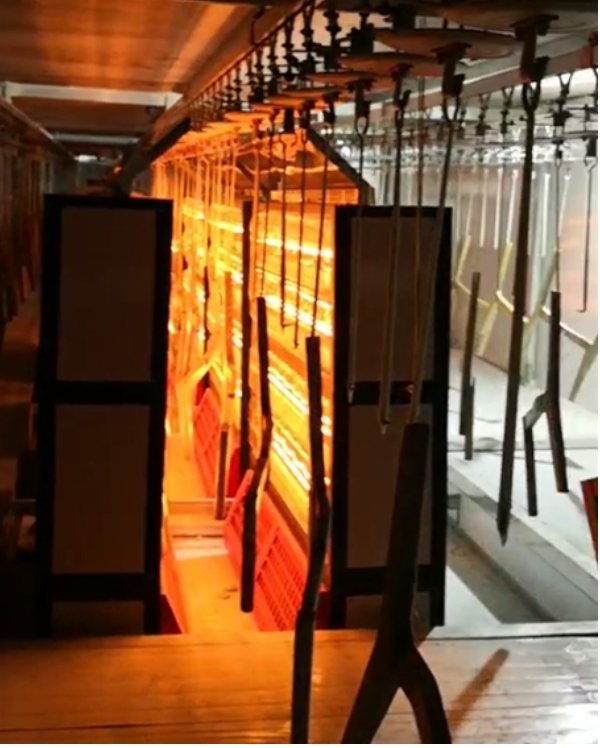
When you’re running a high-volume coating line, swapping out your factory infrared heaters for domestic ones isn’t usually about saving a few bucks. It’s about survival. You need a part that just works without crashing your entire line. Nobody wants to spend a weekend rewiring a control cabinet just because a new heater didn’t fit the electrical specs. You’re looking for a drop-in replacement. Period. Here is the tricky part: powder coating is picky. If your temperatures don’t ramp up exactly right, the polymer won’t cross-link, and your finish is ruined. That’s why we obsess over the watt-density of the quartz elements. If the lamp length or voltage is off—even by a little—you’ll start seeing cold spots on your chassis. We stick to the exact ohms and voltage (usually 220V or 380V) to keep the heat steady. You can’t just “ballpark” these numbers. If you do, those filaments will burn out way faster than they should. Most of these high-end setups rely on short-wave infrared to punch through the coating layer quickly. To make that happen, we use high-purity quartz glass. But don’t forget about the reflector. It’s the unsung hero here. If you pair a great heater with a cheap, low-grade reflector, you’re basically throwing 20% of your heat at the oven walls instead of the part you’re actually trying to cure. It’s a waste of energy and time. Now, going domestic has its perks. You get your parts faster and you aren’t waiting weeks for a shipment from overseas. But there’s a catch. You have to watch the end-cap seals. In a shop full of chemicals and overspray, a leaky seal is a death sentence for a filament. If grime seeps in, your heater is toast in a few weeks. My advice? Keep a strict cleaning schedule for those tubes. It keeps the output high and saves you from a midnight emergency replacement.