Stopping the Guesswork in Powder Coating Ovens
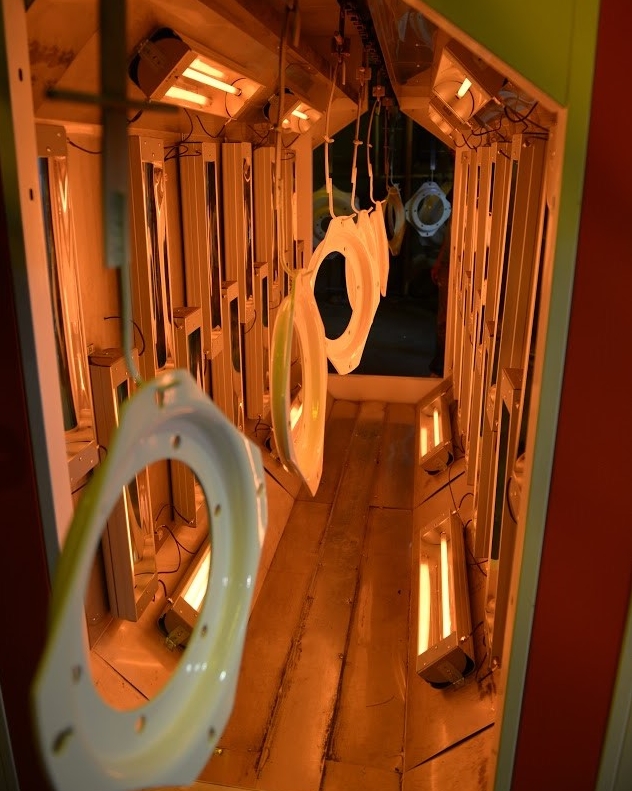
Let’s be honest: getting the heat right in a powder coating tunnel is usually just a fancy way of saying “trial and error.” You build the line, push some parts through, and then—surprise—you’ve got cold spots in the corners or scorched edges on the trim. It’s frustrating, and it wastes a lot of time. We use digital twin simulation to kill that cycle. Basically, we build a virtual version of your oven before a single heater is even wired up. We figure out the thermal headaches in the software so you don’t have to deal with them on the shop floor. It’s all about where the heat actually lands. A tunnel oven isn’t just about how much power you’re pumping in. It’s about the path the heat takes. We map out the heater positions and airflow in 3D to see how the heat actually hits your parts. If your parts have deep recesses or weird thicknesses, the simulation flags the “under-cure” zones immediately. We can tweak the heater angles and spacing on a screen in seconds. That’s a lot easier than dragging heavy hardware across a concrete floor because the first layout didn’t work. Nailing the cure cycle The goal is simple: every inch of the surface needs to cure perfectly. We run simulations on the ramp-up time and the soak period based on the actual wattage and density of the heaters. This lets us spec out exactly how many heating elements you need. No more over-engineering the system “just to be safe,” which saves you money and energy. The reality check Now, this isn’t magic. A digital twin is only as smart as the data we give it. If your shop temperature swings by 10 degrees or your conveyor belt starts to drift, the real world is going to look a little different than the model. You’ll still need to calibrate your sensors and fine-tune the PID controllers once the line is humming. But here’s the big win: starting with a simulated layout usually cuts your commissioning time in half. You start the process already 90% of the way to a perfect cure.