Let’s Talk About Half-White Halogen Heaters
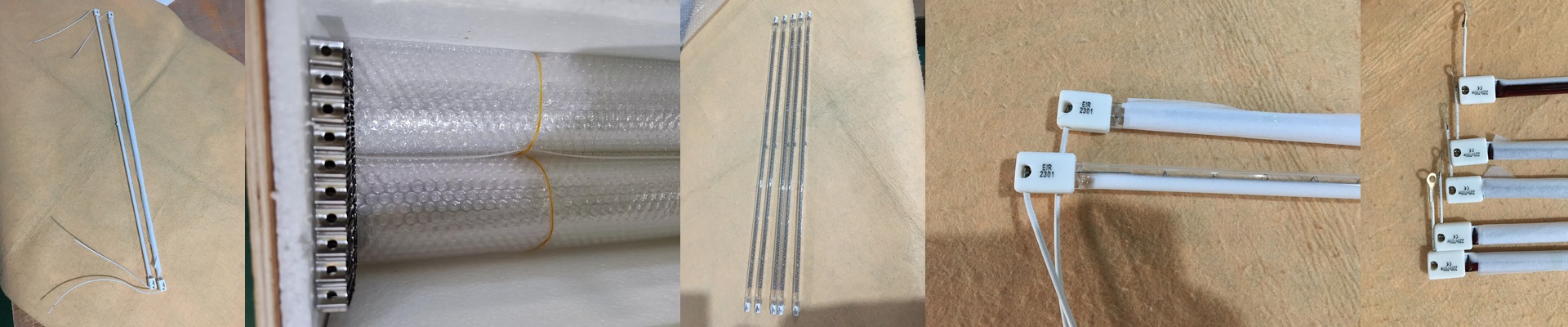
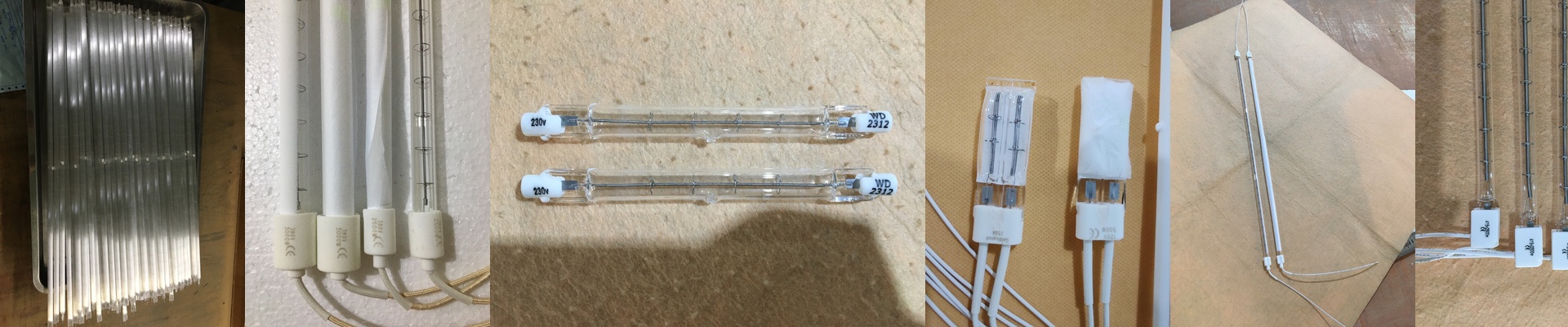
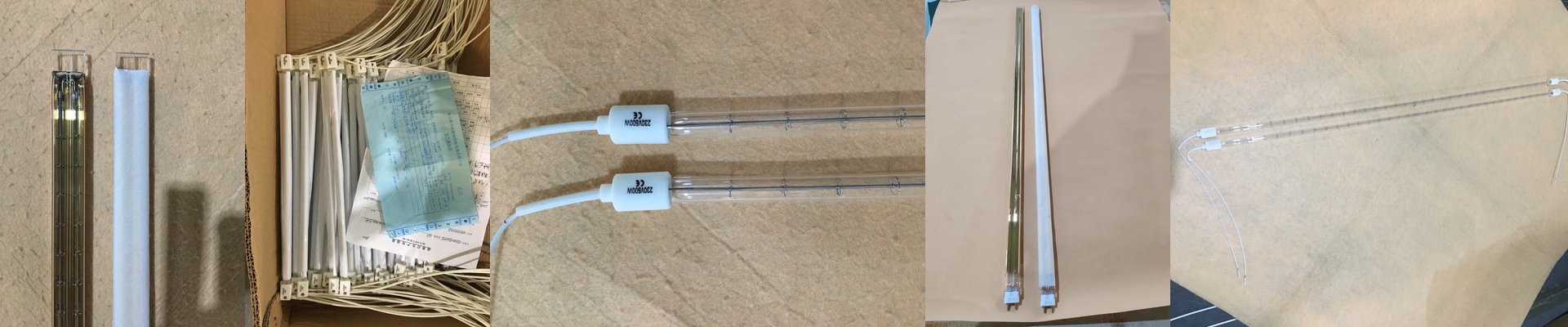
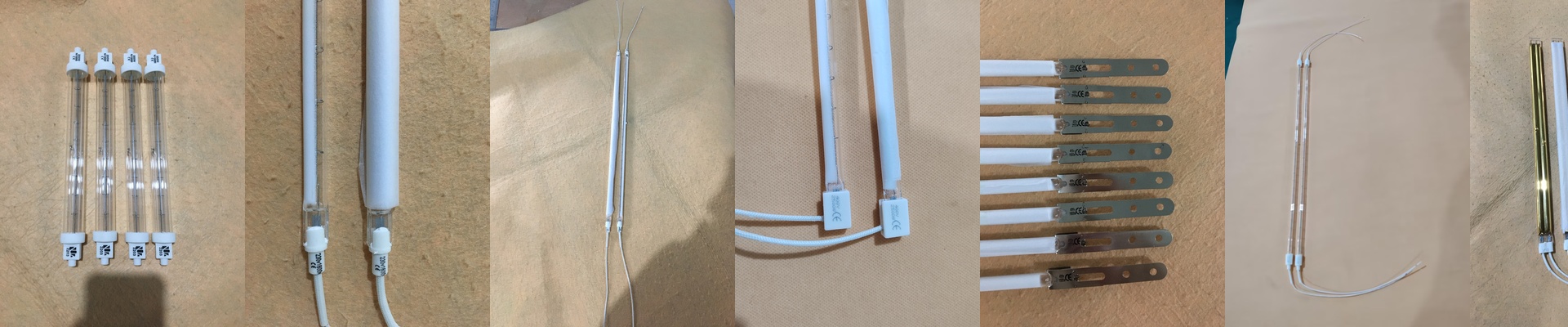
Ever wonder why some halogen lamps have that white coating on just one side? It’s not for looks. It’s actually a clever bit of engineering to make sure your heat goes exactly where you want it, and nowhere else. Think of it as a mirror for heat. The clear side lets the energy fly right through, but the white ceramic side bounces it back.
The Nitty-Gritty
Inside, you’ve got a tungsten filament tucked into high-purity quartz. When you’re picking one out, keep an eye on the wattage and voltage. Here’s the thing: if you’re using longer tubes, you need a voltage that can handle the distance. If you don’t, you’ll end up with “cold spots.” And in a production run, a cold spot is basically a recipe for wasted material and a huge headache.
Why the Coating Actually Matters
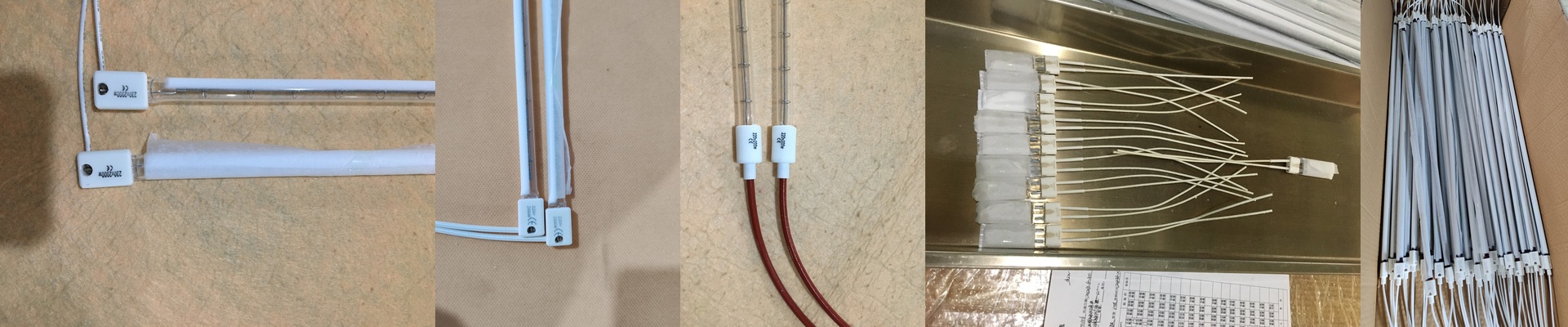
The white side acts like a shield. It forces the infrared energy to shoot out from one side of the tube. This is a lifesaver if you’re heating something sensitive, like a PET preform or a thin plastic sheet. Without that coating, the heat would just bleed everywhere—frying your sensors or overheating the machine frame. As for the plugs, we usually stick with R7s or Sk15 connectors. They just work. They snap in tight and won’t shake loose, even when your machines are humming along at full speed.
Making it Work in the Real World
You’ll see these a lot in shrink-wrapping lines or PET blowing. The real trick is mixing and matching. By tossing a few clear lamps and a few coated ones into the same oven, you can basically “draw” a heat map that fits the shape of your product perfectly. One quick heads-up: that white coating does add a bit of thermal resistance. It means the lamp takes a tiny bit longer to warm up than a fully clear one. You’ll just need to tweak your PID controllers to handle that slight lag. If you don’t, you might overshoot your target temperature, and nobody wants that.