Getting the Most Out of Halogen IR Panels
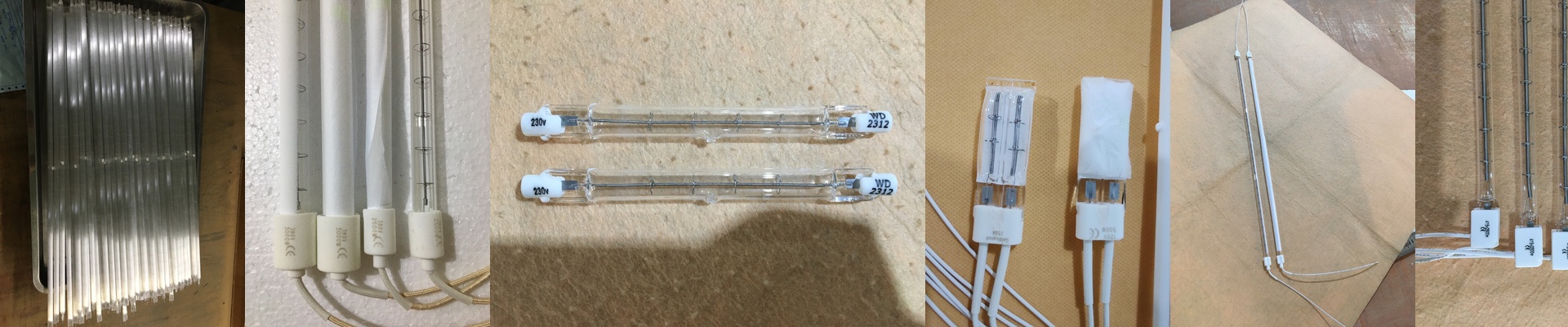
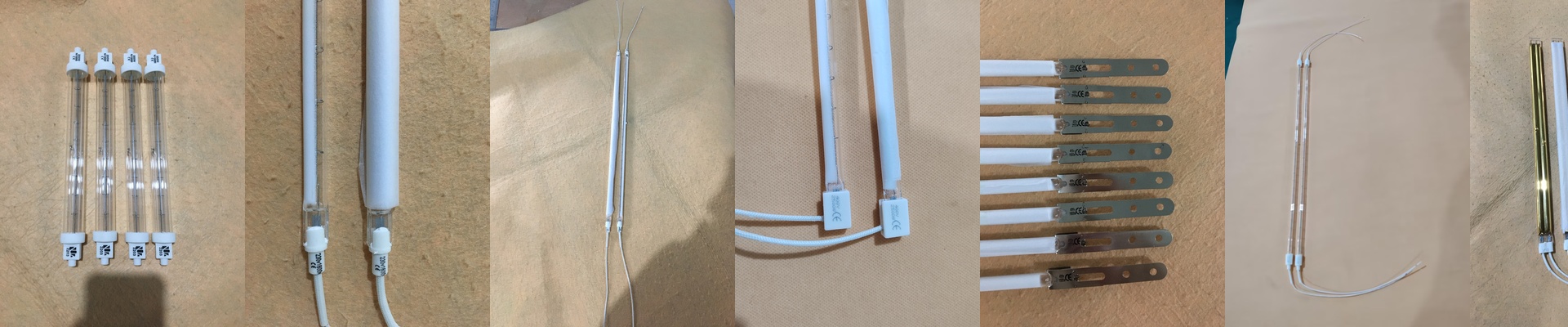
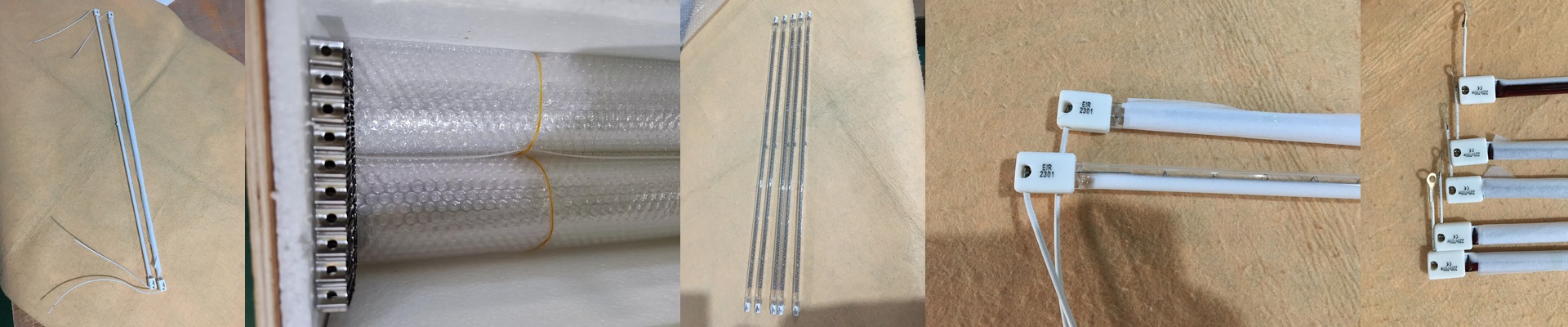
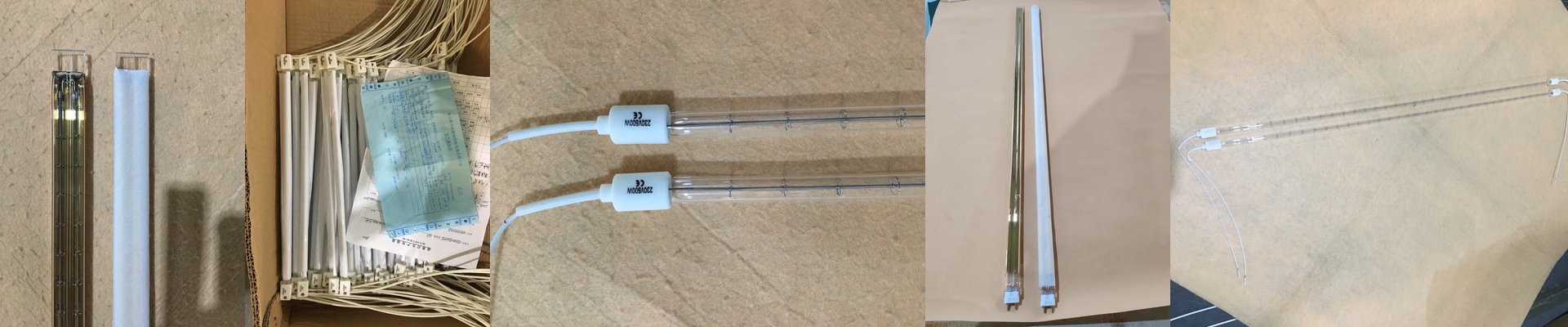
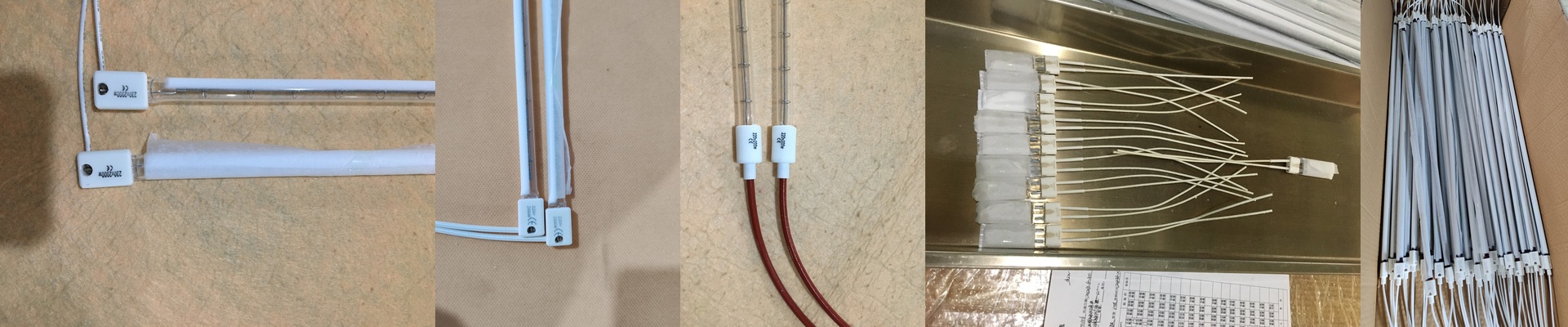
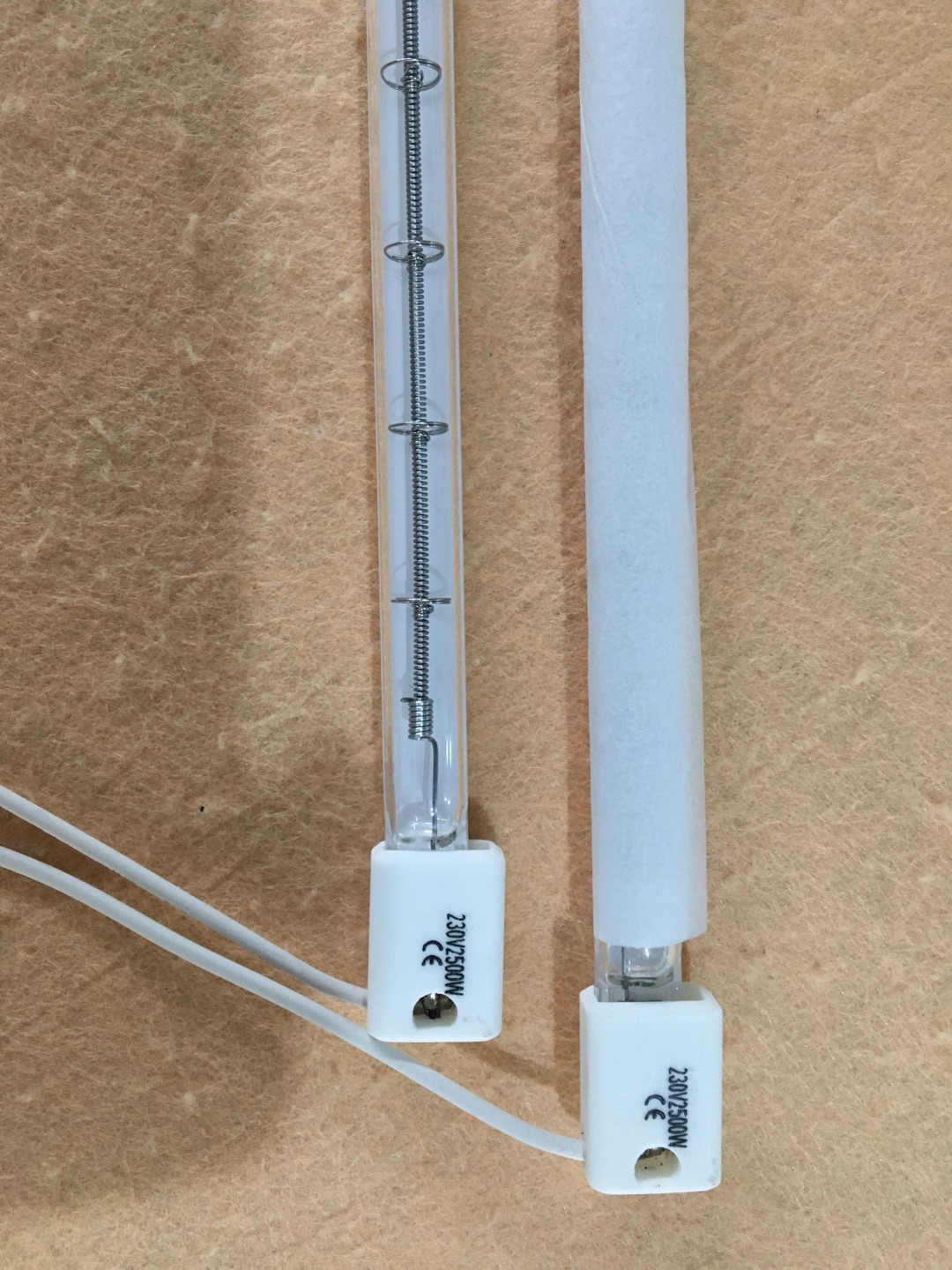
If you’re still relying on convection heaters, you’re basically paying to heat the air in your shop—which is a total waste. Halogen IR panels are different. They shoot shortwave radiation straight into your workpiece. We build these with tungsten filaments tucked inside quartz envelopes filled with halogen gas. It sounds technical, but all it really means is that these things can run way hotter than your average IR lamp without burning out. Let’s talk power. Depending on your grid, you’ll see different voltage and wattage options. If you need fast cycle times, you want the high-wattage tubes—they pack a serious punch. Here’s a pro tip: going with high-voltage setups lets us wire more elements into one circuit. It keeps your current draw low so you aren’t constantly tripping breakers. But there’s a catch. Because these get so hot, you’ve got to keep those reflectors spotless. A little bit of dust on the mirror creates hot spots, and that’s the fastest way to kill a tube. The nitty-gritty on build quality We use high-purity quartz because it doesn’t freak out when the temperature swings wildly. It handles thermal shock far better than standard glass. Depending on your setup, you’ll likely be using R7s or Sk15 connectors. They’re designed to be drop-in replacements, so you won’t have to rebuild your whole rig just to swap a panel. You might see some panels with special coatings. These shift the emission spectrum to help certain plastics absorb heat better. Just keep in mind that you’re trading a bit of raw power for that targeted absorption. Making it work in the real world These are perfect for PET blowing, drying lines, or curing ovens. The best part? They’re instant. You flip the switch, and the heat is there, responding immediately to your PID controllers. To get the best results, make sure your lamp length matches your heating zone exactly. If the tube is too short for the reflector, you’re just leaking energy out the sides. And one last thing: check your cooling fans. You need enough airflow around the wiring terminals, or you’ll end up with melted insulation. Not a great look.