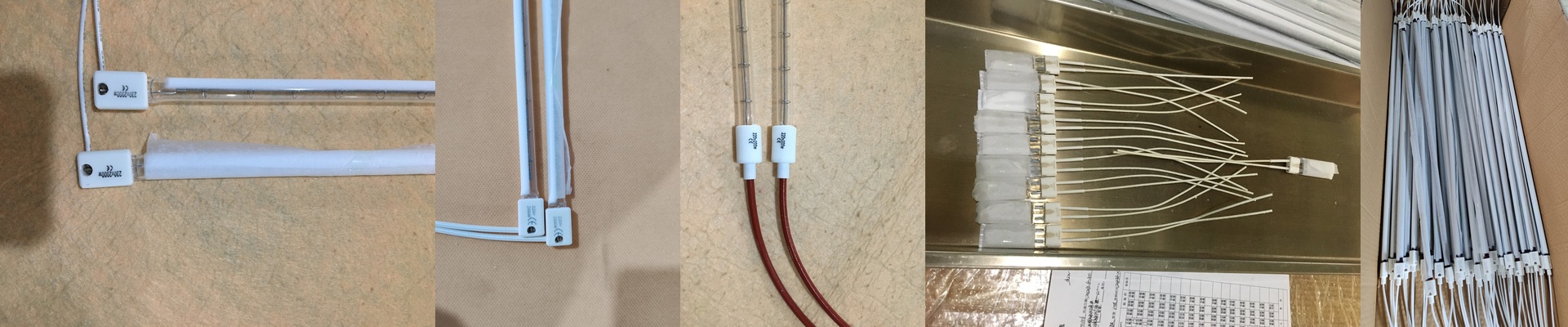
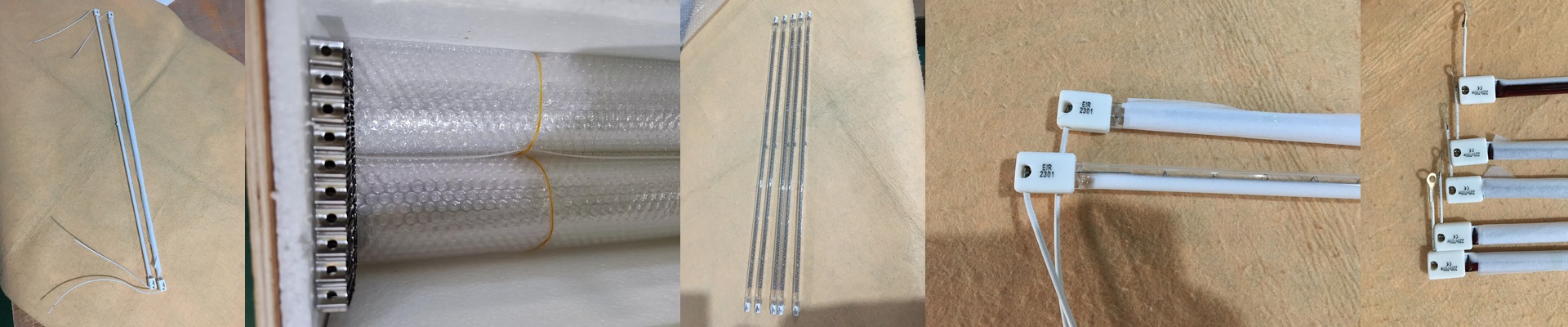
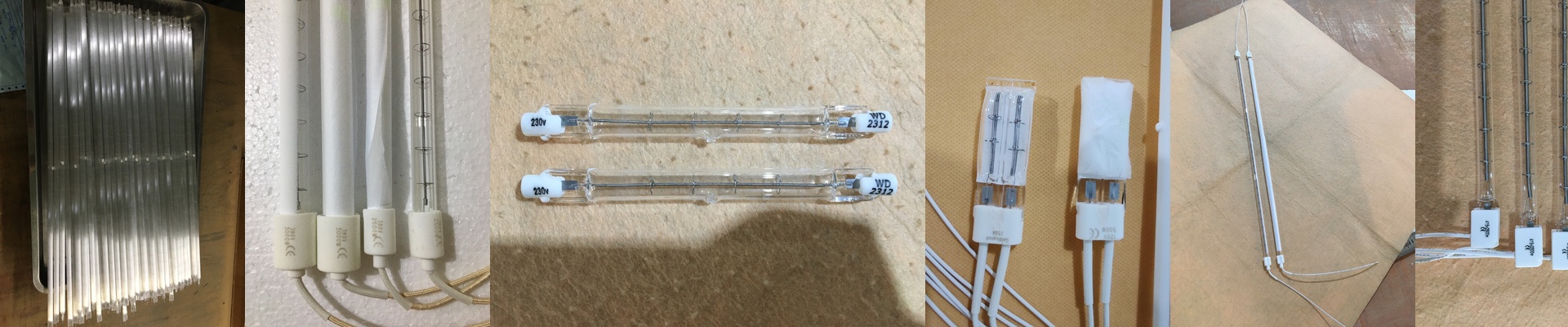
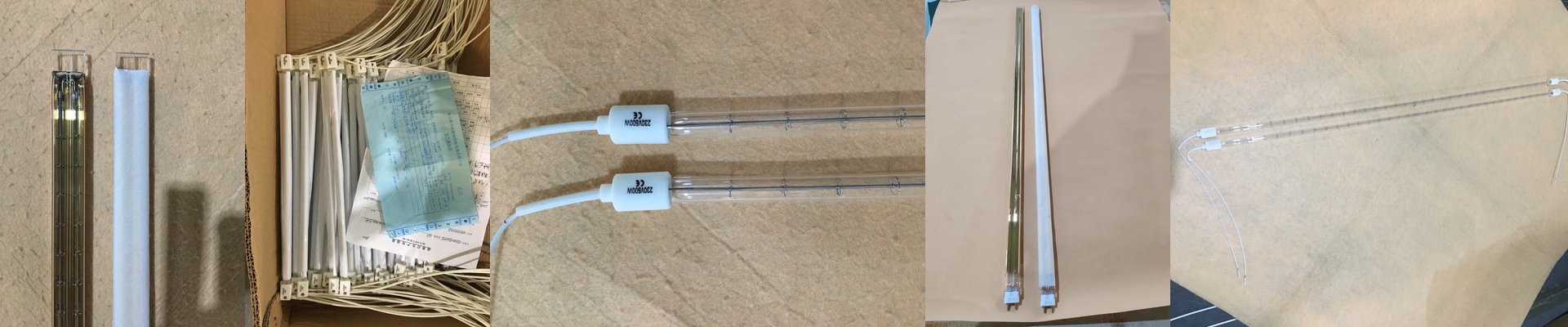
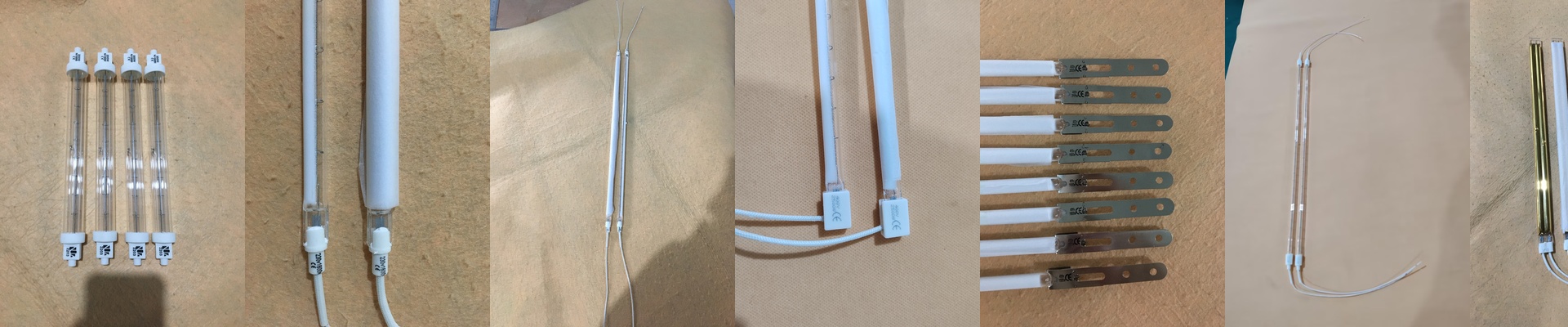
Let’s talk about the 350mm 1500W Halogen Heating Element
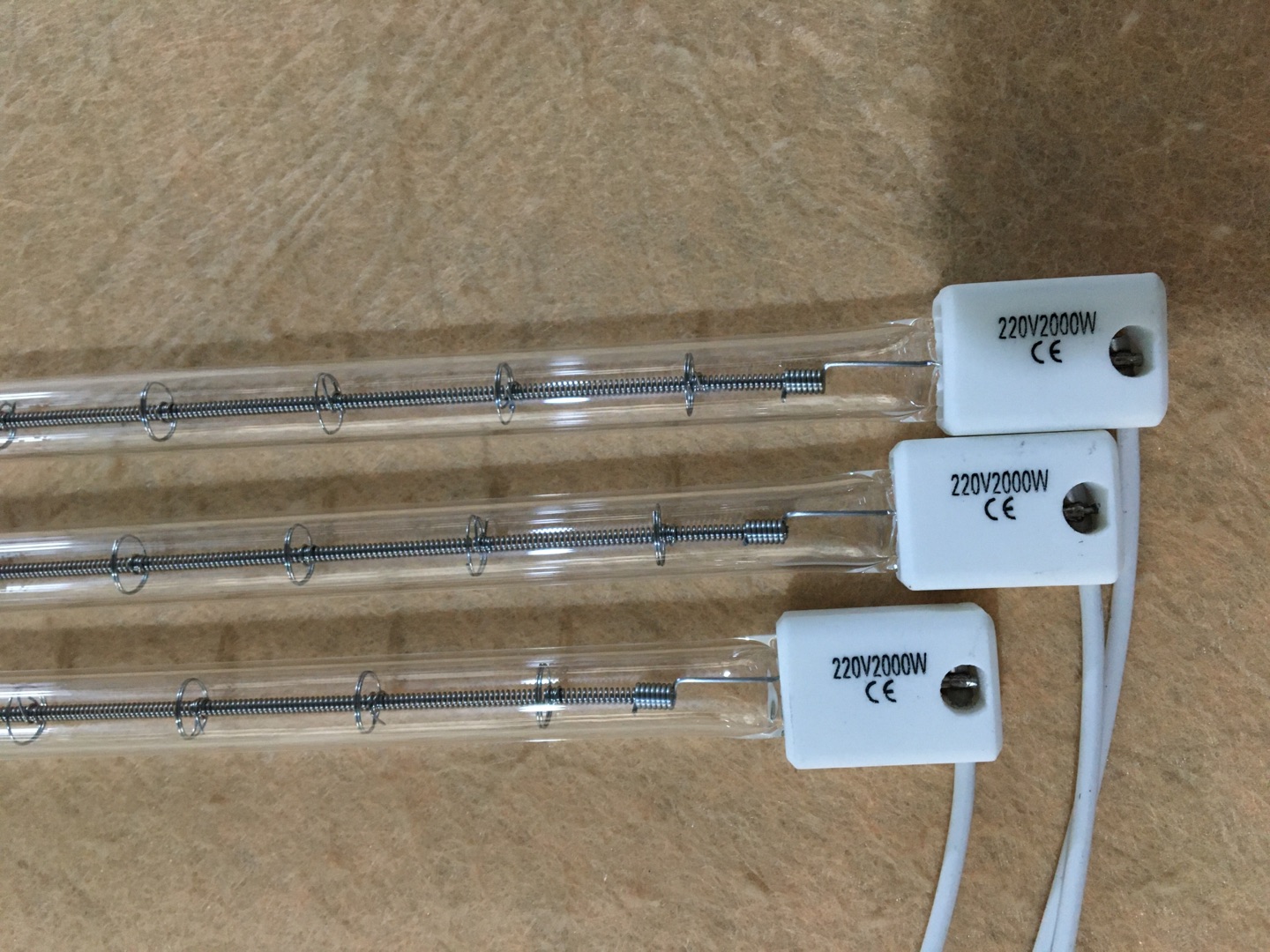
When you need heat—and you need it now—these 350mm halogen bulbs are your best bet. We designed them for those high-intensity jobs where waiting for a machine to warm up just isn’t an option. At 1500W, these things pack a serious punch. Because the power is concentrated over a relatively short length, they hit operating temperature almost the second you flip the switch. **Here is the secret sauce:**we use a halogen gas fill. Without it, the tungsten filament would just evaporate and burn out way too fast. The gas keeps the glass crystal clear and helps the bulb last much longer. If you’re running a conveyor line, you can just wire these into your existing arrays to keep your surface temperatures steady.
Built to take the heat
We use high-purity quartz for the glass. Why? Because these bulbs go from room temperature to scorching hot in a heartbeat. Normal glass would just shatter from the thermal shock, but quartz handles it without breaking a sweat. And since we know things eventually wear out, we kept the connectors simple. They usually use R7s or similar snap-in styles. When a bulb finally gives up the ghost, you just pop it out and drop a new one in. No need to tear apart your whole housing or spend an hour rewiring everything. It’s quick. Easy.
Where these actually live (and what to watch out for)
You’ll mostly see these working hard in PET blowing machines, shrink tunnels, or powder coating lines. They put out shortwave infrared, which means the heat sinks into the material fast rather than just sitting on the surface. But a word of caution. 1500W in a small tube creates a massive amount of localized heat. If your reflectors are dusty or slightly crooked, you’re asking for trouble—you could actually overheat the lamp housing. Make sure your cooling fans are actually doing their job and your ventilation is open. You don’t want to find out the hard way that your sockets have melted under a continuous load. Also, give them some breathing room. Proper spacing is the only way to avoid those annoying hot spots on your workpieces.