Getting Metal Coating Right: It’s All About the Heat
When you’re coating metal, just “turning up the heat” isn’t enough. You need the energy to hit the substrate exactly right. That’s why we build our halogen lamps the way we do—to hit those tight thermal targets without blowing the filament or melting your chassis.
How the IR Stuff Actually Works
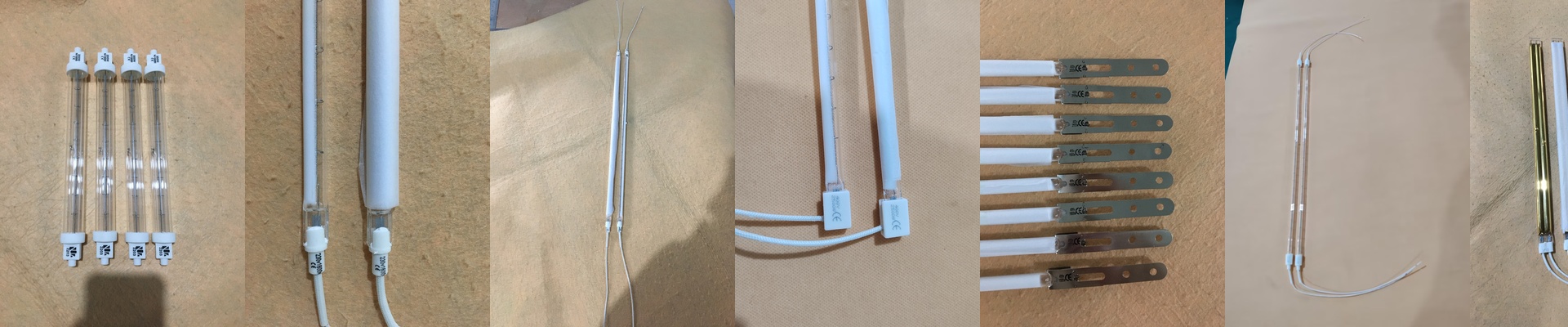
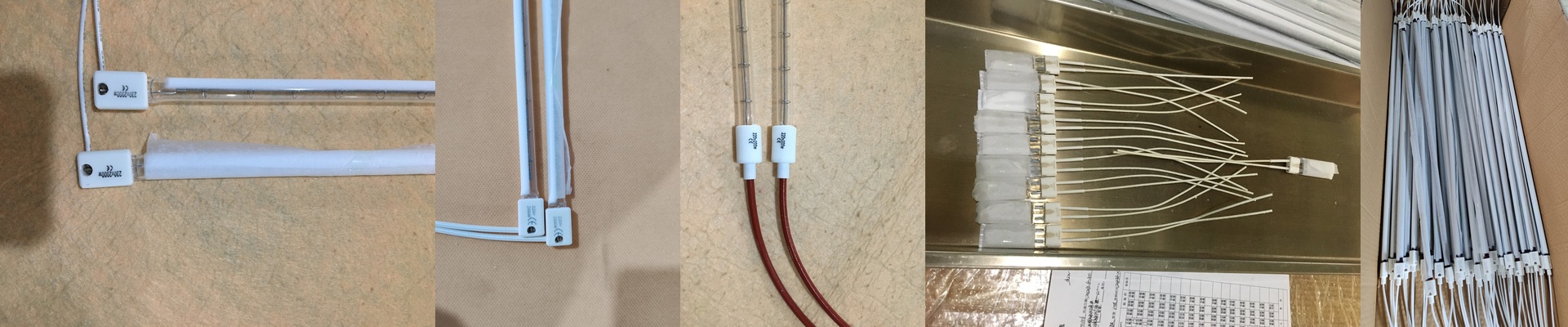
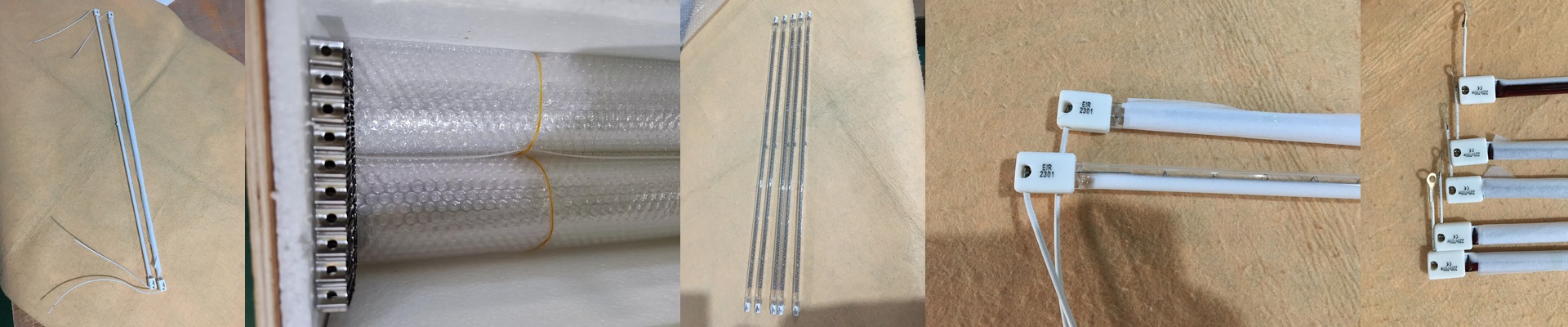
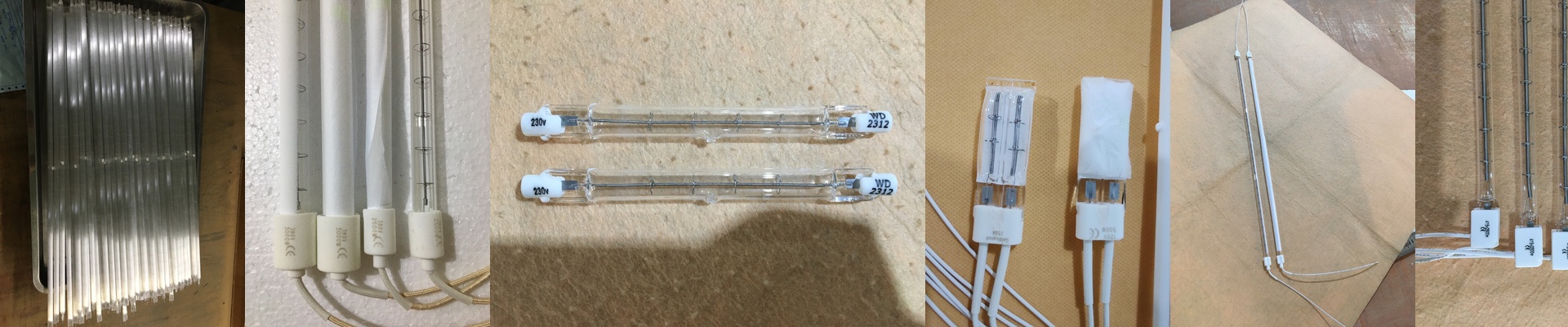
We use high-purity quartz envelopes for a reason. They let shortwave infrared radiation pass through without getting blocked. Unlike those clunky convection heaters that just warm up the air, these lamps shoot energy straight into the coating molecules. It’s fast. Really fast. And that means your curing line doesn’t have to take up half the warehouse. But there’s a catch. You can’t just cram as many watts as possible into a short tube or the filament will snap. We spend a lot of time balancing heat density with how long the lamp actually lasts. We calibrate everything so you hit your temperature goals without pushing the materials past their breaking point.
The Nitty-Gritty Hardware
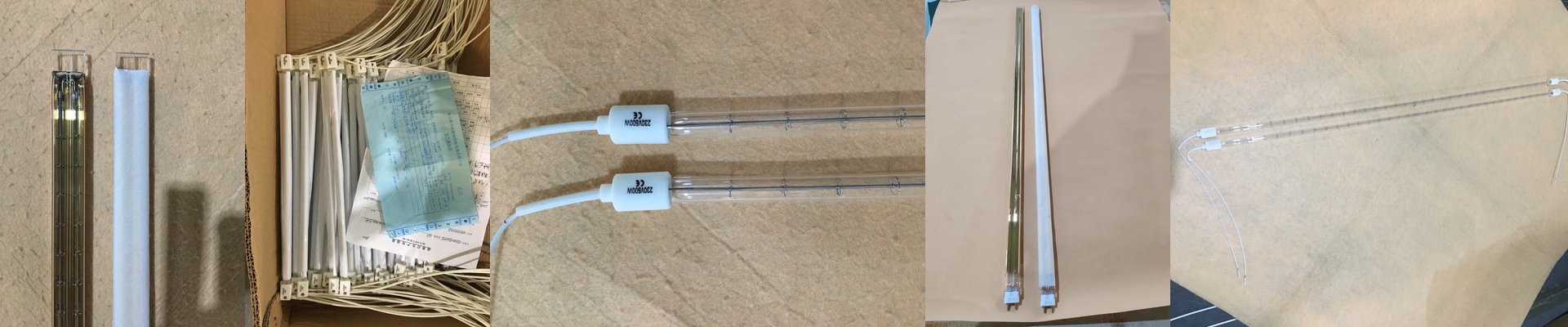
The connectors we use—things like R7s or SK15—aren’t just random choices. We picked them because they can handle high current without oxidizing and falling apart. We also apply specific coatings to the quartz to “tune” the light. This stops the lamp from wasting energy on wavelengths that the metal just won’t absorb. It’s about efficiency, plain and simple.
Real Talk: The Shop Floor
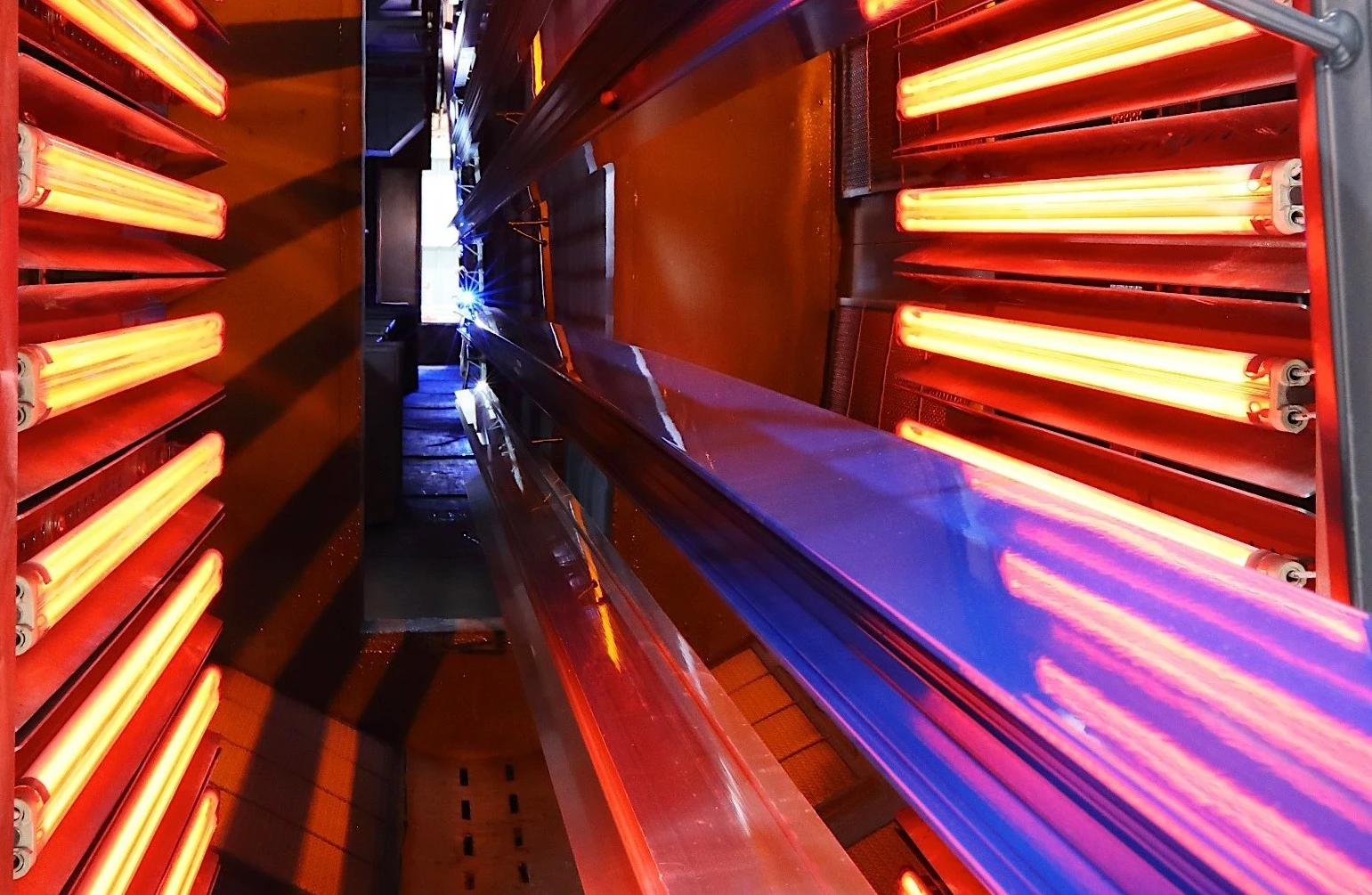
Here is the thing: you can’t just slap a high-output lamp into an old rig and hope for the best. High-wattage halogen arrays create an incredible amount of heat. If your cooling fans aren’t up to the task, you’re going to fry your reflectors. We build these for the grind of industrial cycles. You get a steady, consistent output across the whole tube, which means no more annoying cold spots on your parts. You won’t need those massive, oversized ovens anymore. Just wire it up, set your timers, and let the lamps do the heavy lifting.