Stop Wasting Money on Burned-Out IR Lamps
Let’s be honest: swapping out a blown bulb is a pain. It’s not just the cost of the lamp; it’s the fact that your entire line grinds to a halt. Every minute you spend fiddling with a replacement is a minute you aren’t making money. That’s why we build our long-life halogen lamps the way we do. We want to push those replacement dates as far back as possible so you can actually leave your equipment alone and let it do its job.
How it actually works
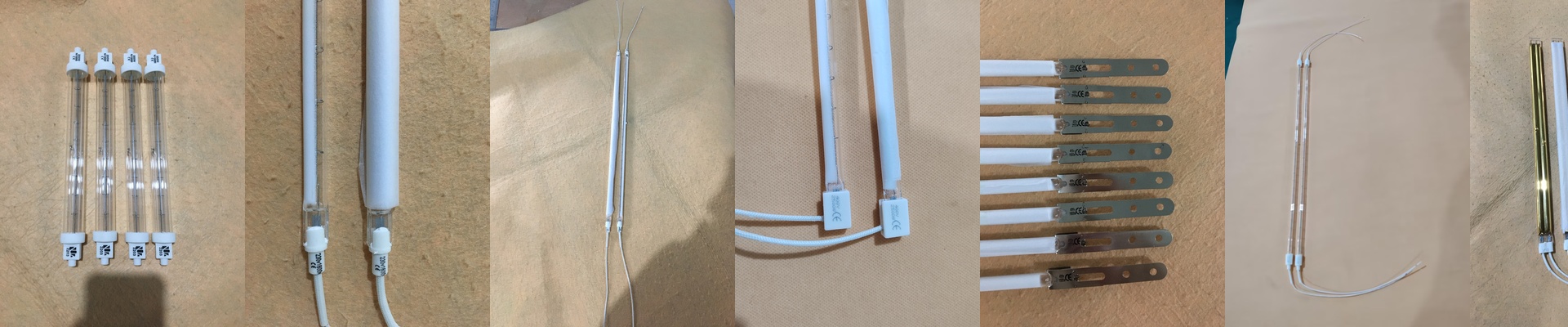
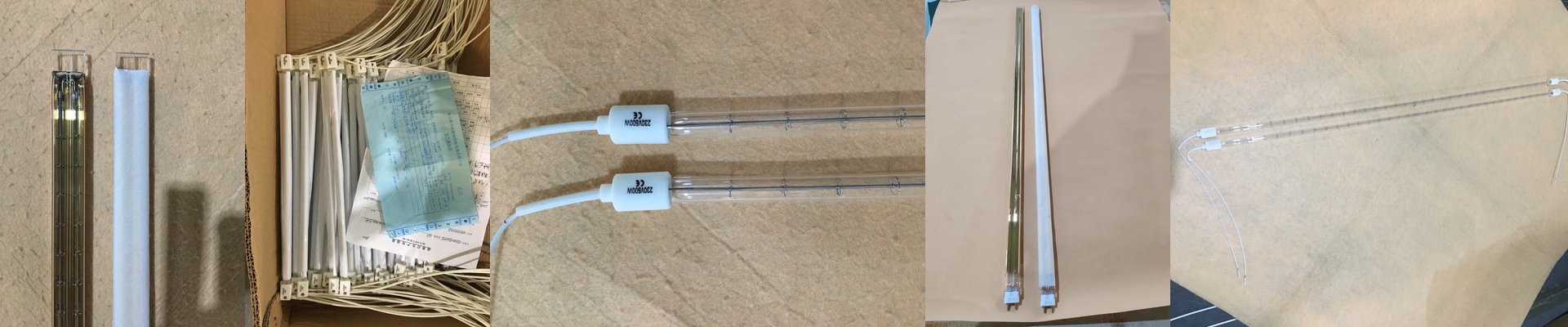
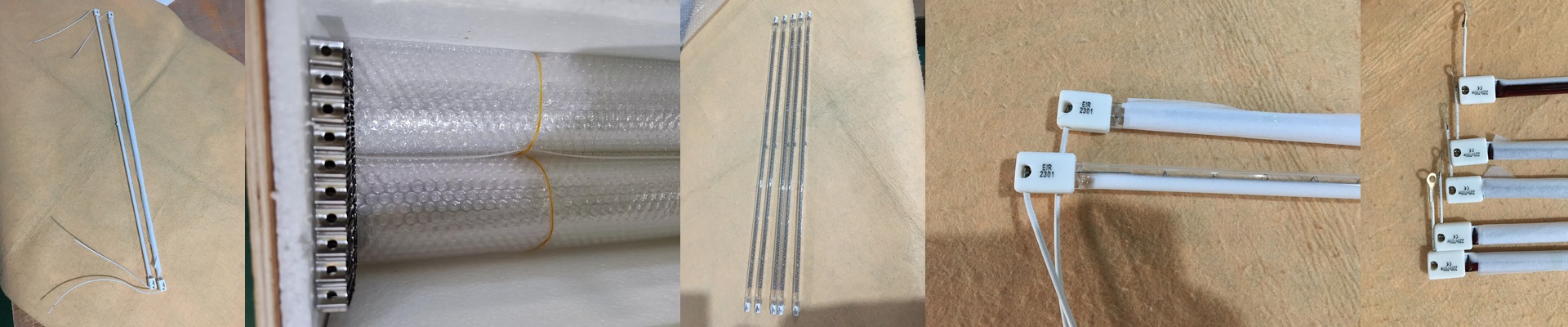
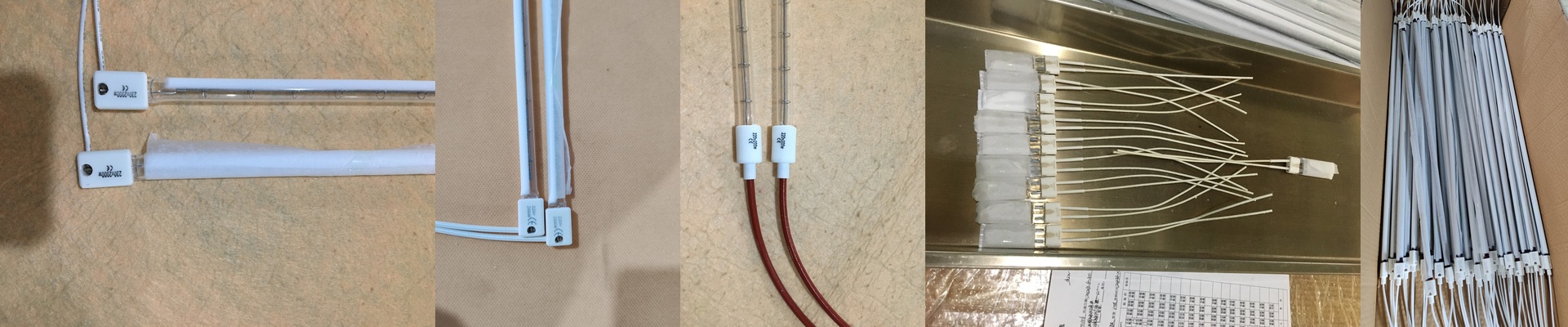
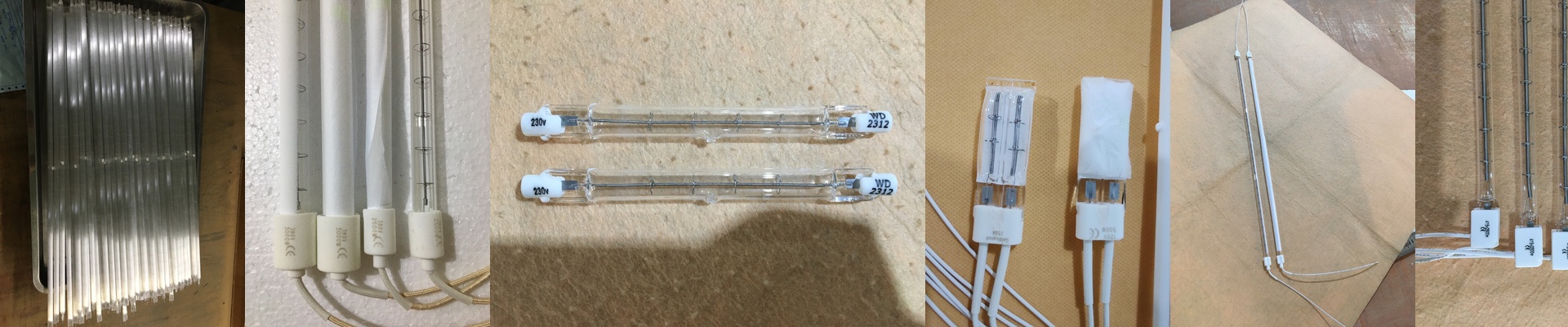
Inside these tubes, we’ve got a tungsten filament wrapped in high-purity quartz. Now, here is the clever part: the halogen cycle. As the tungsten evaporates, the cycle puts it right back onto the filament. This does two things. It keeps the glass from getting that cloudy look, and it stops the heating element from thinning out and snapping too soon. Depending on your setup, we can tweak the wattage and voltage. If you have longer tubes, going with a high-voltage setup helps keep the current draw under control. Just make sure your transformers can handle the load—otherwise, you’re just inviting a premature failure.
The nuts and bolts of installation
We stick to the standards you already know, like R7s or SK15 connectors. Why? Because a tight fit is everything. If a connection is loose, you get hotspots. Those hotspots melt the socket, and then you’re right back to replacing a dead lamp. It’s a domino effect nobody wants. We also use quartz glass because it doesn’t freak out when the temperature swings. Whether you’re doing PET blowing or curing, the glass can take the hit of rapid heating and cooling without cracking mid-shift.
The honest trade-off
I won’t tell you these lamps are magic. There’s always a balance. If you want a lamp to last a long time, you can’t run it at its absolute breaking point. You might lose a tiny bit of peak heat intensity, but in exchange, you get a massive jump in uptime. It’s a simple choice: do you want the absolute hottest heat for a short time, or do you want a system that just works day after day? Wire them up right, keep the oils and fingerprints off the glass, and you can finally stop living out of the spare parts bin. Your profit belongs in the finished product, not in a box of replacement bulbs.