Introduction
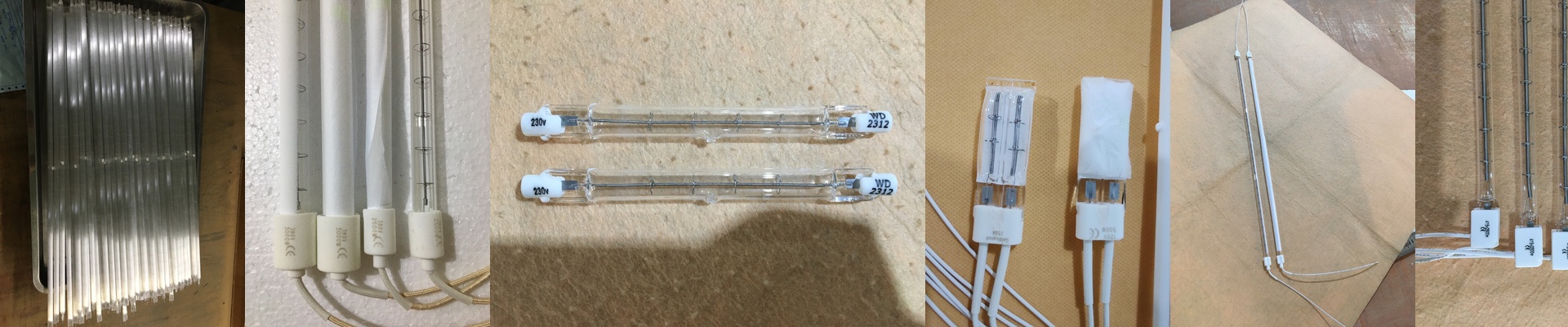
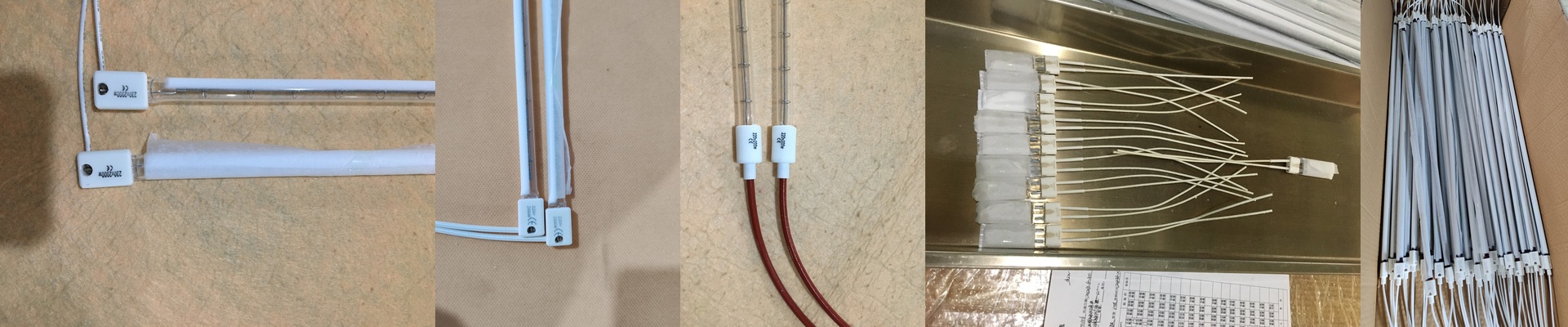
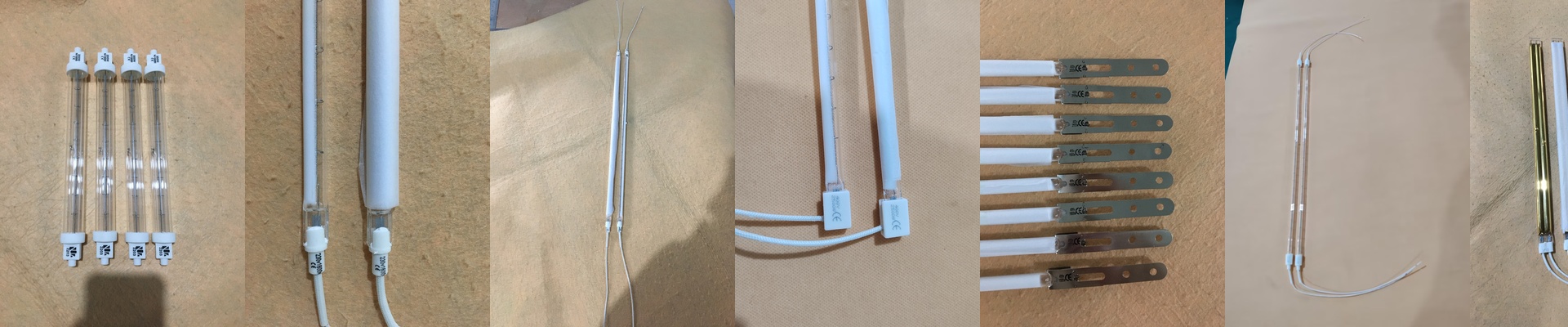
We built this infrared lamp to take a beating. It was born for the tough life of textile finishing, especially those massive stenter frames. The whole point? A 5,000-hour lifespan. But this isn’t just about the lamp lasting a long time. It’s about keeping your line running without the headache of surprise downtime. It’s engineered to give you steady, unwavering heat for curing, drying, and heat-setting fabric. When you’re working with fabric, a stable temperature isn’t just nice to have—it’s everything.
The Engine Under the Hood
How do we get that 5,000-hour life? It comes down to two things: smart thermal management and using the right parts. We make sure the lamp runs at the exact wattage and voltage your textile process needs. This keeps the filament happy, running within its comfort zone. No frying it with voltage spikes or mismatched power. And the fit? It’s a straight swap. The dimensions are standard, so it drops right into your existing mounts. No need to redesign the whole machine bay just to upgrade your heating.
What It’s Made Of
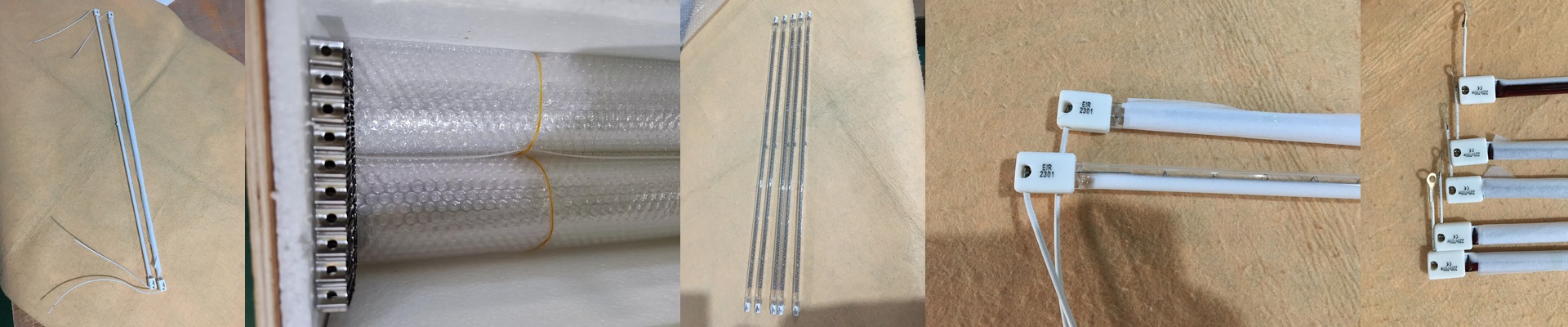
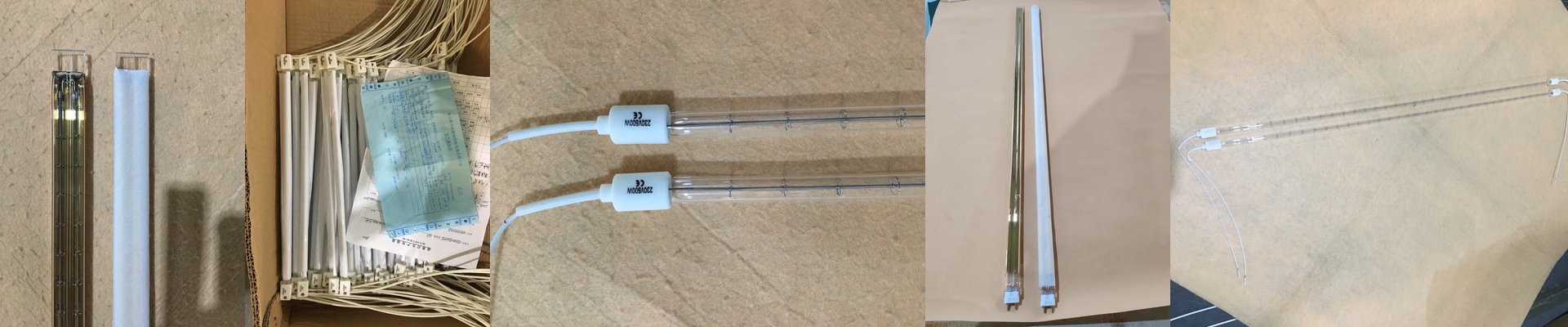
Performance starts with the basics: a quartz tube and a special halogen gas fill inside. This combo lets the lamp heat up fast and blast out high-intensity heat—exactly what a high-speed textile line demands. An internal reflector coating pushes the energy forward, so you’re not wasting heat and you’re protecting the parts that matter. Then there’s the connector. It’s a tough, industrial-grade piece built to handle high current without getting hot itself. It gives you a solid, low-resistance connection that can handle the constant vibration and temperature swings of a factory floor.
Getting the Layout Right
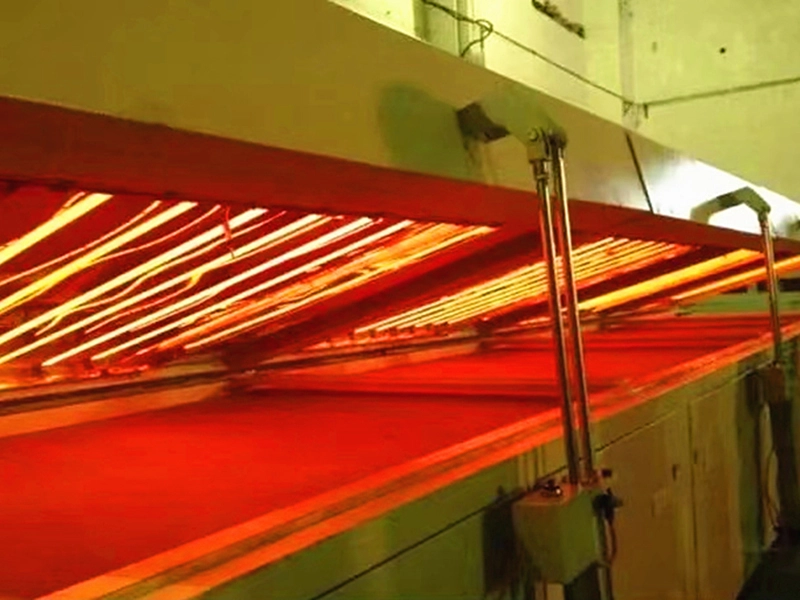
Here’s the real challenge with a big stenter: the lamp layout. Get it wrong, and you’ll see hot spots and uneven treatment on the fabric. So we don’t guess. We use algorithmic modeling to map out the heat distribution and figure out the perfect lamp spacing before we even install a single one. This way, you can plan the whole layout for maximum efficiency and a perfectly even finish. Just one thing to keep in mind: that high heat density means your machine’s cooling system needs to be up to the task. But when everything lines up, you’ll waste less energy and get a more consistent product, every single time.
The Power of Planning
Our simulation models take everything into account: the lamp’s specific output curve, how the fabric handles heat, and the airflow inside the machine. We run virtual tests, tweaking the lamp positions to find the sweet spot. The payoff? A layout that’s been proven before it hits the production floor. Less trial and error for you. A faster setup. And a process that just works—hitting your quality targets from day one.