Introduction
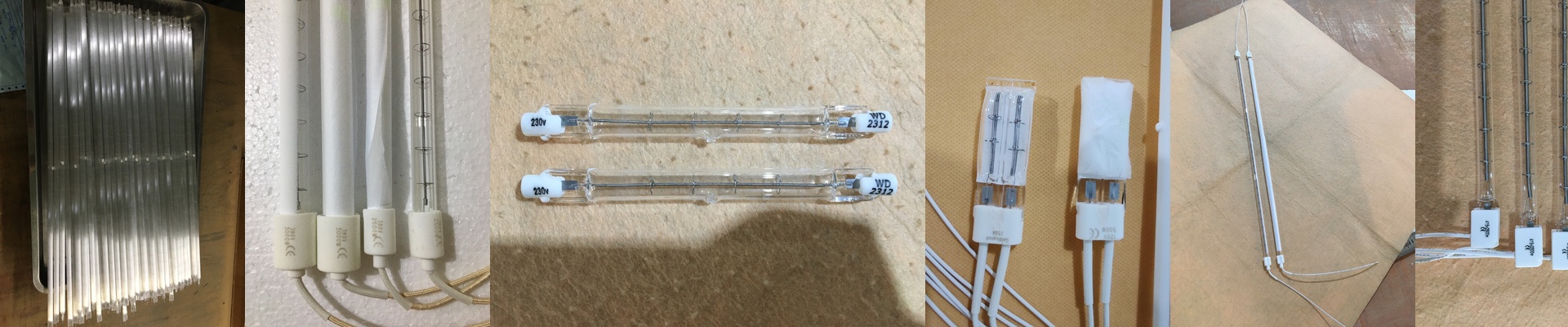
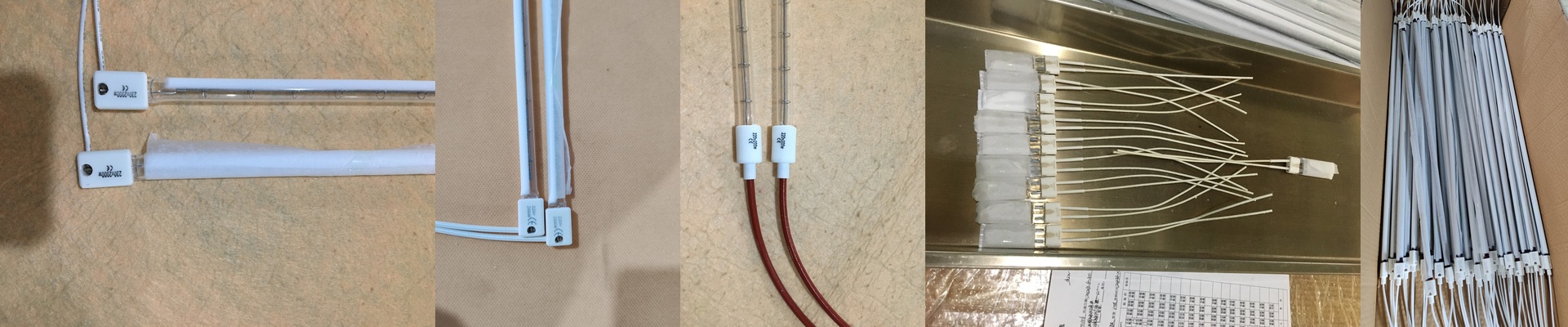
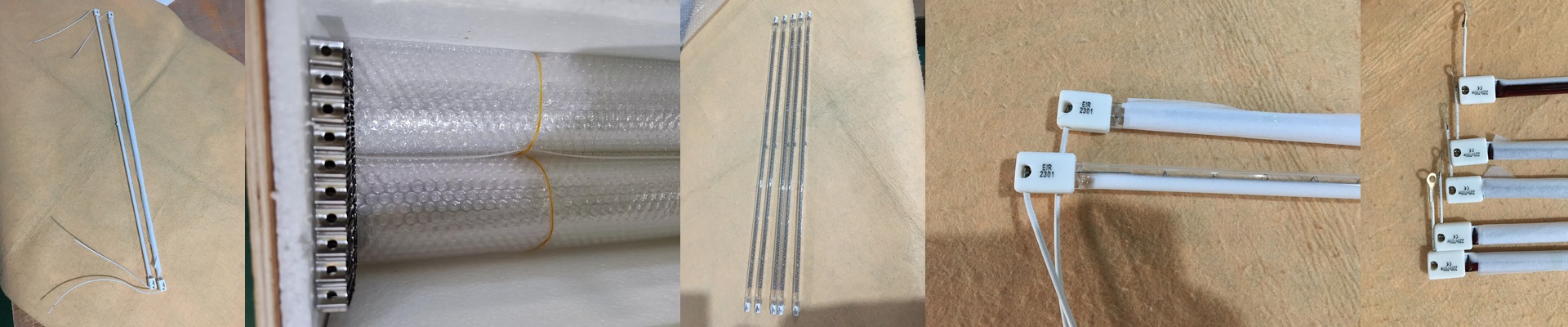
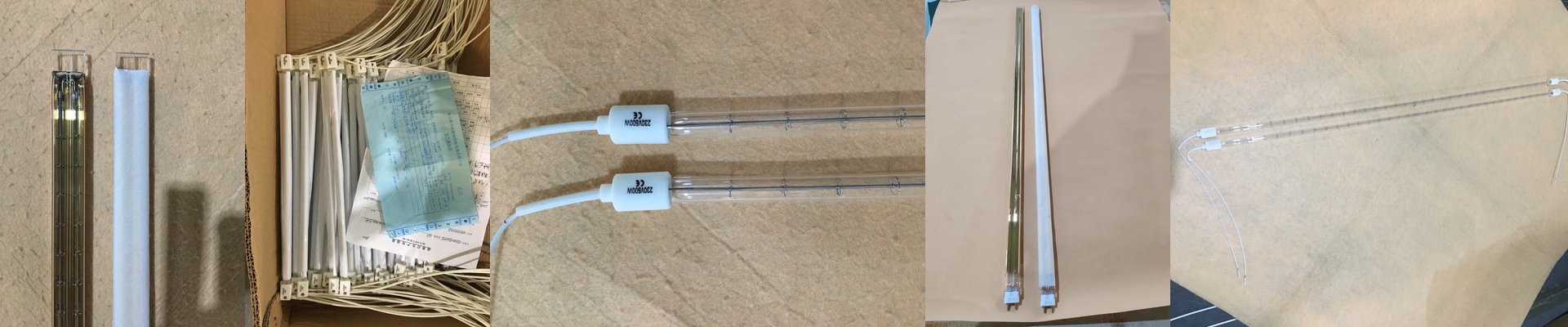
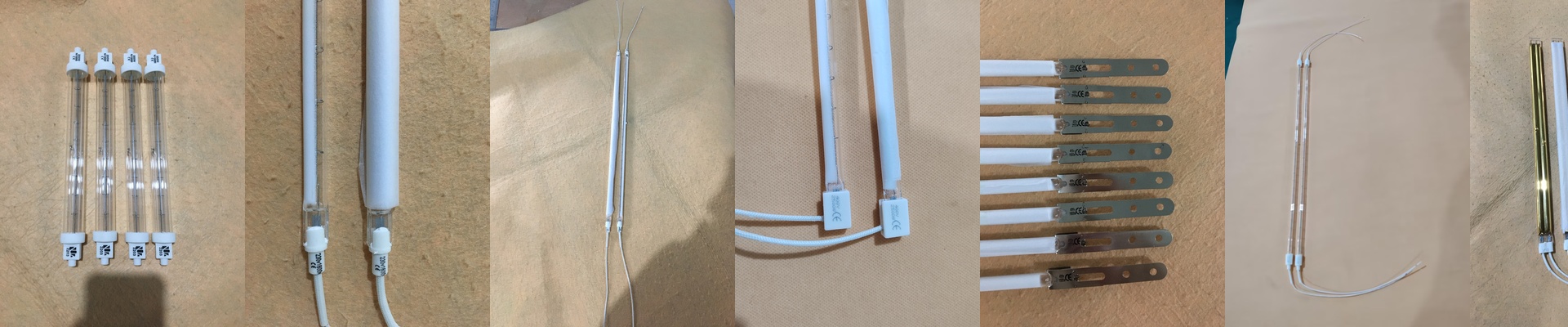
When your Monforts D-2 heating unit kicks the bucket, the whole line goes quiet. We built this replacement lamp to drop right in and get you back up and running. But we didn’t just copy the old one. We added a self-diagnostic core so you can stop playing detective with symptoms and start tracking real performance. It’s a 2500W, 400V halogen lamp, built for industrial heat and the kind of uptime you need to keep moving.
What’s really going on under the hood
The Monforts D-2 needs a solid 2500W heat load at 400V. That voltage choice keeps the current lower, which means less voltage drop over distance and fewer losses in the wiring. The payoff? A stable tungsten filament temperature, steady output, and a process you can repeat without guesswork. And the length? Matched to the D-2 reflector cavity so you don’t have to rework anything or fight with realignment. Here’s the thing: this setup isn’t just “plug and play” into any heater. Packing 2500W into a compact tube puts a lot of thermal stress on the system. You need a fixture rated for 400V, proper insulation, and a cooling path that can handle the heat. If your machine’s cooling is undersized, you’ll burn through lamps fast—no matter how good the lamp is.
Materials and design, kept real
We went with a quartz envelope because it handles rapid temperature swings without cracking. Inside, halogen chemistry keeps the filament stable by redepositing evaporated tungsten. That fights blackening and keeps output steady over time. The coating is chosen to reflect strongly in the shortwave infrared band, so the energy goes where you want it—not wasted as broad-spectrum heat. The connector is R7s, a standard double-ended pin interface. It gives you a solid mechanical lock and consistent electrical contact, so you won’t deal with intermittent arcing from loose connections. And inside, the filament support is built to take vibration and thermal shock—the same rough conditions your machine faces shift after shift.
How it lands on the line—and what it feels like
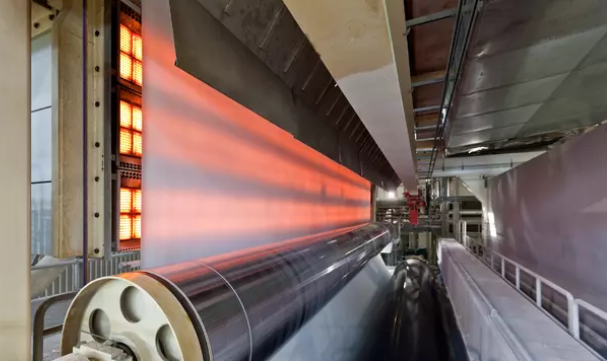
In the Monforts D-2, this lamp is the heat source for drying and curing, where temperature uniformity matters. The self-diagnostic circuit turns lamp status into a number you can track, so you plan replacements based on run-hours and resistance drift, not crossed fingers. Fewer surprise stops. Fewer scrapped batches. Installation is straightforward: make sure your fixture is 400V, line up the R7s pins, seat the lamp, and double-check the reflector alignment. Run it at the rated wattage, keep an eye on cooling, and you’ll get predictable output day after day. It’s a practical upgrade—more control, less downtime, and a spec you can count on when the pressure is on.