Let’s Talk About SWIR Halogen Elements
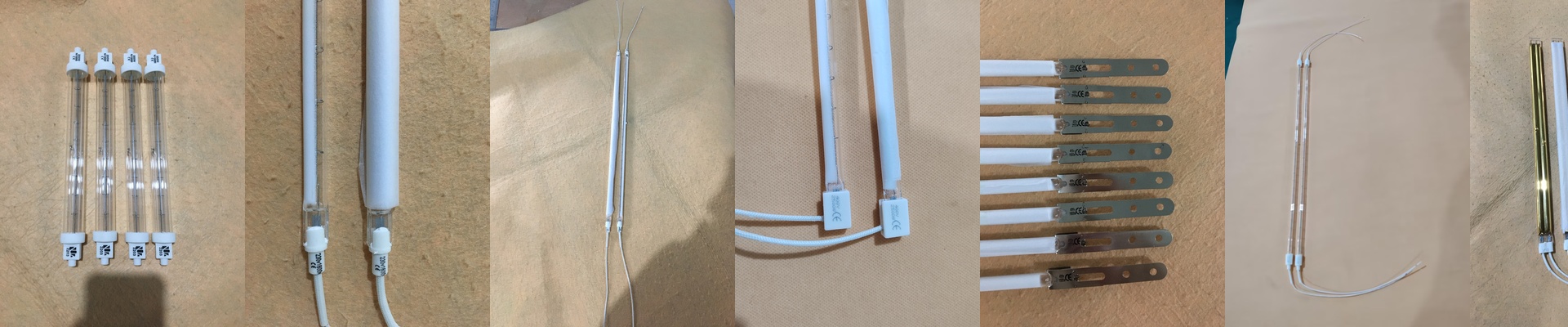
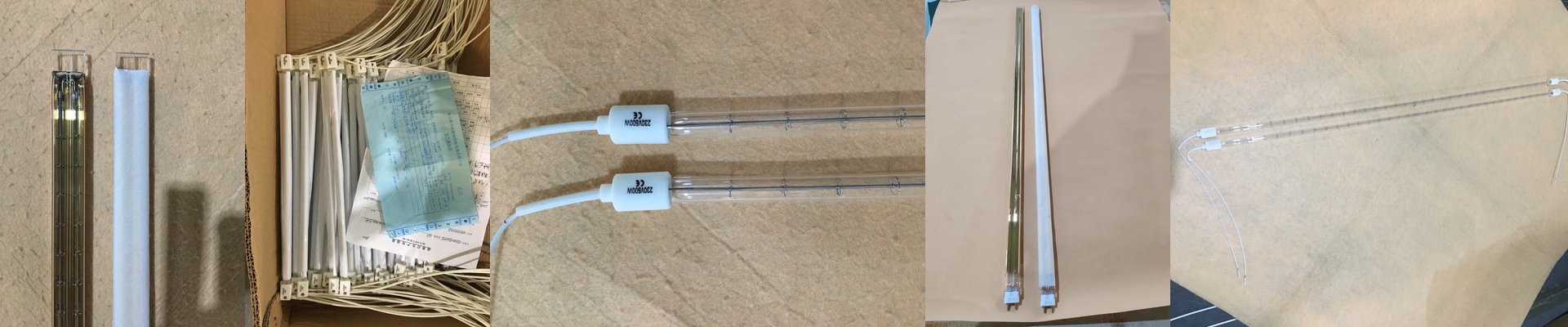
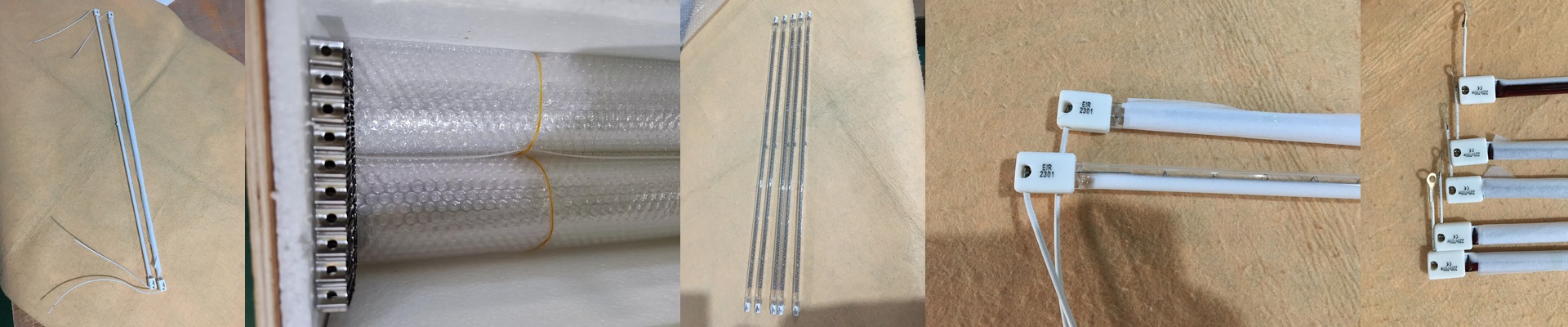
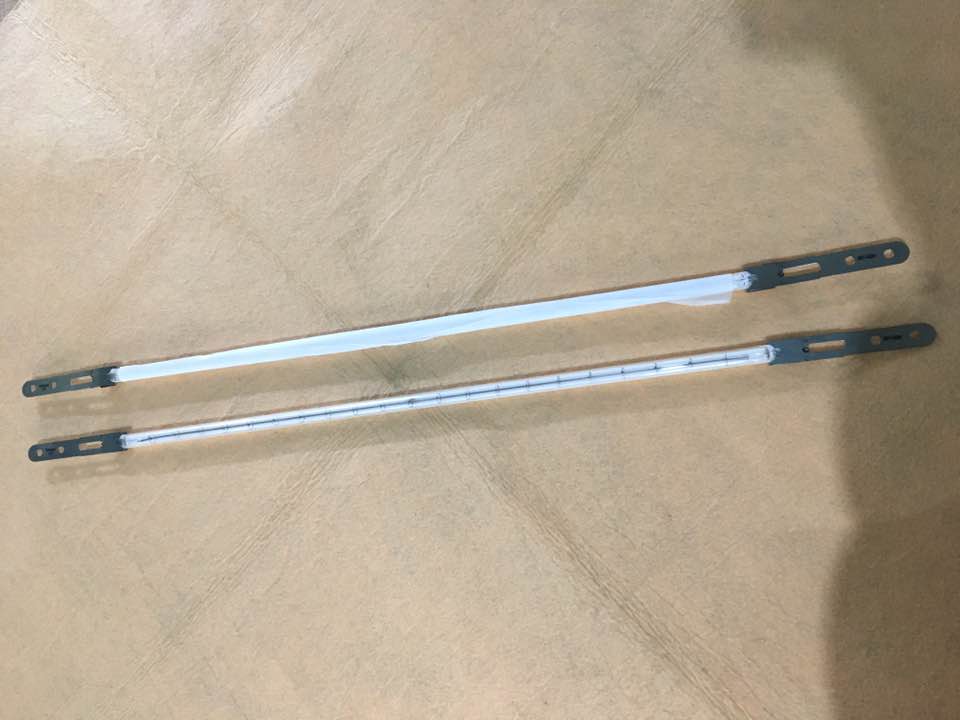
If you’ve ever needed to get a material hot—and get it hot fast—you’ve probably looked at shortwave infrared (SWIR) lamps. Basically, we take a tungsten filament, tuck it inside a quartz tube, and add a halogen gas mix. Why the gas? It stops the tungsten from evaporating too quickly, which means we can crank up the heat way higher than your average lamp. It’s built for those high-intensity jobs where you can’t afford to wait around for a slow warm-up and you need the heat to actually sink deep into the material.
Power, Voltage, and the “Dirty Mirror” Problem
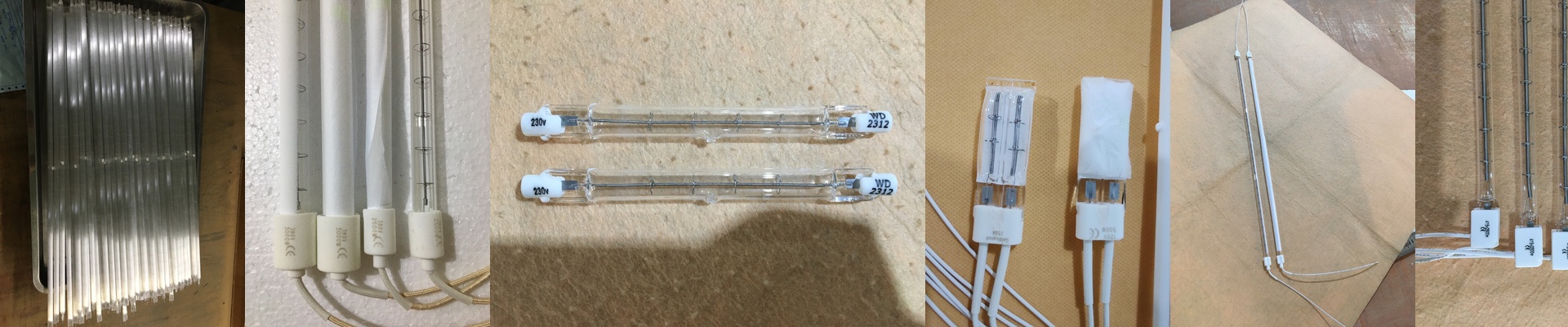
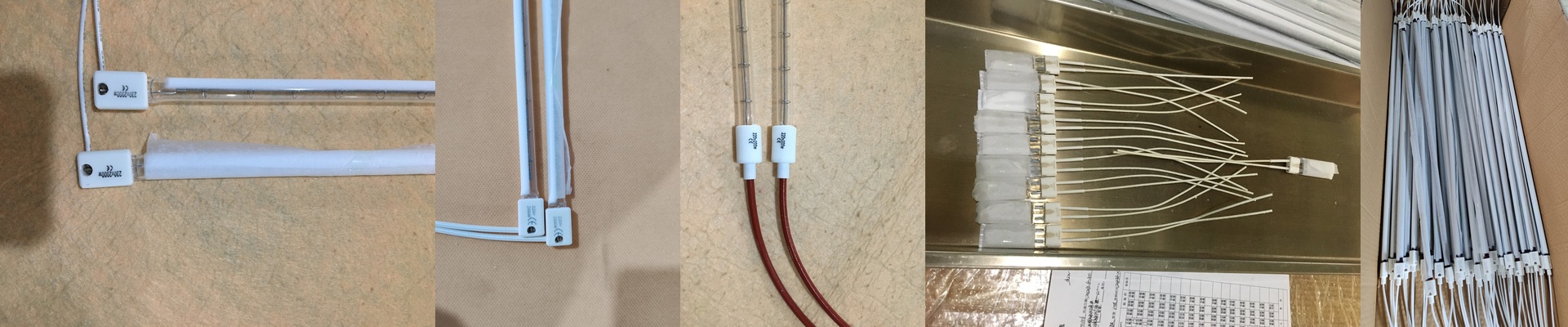
When we’re figuring out the specs, it all comes down to heat flux. Take a high-wattage tube—say, 2000W at 230V or 400V. You’re cramming a massive amount of energy into a tiny space. That’s how you get that intense heat density. If you’re using a 300mm or 500mm tube, just keep an eye on your voltage. It’ll dictate your current draw, which means you need to make sure your wiring is thick enough to handle the load without getting stressed. But here’s the thing: none of that power matters if your reflectors are a mess. If they’re pitted or covered in grime, you’re just throwing heat away into the chassis. Keep them clean, or you’re wasting money.
The Build and the Fit
We use quartz for the envelope because it lets that shortwave radiation pass right through without getting in the way. Sometimes we add specific coatings to the glass—either to tweak the light spectrum or just to keep chemical splashes from ruining the tube. As for the connectors, we stick with the classics: R7s or Sk15. They’re easy, drop-in replacements for most PET blowing machines or industrial ovens. They fit tight, which is exactly what you want. No loose connections, no scary arcing when the lamp cycles on and off.
The Trade-off: Speed vs. Burnout
These lamps are incredibly fast. We’re talking full temperature in a matter of seconds. That’s why they’re a go-to for curing automotive paint or preheating PET. But that intensity is a double-edged sword. If your PID controller isn’t tuned just right, or if someone blocks the airflow around the ends of the tube, you can fry the filament in no time. It’s a common headache. Just make sure your cooling fans are beefy enough to handle the heat soak at the ends of the lamp, and you’ll be golden.