Getting the Most Out of Halogen Infrared Lamps in Your Lab
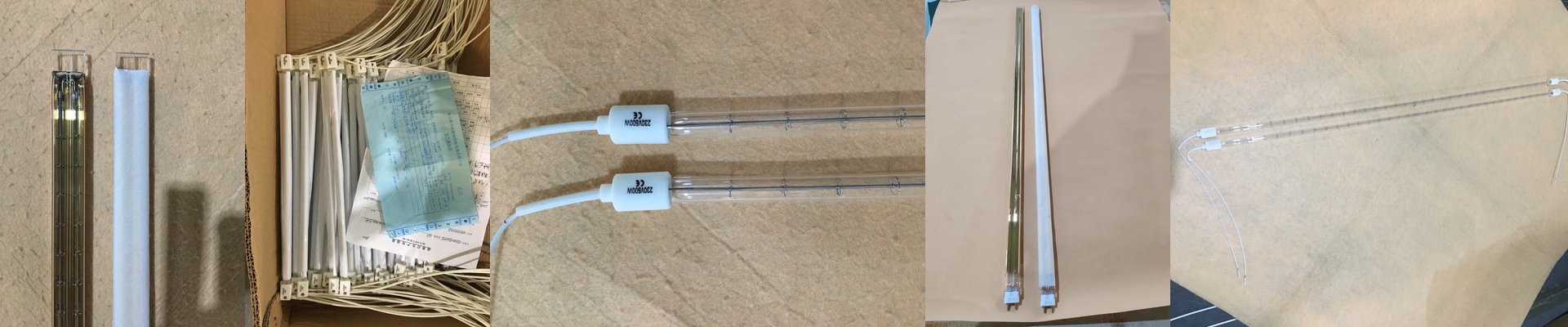
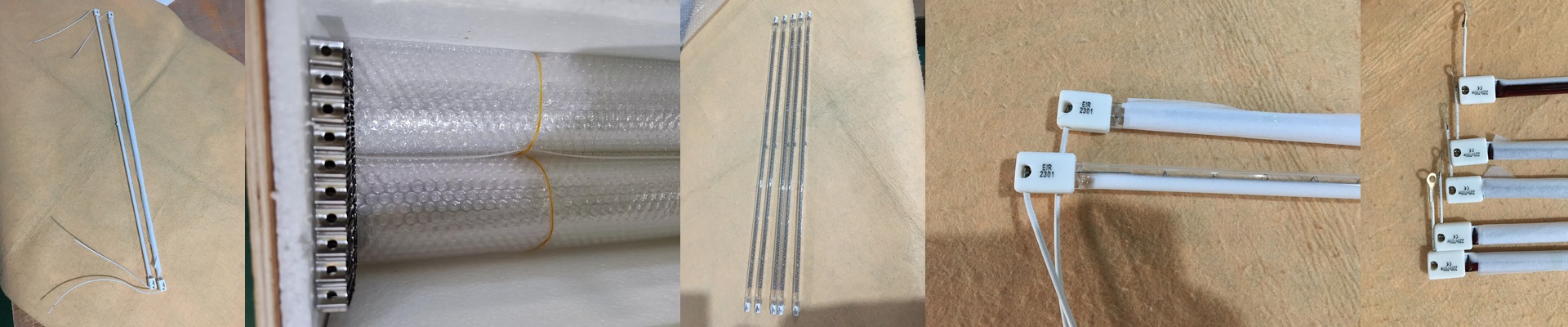
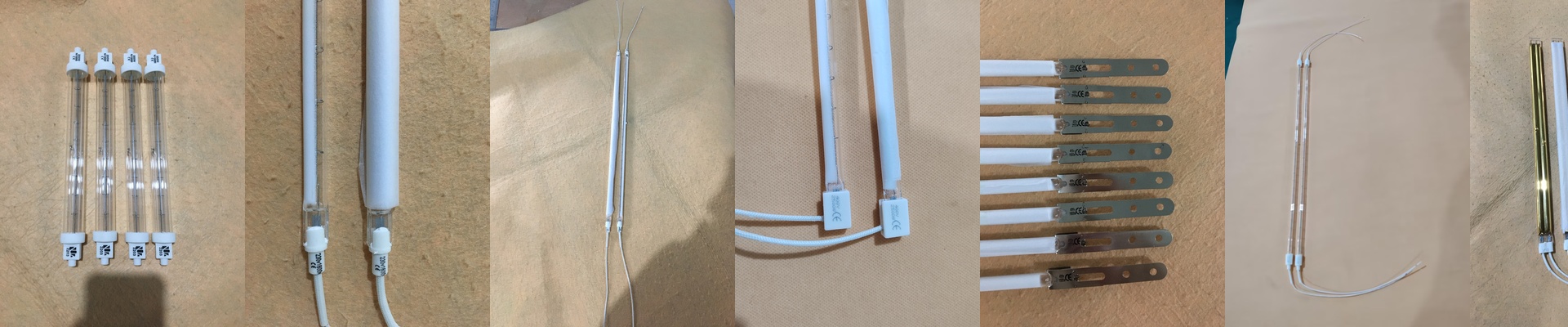
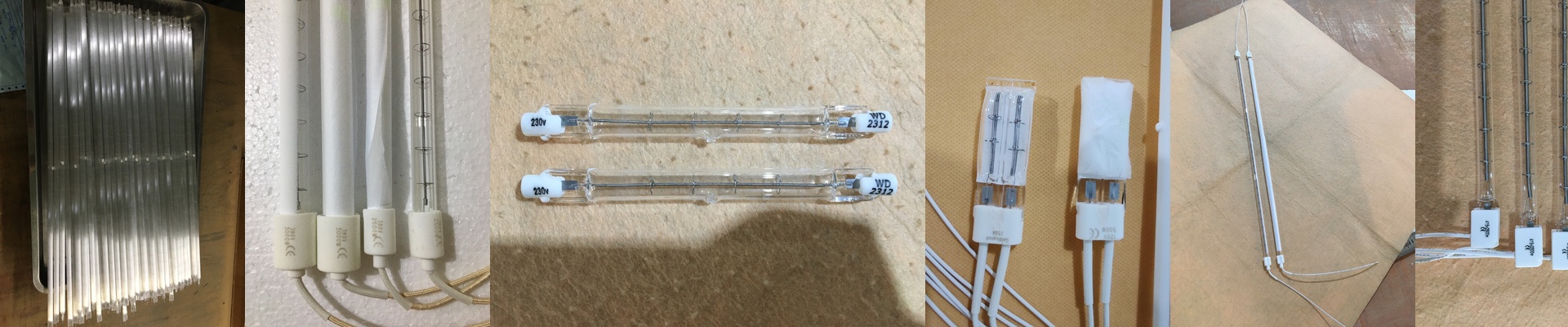
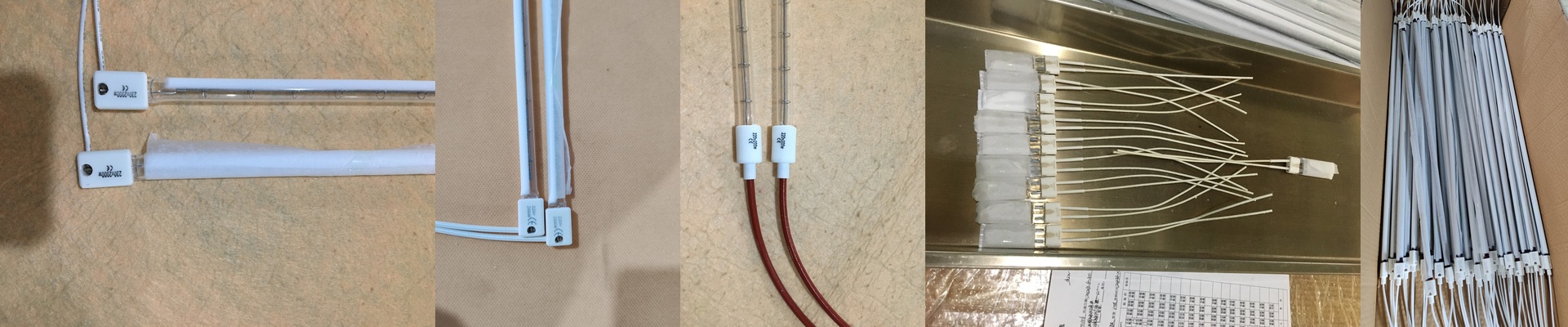
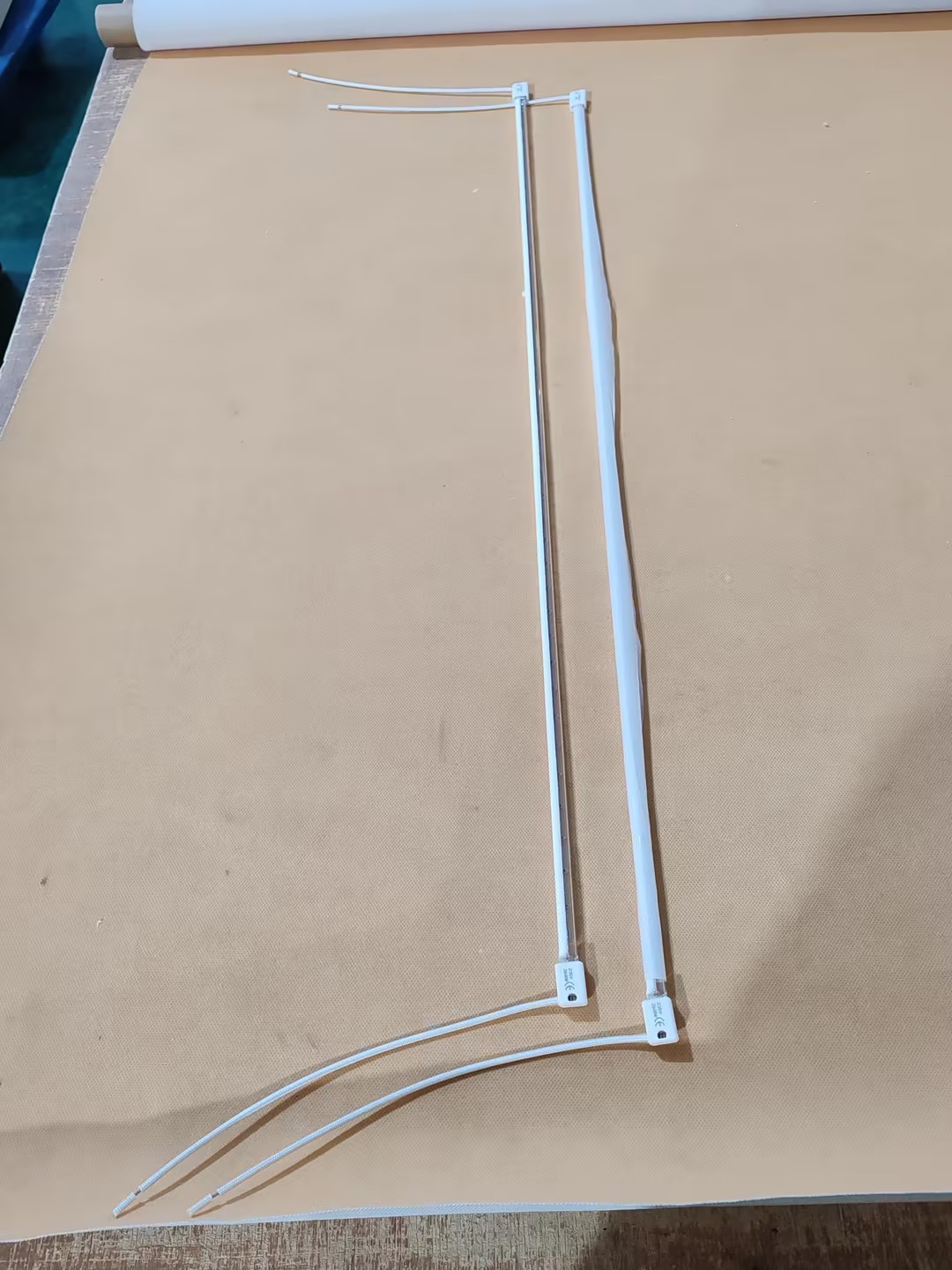
When we build halogen lamps for chemical processing, we’re not just making “heaters.” We’re focused on that high-intensity shortwave infrared (SWIR) radiation. Think of it as a concentrated blast of energy. Instead of just warming the air, this stuff cuts right through materials. It’s why they work so well for curing resins, drying out coatings, or getting a substrate up to temp fast. The Power Side of Things Depending on how much space you have in your setup, we can tweak the wattage and voltage to fit. If we go with a high-voltage setup—say, 230V to 400V—we can push way more power through a shorter filament without worrying about the leads melting. The best part? The heat spike is almost instant. You aren’t sitting around waiting for a slow warm-up, which means your cycle times in drying tunnels or chemical baths drop significantly. Just a heads-up: make sure your power supply can handle that initial “kick” when you flip the switch. If not, you’ll be replacing blown fuses more often than you’d like. Quartz and Connections We use high-purity quartz glass because these lamps get incredibly hot inside. We add halogen gas to the mix to stop the filament from evaporating, which basically means the lamp lasts a lot longer. For the plugs, we stick with R7s or Sk15 connectors. They’re standard, so they usually slide right into most industrial ovens without a fight. But here’s a tip: if you’re working with corrosive vapors,**keep an eye on your seals.**If chemicals leak into those connectors, the ends will burn out way faster than they should. The Trade-offs These lamps pack a massive amount of heat into a tiny area. That’s great for speeding up a reaction, but it can lead to a “heat soak” problem. If your cooling fans aren’t up to the task, your housing might actually warp from the ambient heat. To stop that—and to keep your materials from scorching—we usually suggest a PID controller. It lets you pulse the power, keeping the temperature steady and your product safe.