Getting Your PET Preform Heating Right with Halogen Lamps
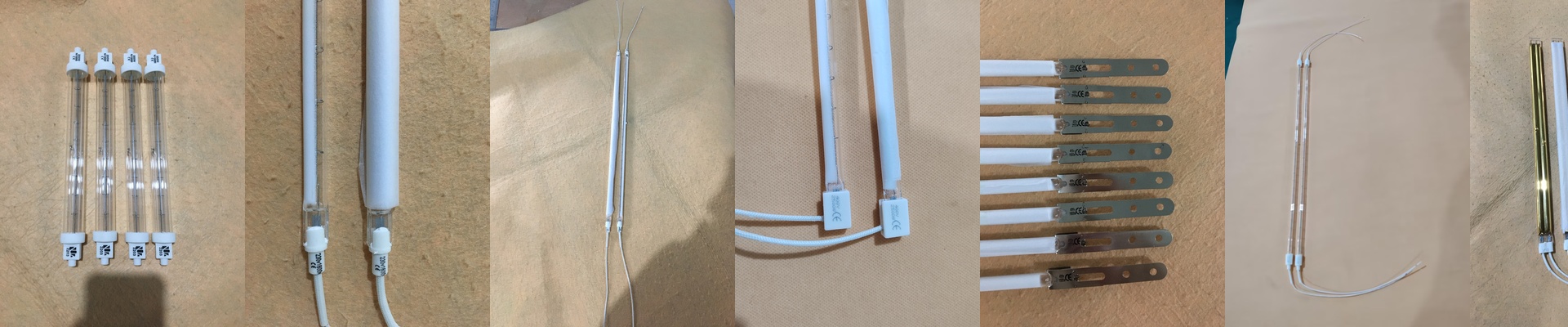
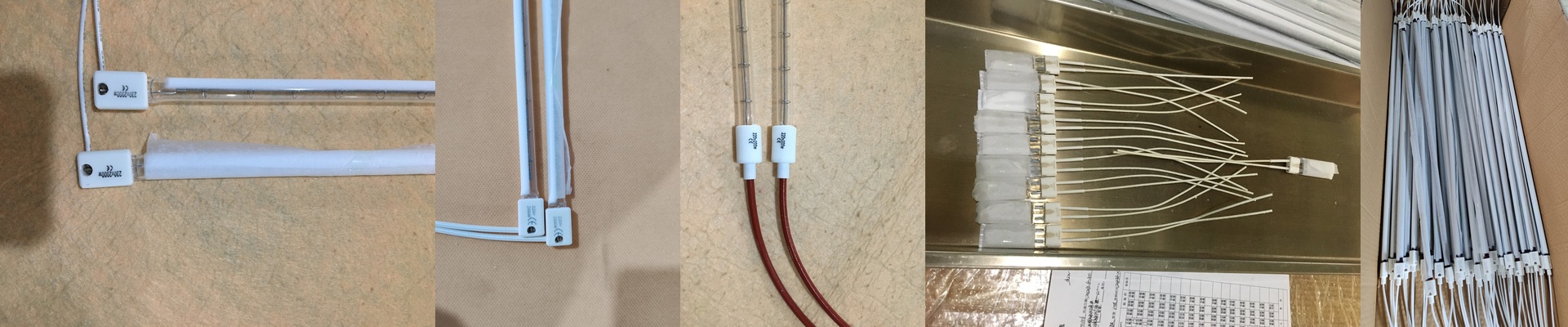
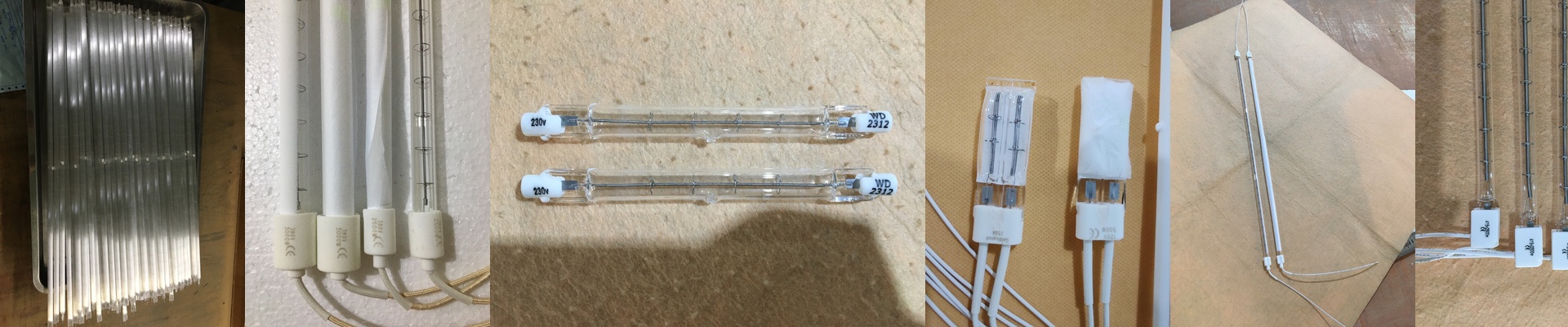
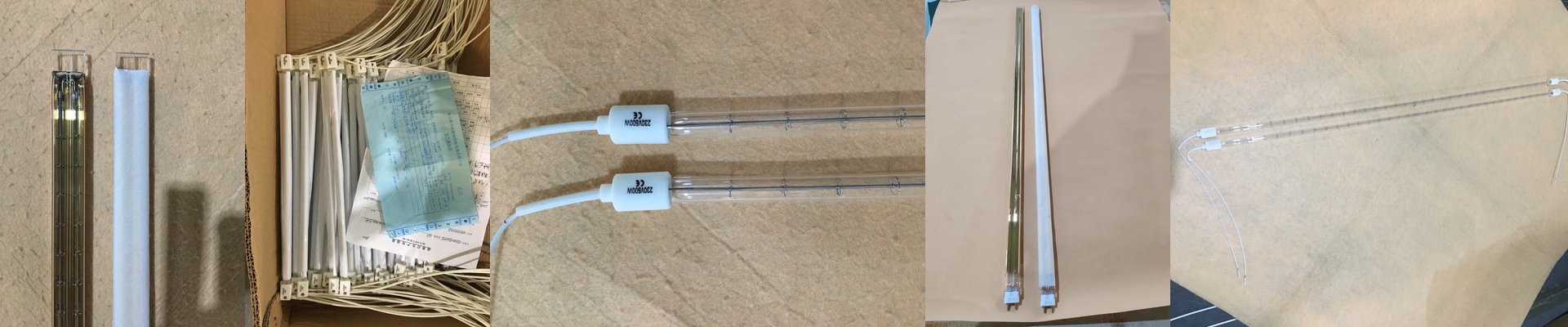
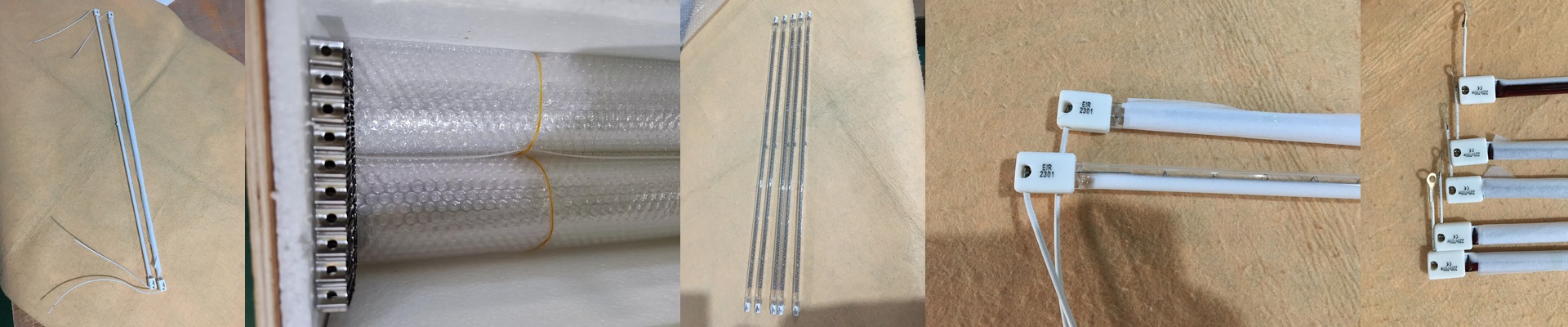
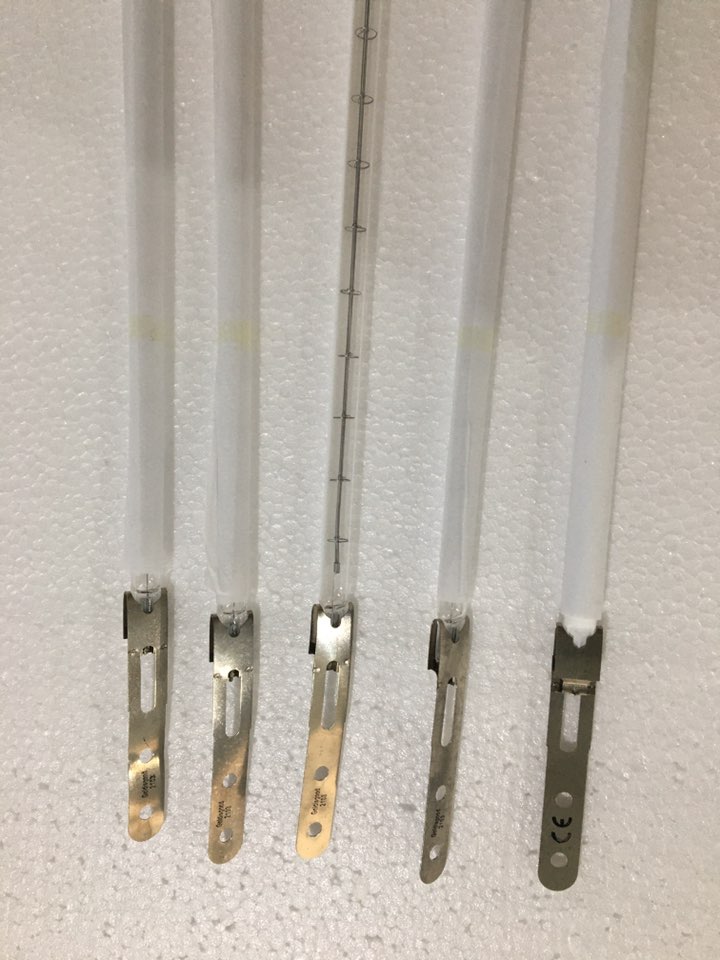
If you’ve ever worked with PET blow molding, you know the struggle. You need the plastic soft enough to shape, but if you overdo it, you’ve just burnt your product. It’s a delicate balance. That’s where short-wave halogen lamps come in. They basically blast concentrated infrared heat straight through the PET wall. Inside that quartz tube, a tungsten filament is doing all the heavy lifting, wrapped in a halogen gas mix that keeps the filament from just evaporating under the pressure. The Power Side of Things You’re usually looking at high voltages here—220V or 400V. Why? Because speed is everything. To hit that glass transition temperature in a matter of seconds, you need serious wattage. But here’s the catch: if you’re running a 2500W tube, things get hot. Fast. If your cooling fans aren’t up to the task, you’re going to see your lamp housing start to warp. It’s a lot of energy in a small space, so don’t skimp on the airflow. The Hardware We use hard-coated quartz for a reason. It keeps the gunk and contaminants off the glass and bounces the heat back where it belongs. As for the connectors—usually R7s or SK15—they’re great because they actually stay put. When your machine is vibrating, the last thing you want is a lamp shifting around. Plus, they make swaps a breeze. When one finally burns out, you just pop it out and drop a new one in. No need to rewire the whole oven. Real-World Tips The biggest headache in the shop is usually uneven heating. The trick is playing with the distance between the tube and the preform to get the heat flow just right. One thing to watch out for: thermal cycling. Constantly flipping these lamps on and off puts a ton of stress on the filament. If you want them to last, keep your voltage steady. And for heaven’s sake, keep the quartz clean. A little bit of oil or dust might not seem like much, but it creates hot spots that will kill your lamp way sooner than it should.