Stop Treating Your Curing Lamps Like Trash
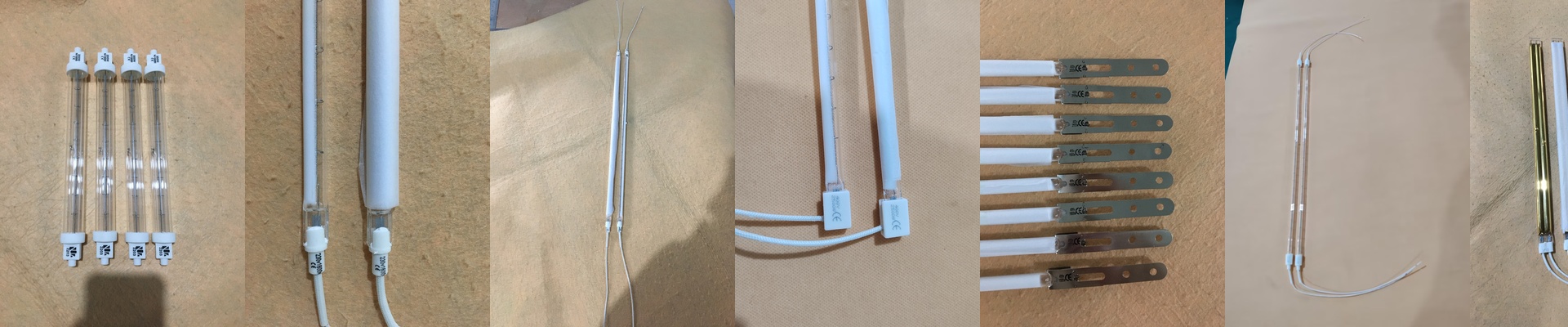
Let’s be honest: most paint lines treat curing lamps like lightbulbs in a hallway. One burns out, you toss it, and you pop in a new one. It’s a constant cycle of throwing away quartz and metal, and frankly, it’s a waste of money. We wanted to break that loop. Our goal was simple: build a lamp that actually lasts.
Why most lamps die early
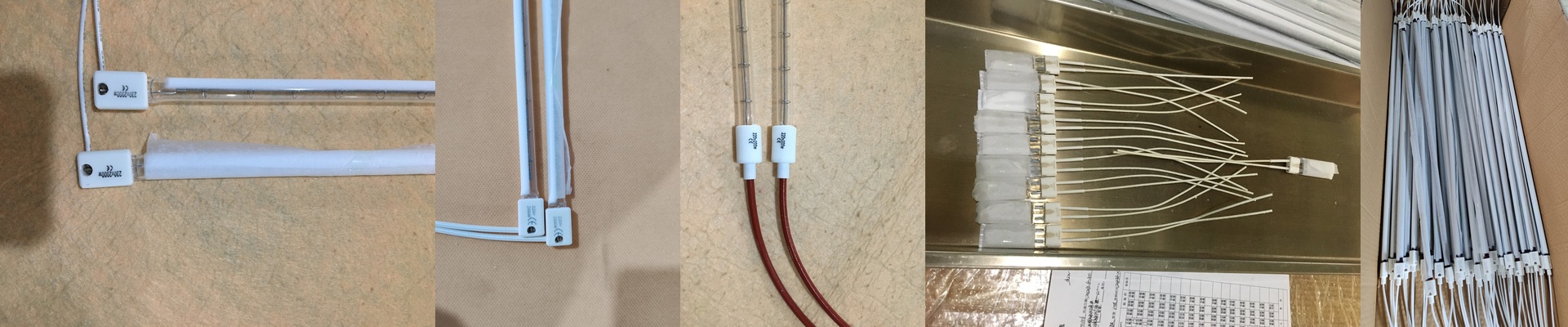
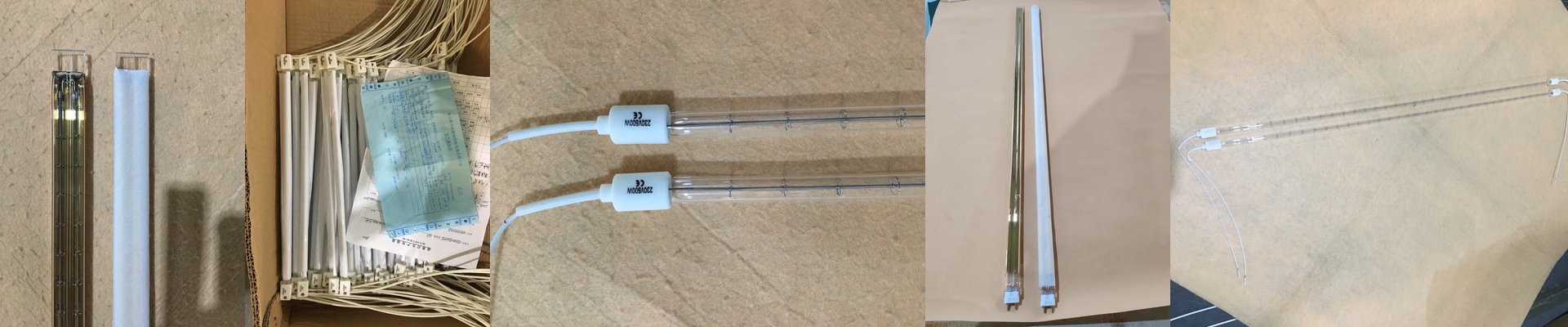
It usually comes down to the glass. Cheap quartz is full of impurities. When things get hot—and we’re talking really hot—those impurities move around. They eat away at the filament until it thins out and snaps. We use high-purity quartz instead. By getting the vacuum and gas fill just right, we keep the filament from oxidizing. The result? You’re looking at replacing your lamps once a year instead of every few months. It’s a huge relief not to have that “when is this going to blow?” anxiety hanging over the shop floor.
Getting the specs right
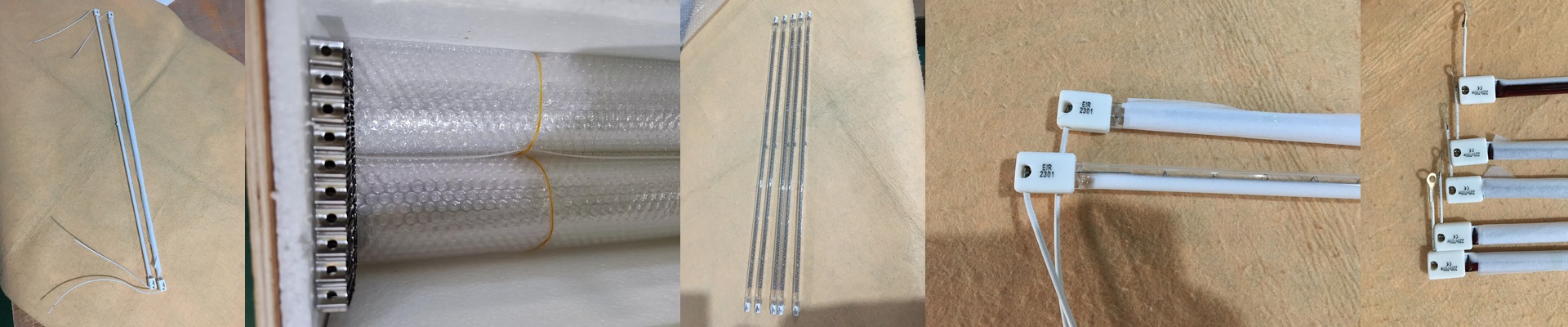
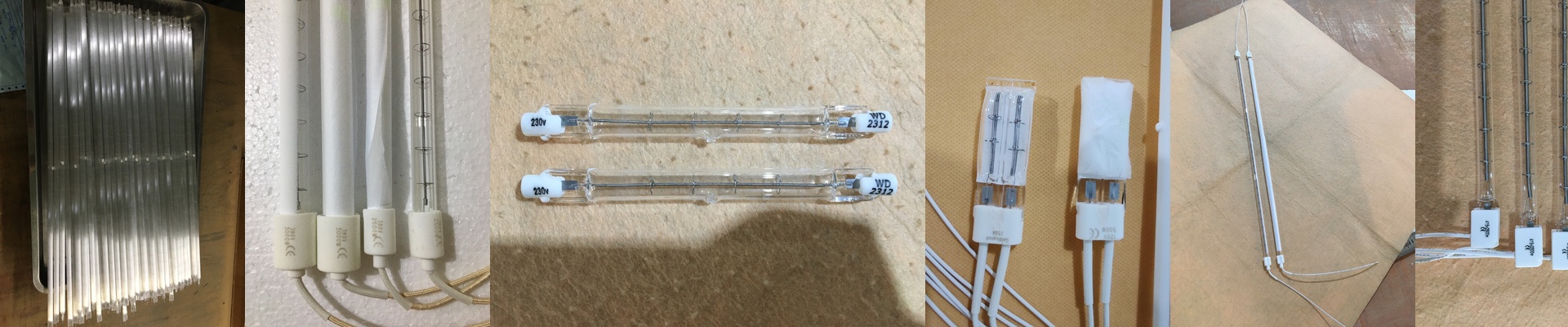
A lot of people just look at the wattage, but that’s a mistake. What actually matters is heat density. If you push a lamp to its absolute limit, the ends take the brunt of the stress and fail first. We calibrate our voltage and wattage so the heat spreads evenly across the whole tube. No “hot spots,” no warped glass. But here is the catch: you have to match your power supply exactly. If you try to “cheat” a 230V lamp by over-volting it just to get a bit more heat, you’ll kill the filament in a couple of weeks. Don’t do it.
Making it work in your shop
These are drop-in replacements. We use standard industrial connectors, so you aren’t spending your afternoon fighting with wiring. It’s pretty straightforward. Now, there is a trade-off. Because these lamps are built for stability, they need a bit more care. You can’t just flip a switch and hope for the best. You’ll want a stable PID controller to manage the temperature. If you cycle the power on and off too fast, the thermal shock can crack the quartz—no matter how high the quality is. Treat them with a little respect, and they’ll take care of you.