Stop Guessing With Your Powder Coating Heat
For a long time, powder coating heaters—whether they’re on a countertop or a full line—have been pretty “dumb.” You’ve got your tubes, you flip a switch, they get hot, and you pray for the best. But things are changing. We’re finally moving toward systems that actually tell us what’s happening inside the oven in real-time.
The Problem With “Set It and Forget It”
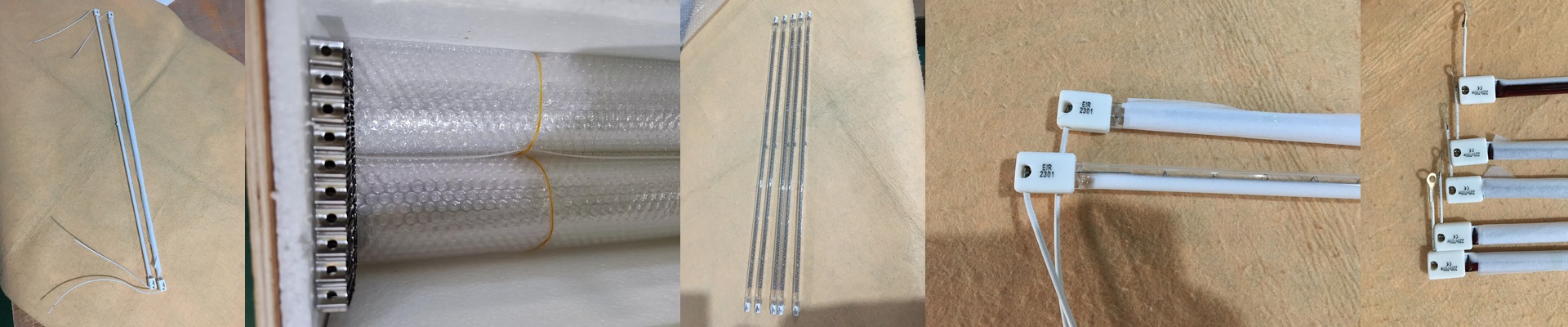
Here is the thing about standard infrared tubes: they wear out. You might start with a lamp at 2500W, but after a few thousand hours, that output starts to dip. The scary part? You can’t see it happening. You just notice that your parts aren’t curing right or, worse, you end up scrapping a whole batch because the heat wasn’t where it needed to be. It’s a guessing game. And in a production shop, guessing is expensive. Now, imagine if those lamps could actually talk to you. We’re talking about sensors built right into the circuit. These lamps can report their own current draw, the surface temp, and exactly how long they’ve been running. When that data hits your controller, the guesswork vanishes. You’ll know a tube is about to quit before it ruins your day.
The Trade-off (Because Nothing Is Free)
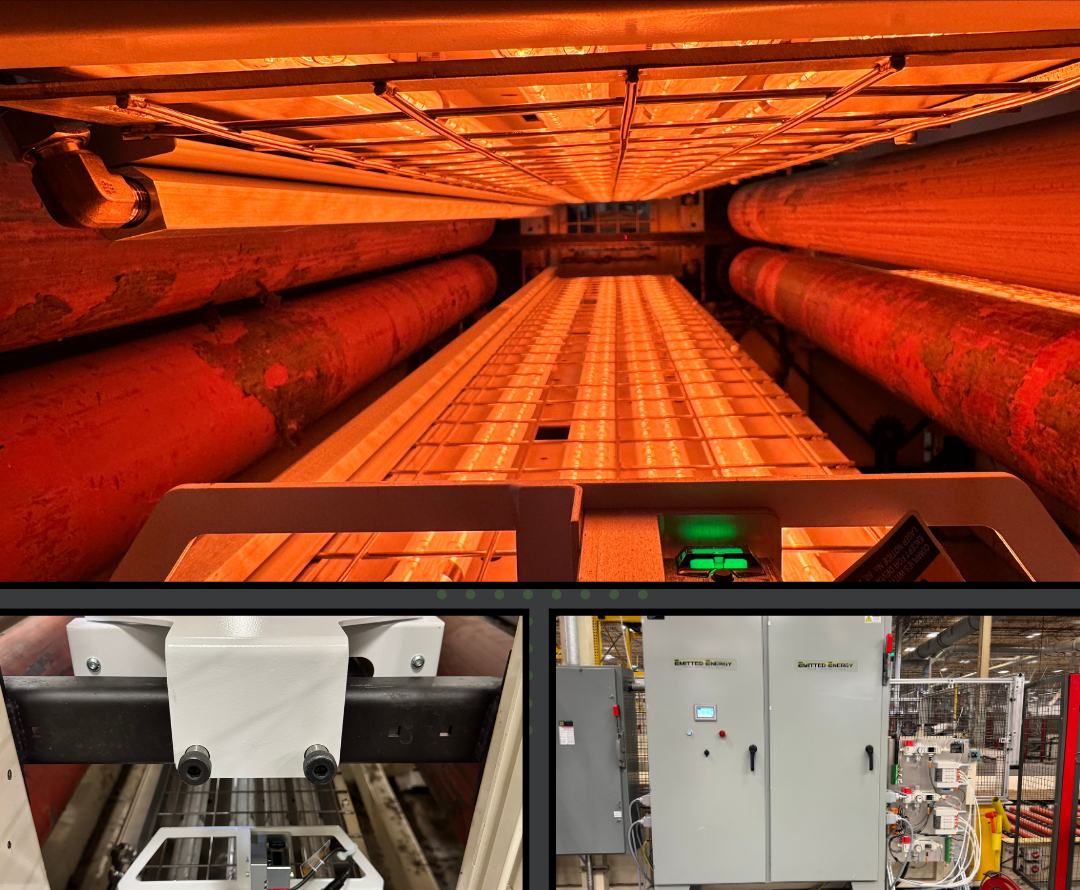
Now, let’s be real: putting electronics in a high-heat oven is a nightmare. You can’t just toss a computer chip in there and hope for the best—it would melt in seconds. To make this work, we have to use shielded cabling and remote modules to pull the data away from the heat. Does this make the wiring a bit more complex? Yeah, it does. You can’t just use a basic relay anymore; you’ll need a controller that speaks Modbus or MQTT. Your control panel might take up a bit more room, too. But honestly? A slightly bigger control box is a tiny price to pay for never having unexpected downtime again.
Smarter Maintenance, Better Results
This is where it gets really satisfying. When your heating line is networked, you can stop doing “calendar maintenance.” You know the drill—replacing every single tube every six months just because the manual says so, even if some of them are still perfectly fine. That’s a waste of money. With a smart system, you only swap out the ones showing a voltage drop. It keeps your heat density consistent across the whole conveyor. Every part gets the exact same cure, every single time. It just makes sense.