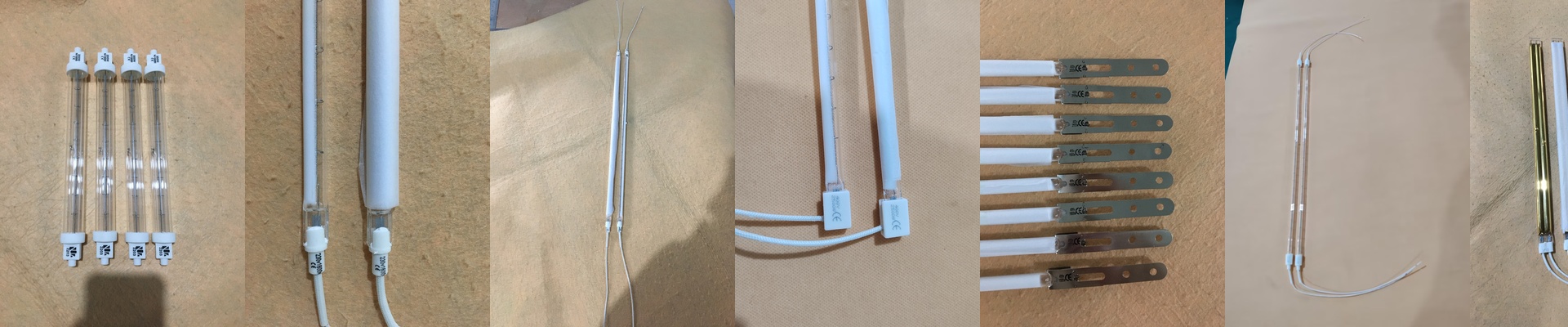
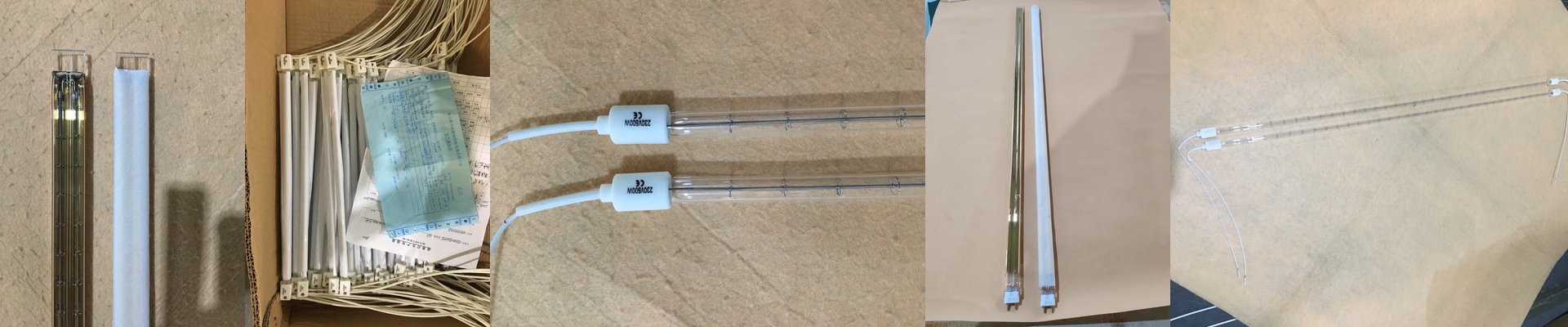
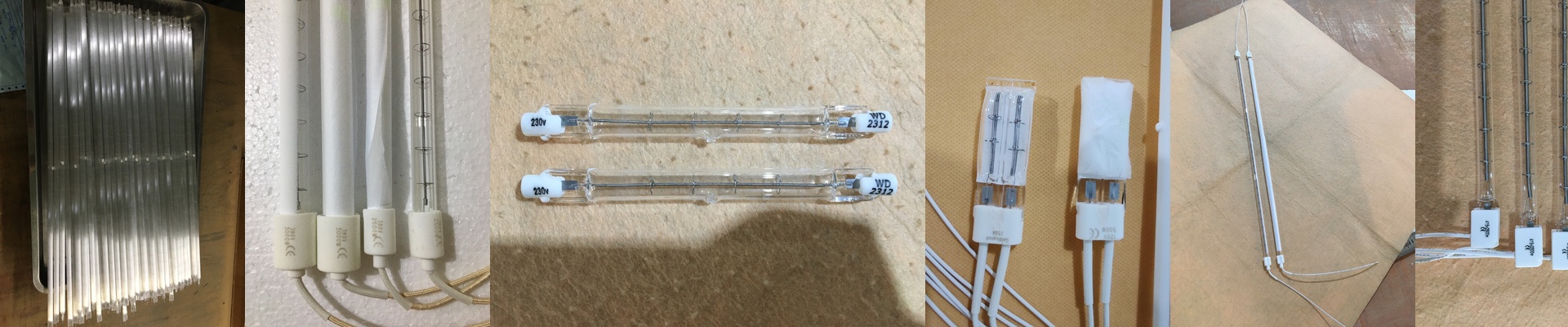
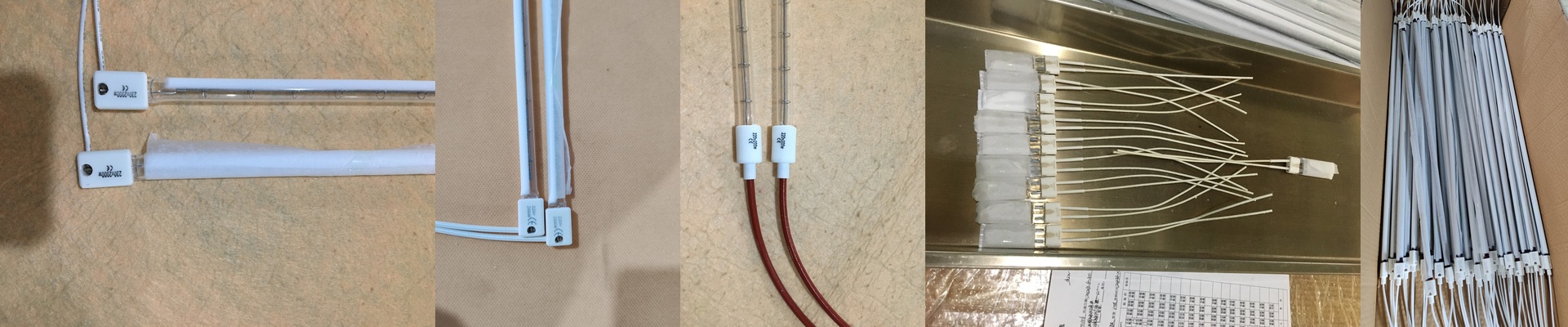
Stop Treating Your Infrared Lamps Like Disposable Trash
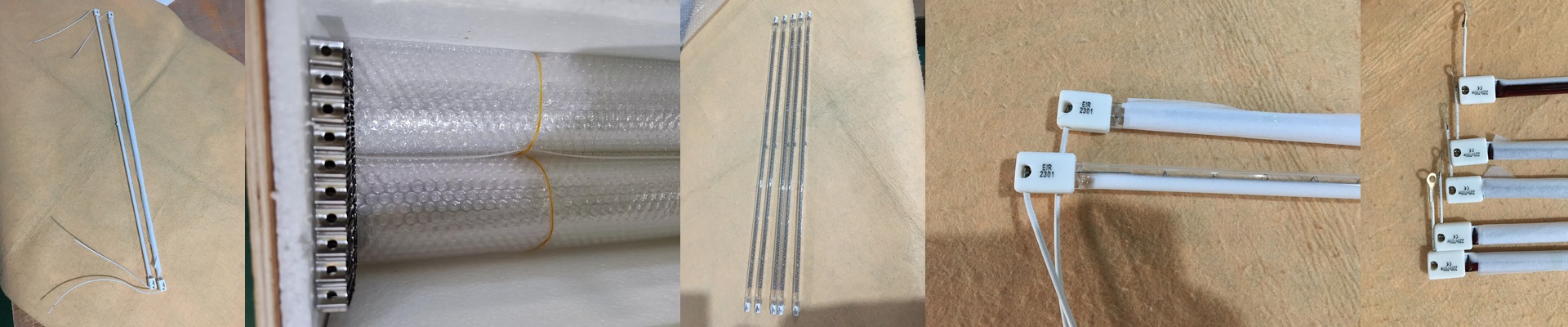
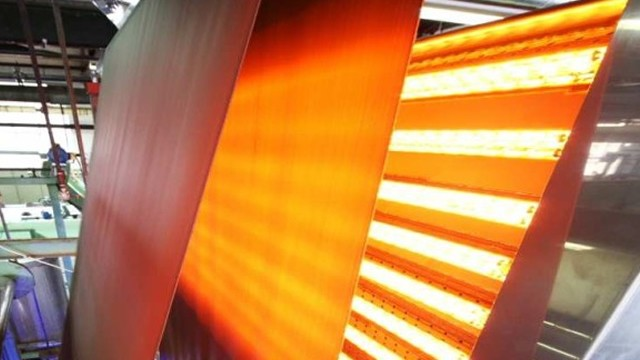
In most textile curing lines, heating lamps are treated like lightbulbs in a cheap hotel—you just swap them out the second they flicker and toss the old ones in the bin. We’re over that. If we actually want to hit zero-waste goals, we have to stop the cycle of “buy, burn, replace.” It’s about building something that actually lasts. Why do most lamps die? Usually, it’s just basic physics. The filament degrades or the heat expands unevenly, and pop—there goes your production line. We tackle this by using high-purity quartz glass and a very specific halogen gas fill. It keeps the filament stable so the tungsten doesn’t evaporate nearly as fast. Plus, when you get the voltage and wattage in a healthy balance, you stop stressing the emitter. The result? Your heat stays consistent for thousands of hours. You aren’t fighting a steady drop in performance every few months. The “Inside-Out” Approach We lean heavily on shortwave infrared (SWIR). Here’s why: it sinks deep into the fibers. Instead of just scorching the surface while the middle stays damp, it dries the fabric from the core outward. We also reinforced the end-caps. In a loud, vibrating factory, loose connections are a nightmare. These hold tight. But a heads-up: these tubes put out a massive amount of heat. If your housing ventilation is garbage, you’re going to fry your wiring regardless of how fancy the lamp is. Make sure your airflow is dialed in. Less Junk, Less Headaches Replacing a lamp every ninety days creates a mountain of quartz and metal waste. It’s a mess. By using better materials and extending the duty cycle, we just… stop doing that. You spend less time tearing down machinery and less money paying for crates of replacements to be shipped to your door. It’s a simple shift. Build the gear to take a beating, and the waste takes care of itself. That’s how we actually make textile production sustainable.