Why Most IR Lamps Die in Textile Shops (And How to Fix It)
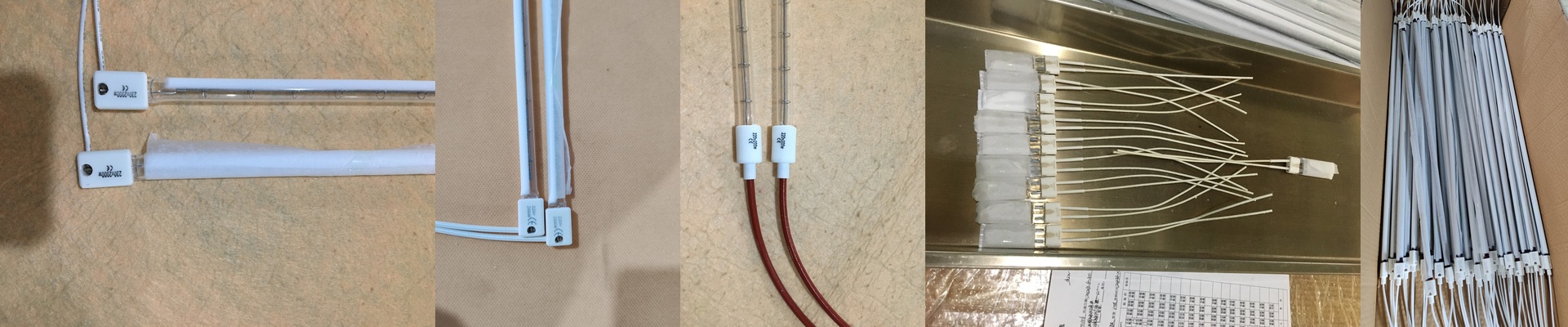
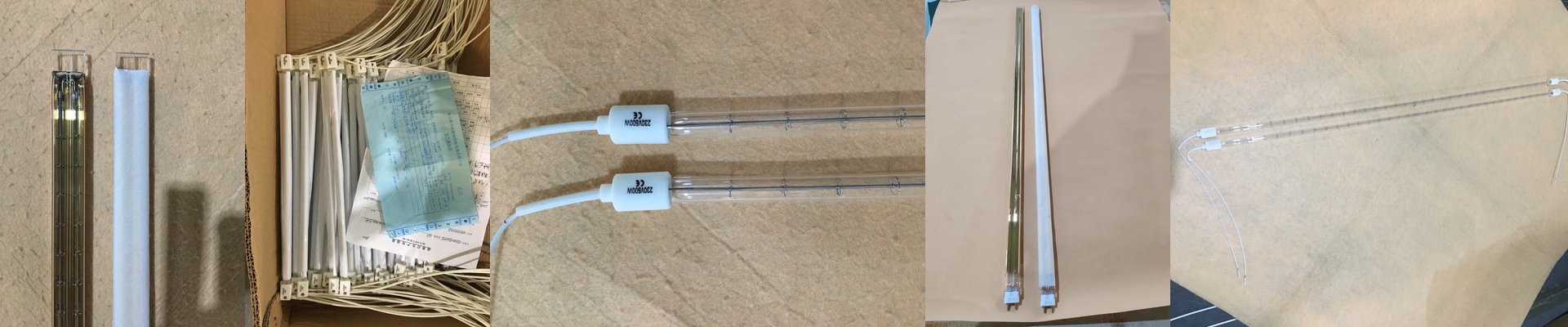
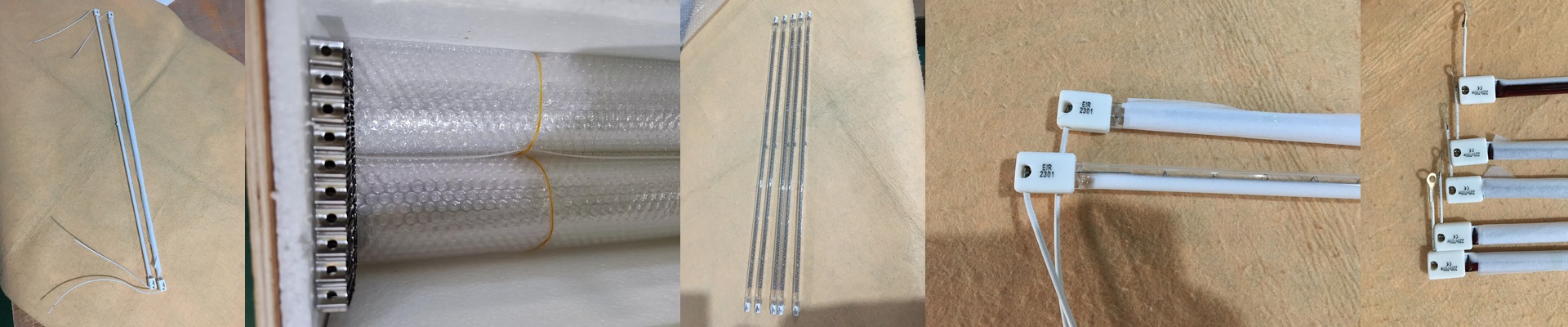
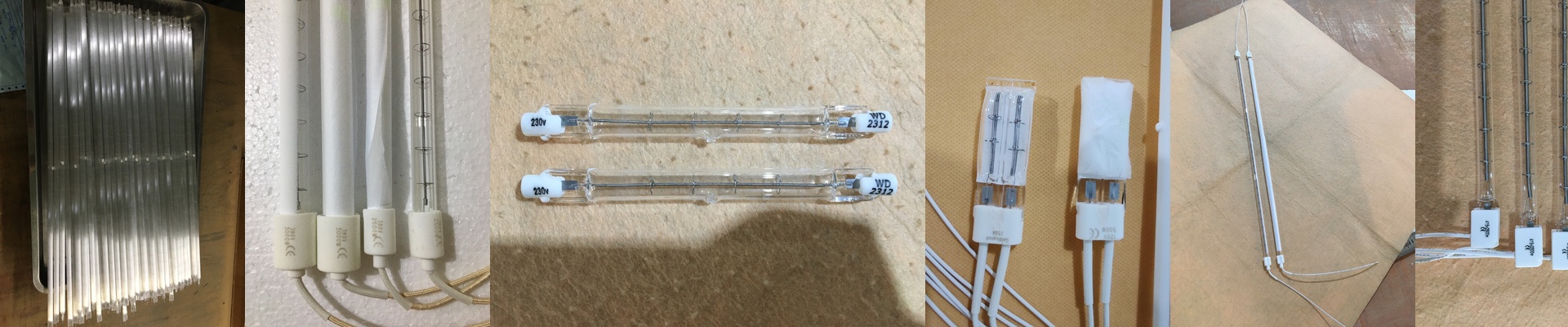
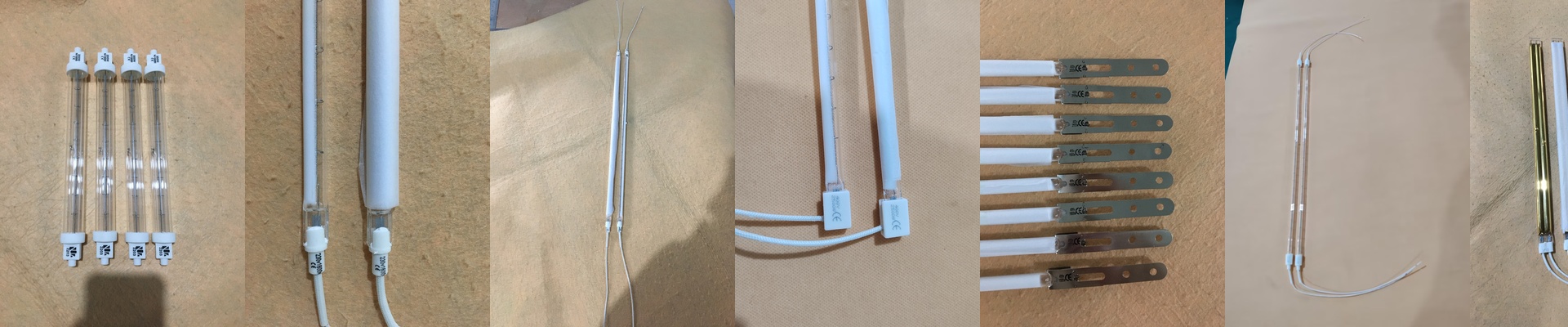
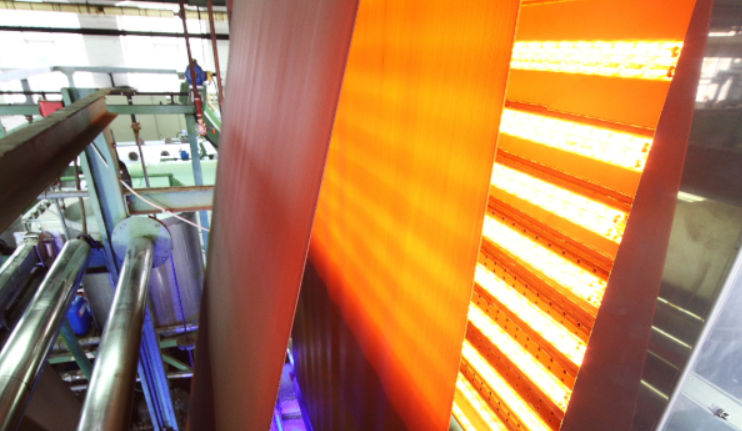
We spent some time visiting about 2,000 printing and dyeing workshops. We wanted to know why the standard IR lamps everyone buys usually fail the moment they hit a real production line. The truth? These shops are brutal. You’ve got thick humidity, chemical fumes everywhere, and machines that never stop vibrating. Most lamps just aren’t built for that kind of chaos. They aren’t designed for the actual footprint of a textile dryer, so they burn out. Fast. The struggle with heat and voltage Here’s the thing: in textile work, you need to flash-dry ink or set dyes without accidentally scorching the fabric. We noticed that standard voltage usually isn’t enough for those long-tube setups. When you push the voltage higher, you can actually lower the current draw for the same amount of power. This is a huge win because it keeps your wiring cool. No more melting sockets during a 24/7 run. If you try to run a high-wattage tube on low voltage, you get a massive voltage drop. That means some spots get hot and others don’t. Not ideal when you’re looking for a consistent finish. Picking the right gear Quartz glass is the starting point, but the coating is where the magic happens. We use specific coatings to change how the heat hits the fabric. Shortwave IR digs deep into the material, while medium-wave stays on the surface for a quick dry. We stick with R7s and Sk15 connectors. Why? Because they just fit. They slide right into most industrial frames without a fight. More importantly, they handle the way quartz expands when it gets hot. If a connection loosens, you get an arc. And an arc will kill your lamp instantly. The trade-offs you need to know High-density lamps put out a ton of heat, but they’re only as good as your reflectors. If your reflectors are pitted or oxidized, you’re basically wasting 30% of your energy by heating the ceiling instead of the fabric. Plus, you have to keep an eye on your conveyor speed. If the fabric crawls too slowly under that kind of heat, your synthetic fibers will warp. It’s simple, really. Keep your reflectors clean, wire it up right, and your lamps will actually last as long as they’re supposed to.