Getting the Heat Right for Your MS JP7
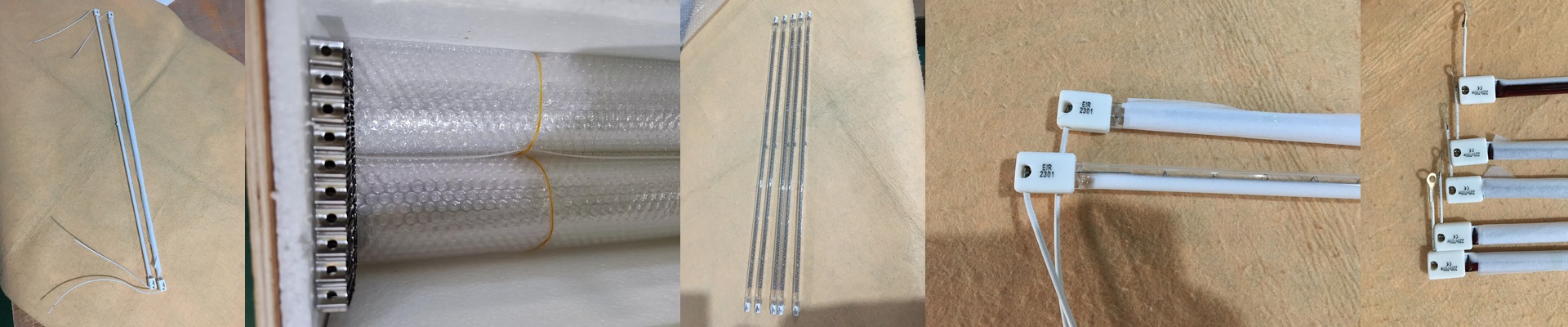
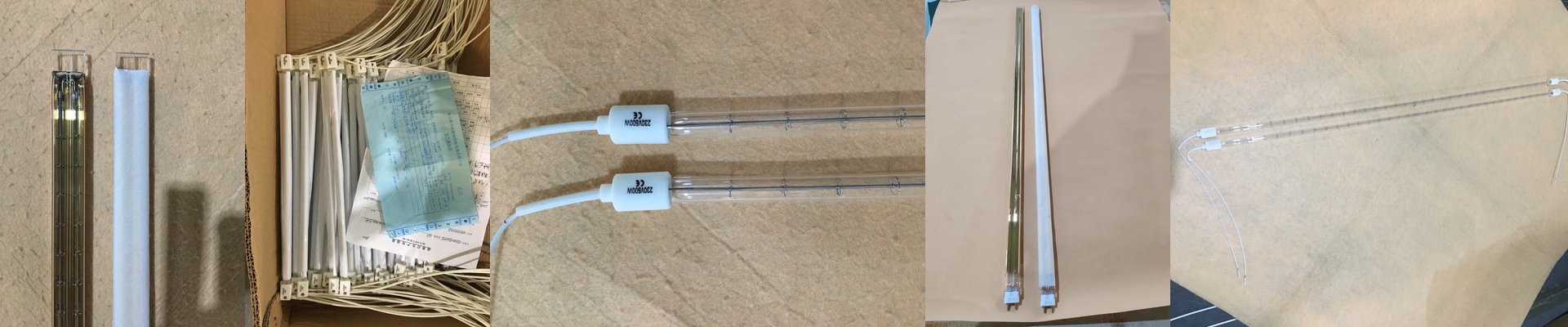
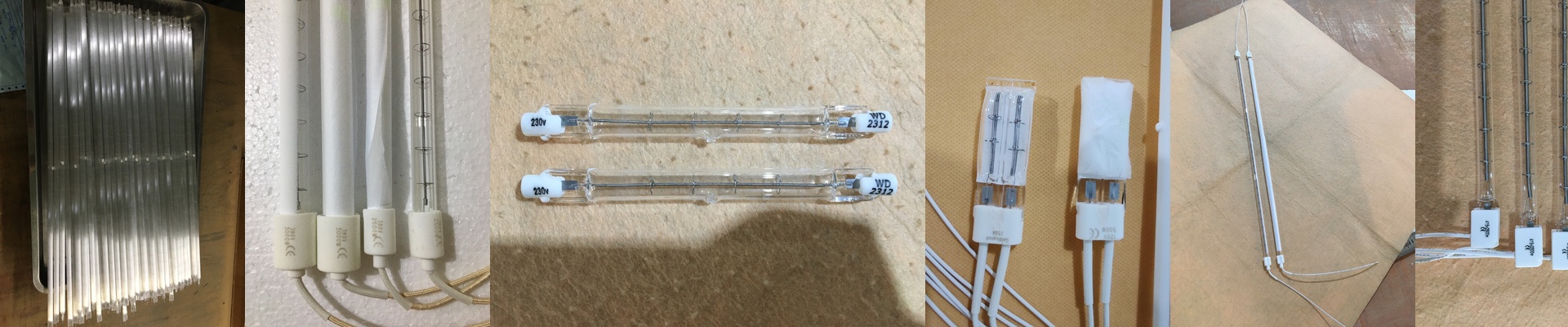
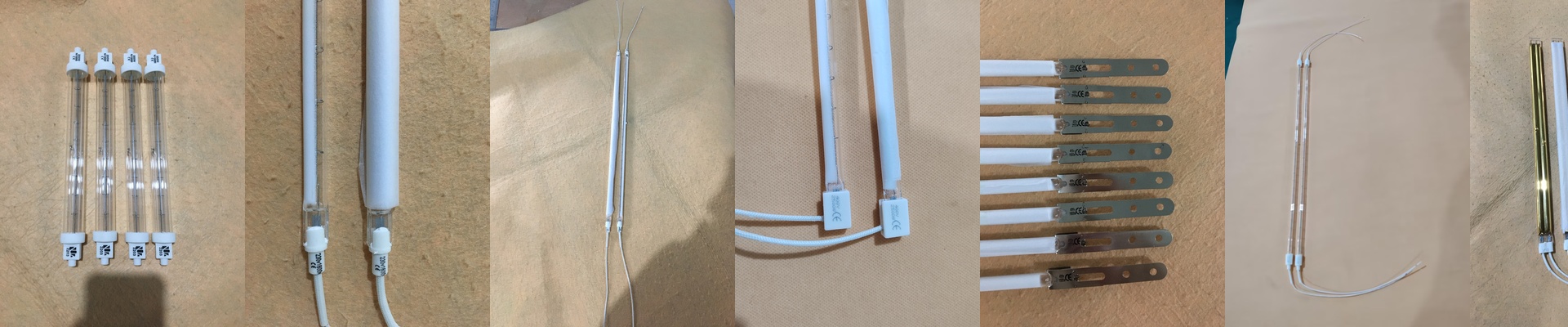
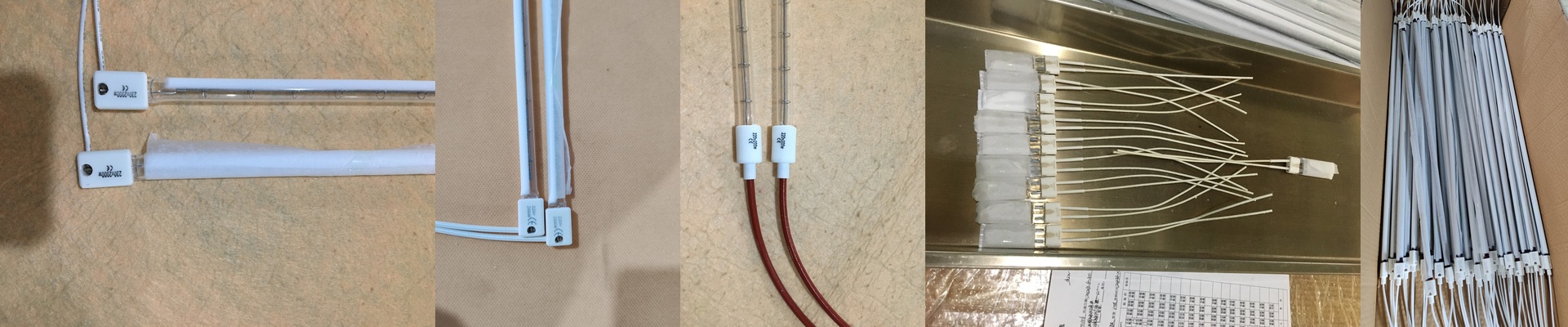
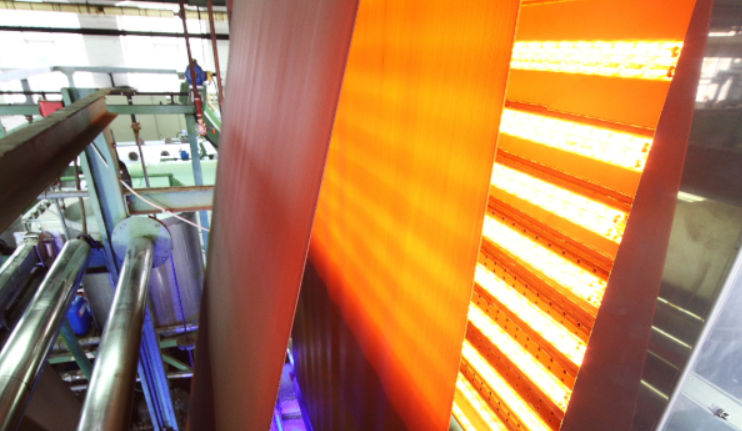
If you’re looking for an IR lamp for your MS JP7, don’t just grab a generic part off a shelf. It doesn’t work that way. You’ve got to look at your fabric weight and how fast your line is moving, then match the wavelength and power density to that specific setup. We don’t just sell you a tube and wish you luck. We look at the actual thermal load so your process doesn’t hit a wall. The Balance of Power Getting the wattage and voltage right is the only way to stop those annoying cold spots from popping up across your curing width. Now, high-wattage lamps are great—they give you that fast ramp-up you need for synthetic blends. But there’s a catch. When you cram more power into a shorter tube, you crank up the heat density. That puts a lot of stress on your reflectors. If those reflectors are pitted or oxidized, you’re just wasting energy instead of pushing it into the material. It’s a waste of money and time. The Hardware Side of Things We use high-purity quartz envelopes because they can take the hit of frequent cycling without cracking. These lamps use standard industrial connectors, so they just slide right in. One thing to watch: make sure the fit at the terminals is tight. If it’s loose, you get arcing, and that’s usually why lamps burn out way too early in a textile shop. We also obsess over the seal between the lamp and the holder. Why? Because lint and fabric dust love to get in there and ruin the quartz. Real-World Setup When the lamp fits the MS JP7 footprint perfectly, your temperature stays steady. But before you jump to higher-wattage lamps, check your power supply. And a word of caution: if you pump in more heat without checking your cooling fans or vents, you’re asking for trouble. You could warp the machine frame or fry your sensors. We’ll give you the exact specs you need. That way, you can wire it up and hit your target temperature without having to guess.