Getting the Heat Right for Your Reggiani Gear
Let’s be honest: “Textile 4.0” sounds like a marketing buzzword. But in the real world, it’s really just about precision. When you’re running Reggiani printing and finishing lines, the line between a crisp, perfect print and a blurred disaster is basically just how you handle your heat. We don’t just ship you a box of lamps; we help you figure out the exact thermal profile you need to keep things running smooth.
Why Shortwave IR Actually Works
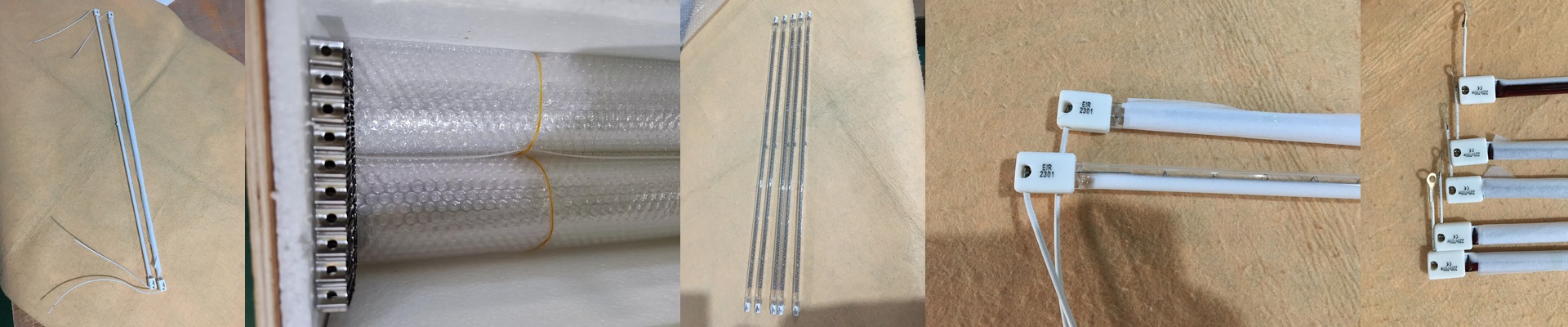
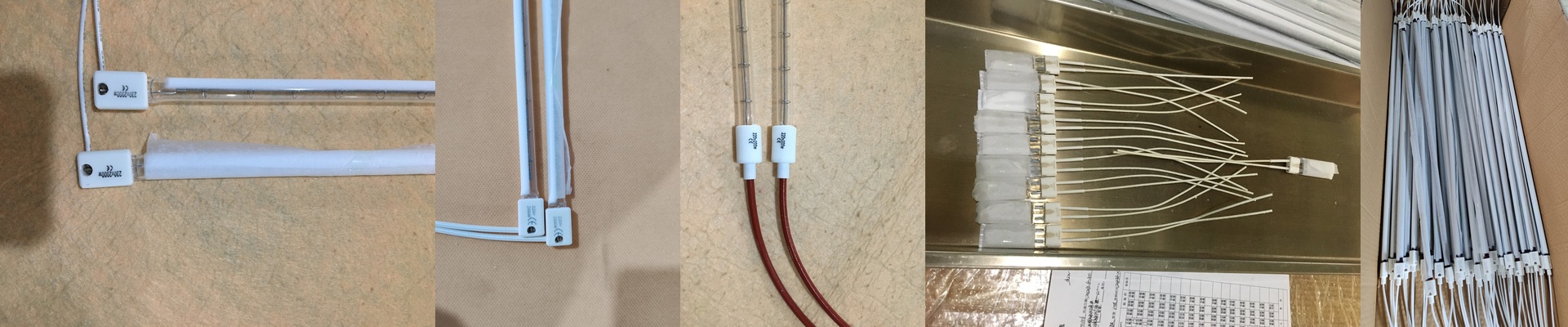
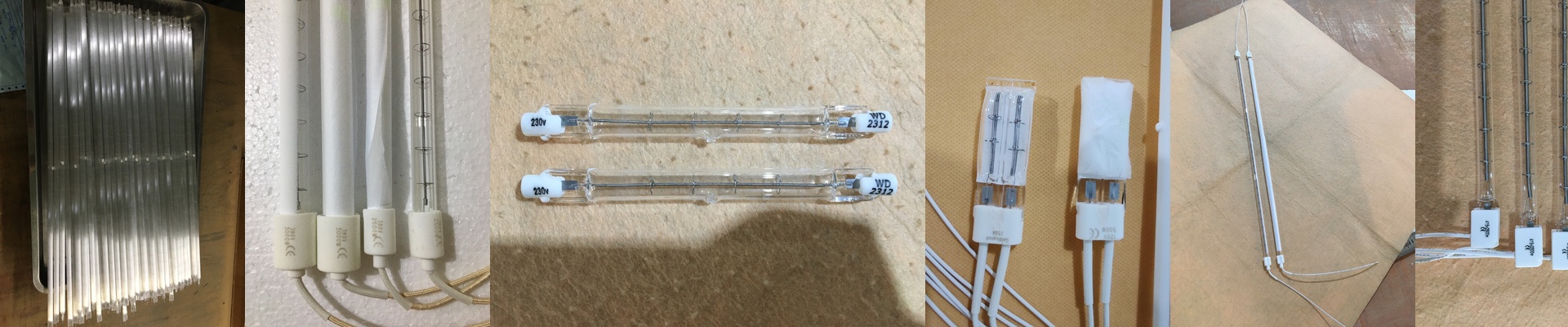
We lean heavily on shortwave infrared (SWIR) emitters for Reggiani setups. Here is why: these lamps hit the fabric fast. Unlike longwave heat—which mostly just warms up the air around the machine—shortwave energy punches right through the fabric and the ink layers. It’s direct. It’s efficient. And it means you can crank up your line speed without worrying about whether the center of the fabric is actually dry.
The Trade-offs You Need to Know
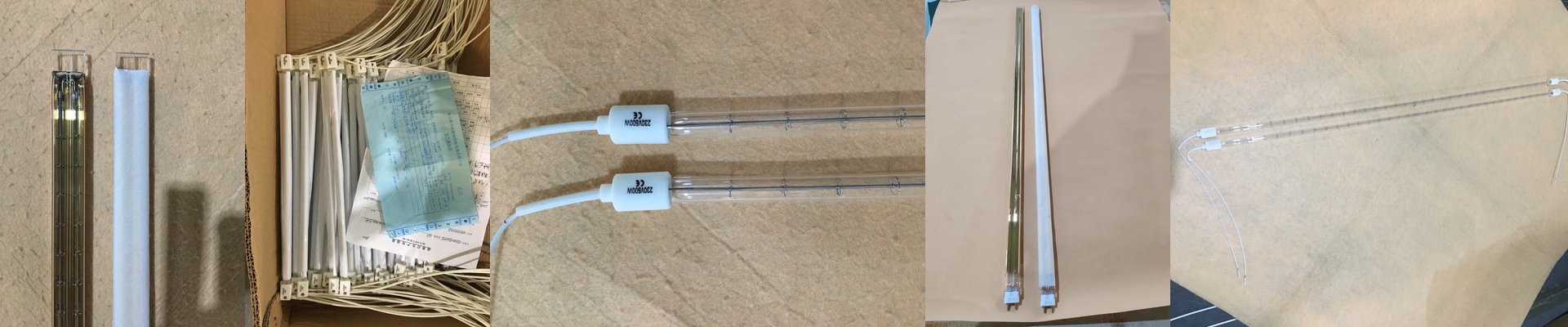
We usually go with high-wattage quartz tubes to keep the footprint small. But there’s a catch. If you push for too much heat density—basically jamming too many watts into a few centimeters—you’re asking for “hot spots.” If a lamp is slightly off-center or your reflectors have some pitting, you’ll burn a hole right through your fabric. It’s a balancing act between your wattage and how fast that conveyor is moving. To keep things from burning out, we use halogen-filled quartz. The halogen cycle basically grabs evaporated tungsten and puts it back onto the filament. It keeps the output steady. If you try to save a few bucks with a cheap, non-halogen replacement, you’ll notice the heat dropping off after a few hundred hours. Then your colors start shifting, and suddenly you’re wasting material.
Keeping it Running
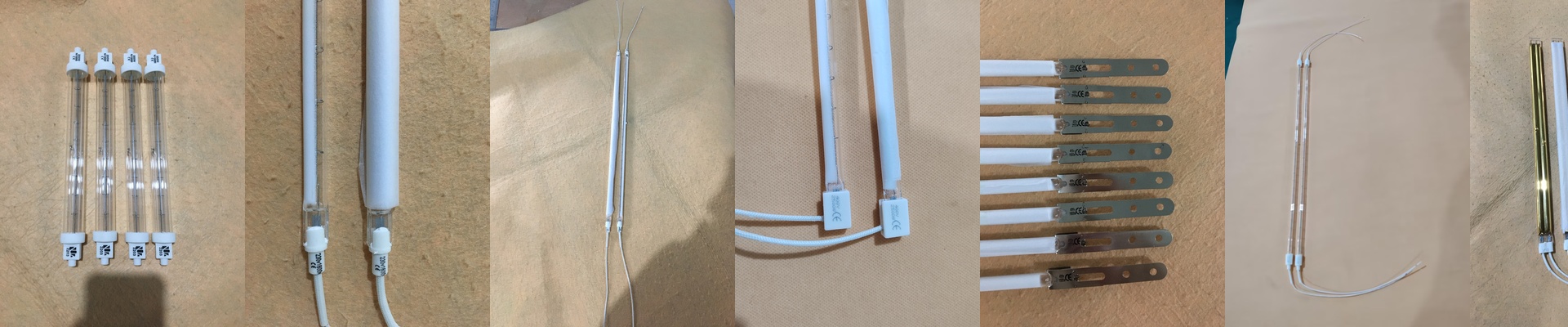
We build these to be easy drop-in replacements. Whether you’re using R7s or something more specialized, the fit has to be spot on. A loose connection at the terminal isn’t just a nuisance—it creates resistance. Resistance creates heat. And that heat will melt your socket. Not a great way to spend a Tuesday. The secret to a long life for your lamps is simple: wire it up tight, keep those reflectors sparkling clean, and keep an eye on your voltage. If your power supply is jumping all over the place, your lamps are going to pop. Stable power. Stable heat. That’s the whole game.