Getting Your IR Heat Just Right
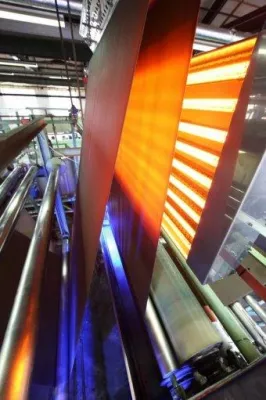
When you’re running a textile drying or curing line, you’re walking a thin line. Too little heat and the fabric stays damp. Too much? You’ve just scorched a hundred yards of material. The real trick is the energy density. If you’re swapping out an old OEM lamp, you probably only care about one thing:Does the new one put out the same heat per centimeter as the old one? That’s where we come in. We build our lamps to hit—or even beat—the thermal profiles of those big-name global brands you’re used to.
The Deal With Power and Voltage
Most textile setups use high-wattage quartz tubes. If you’re on a 400V system, you’re likely trying to cram a lot of heat into a small space so you can crank up the line speed. It works. But there’s a catch. Pushing that much wattage into a tiny tube puts a lot of stress on the quartz. If your power supply isn’t stable, those voltage spikes will eat your filament for breakfast.Keep your power steady, and your lamps will last much longer.
No Rewiring Required
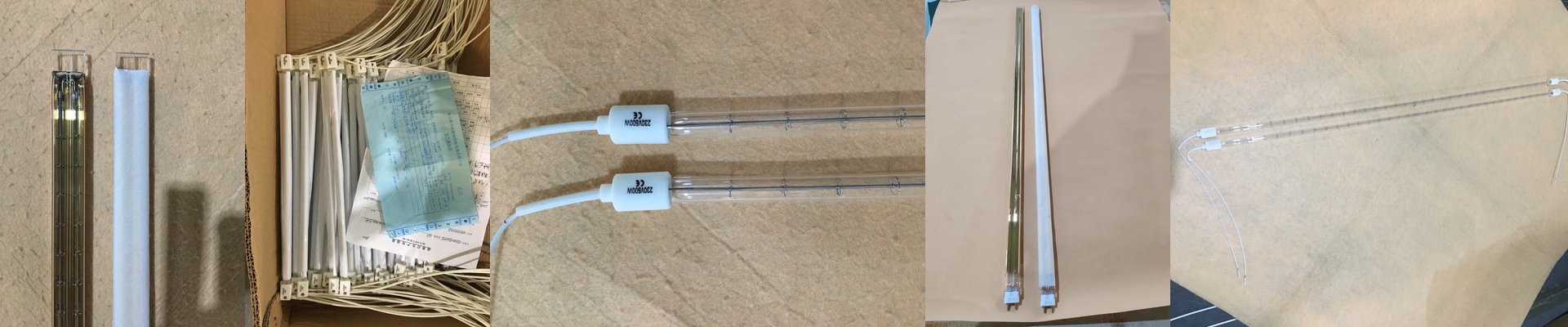
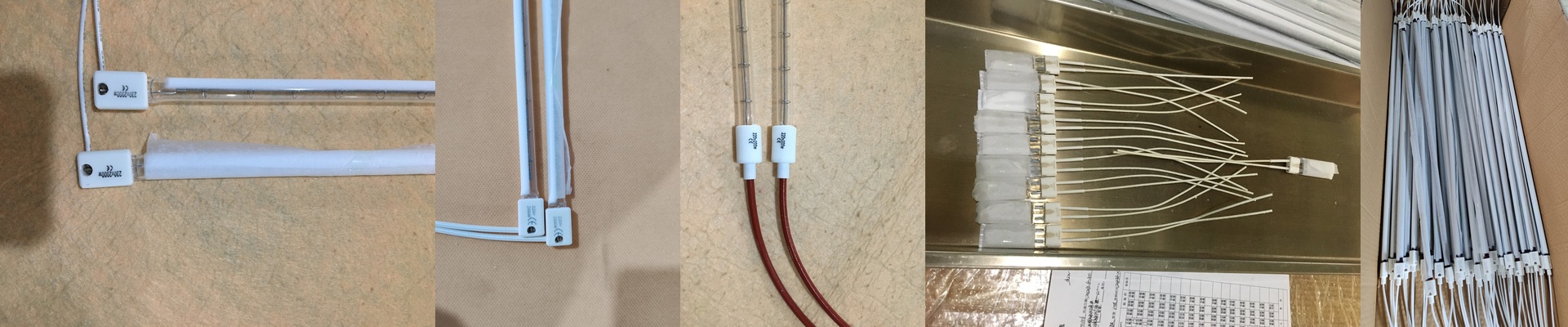
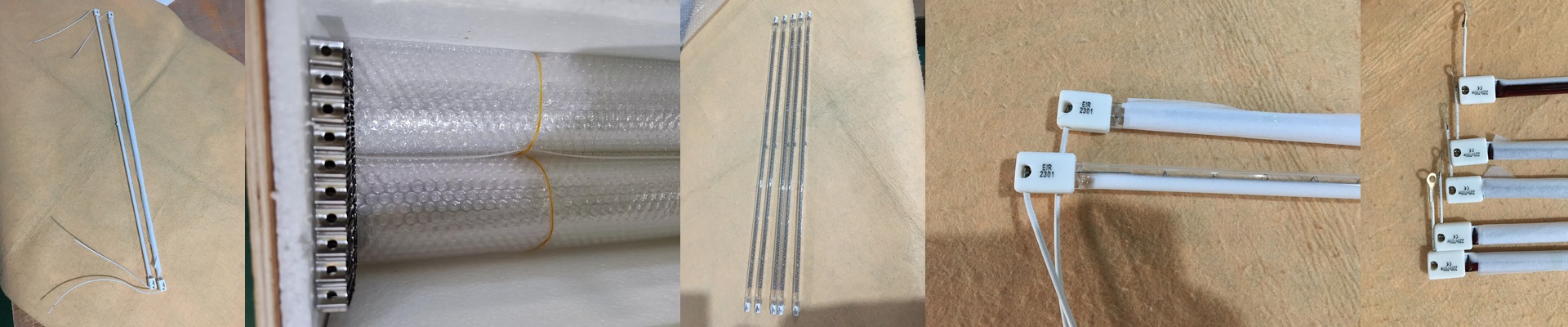
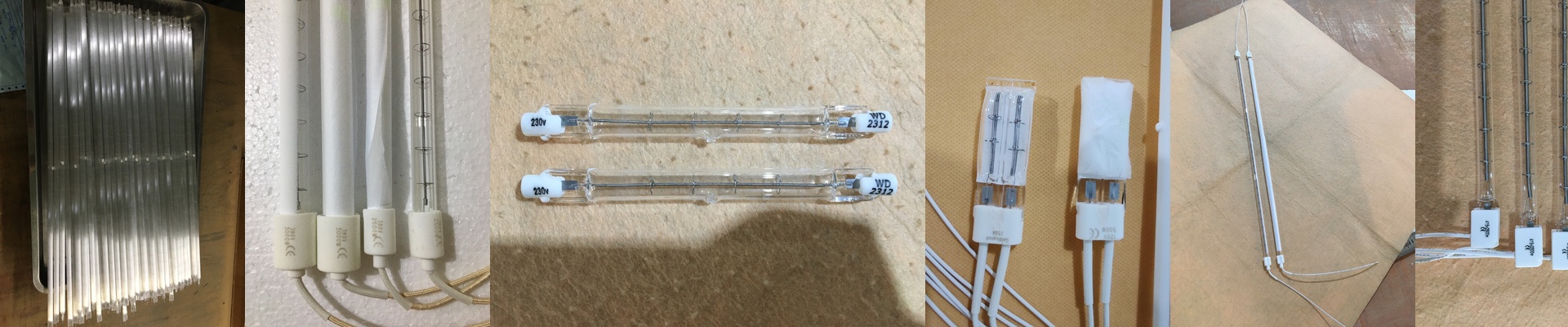
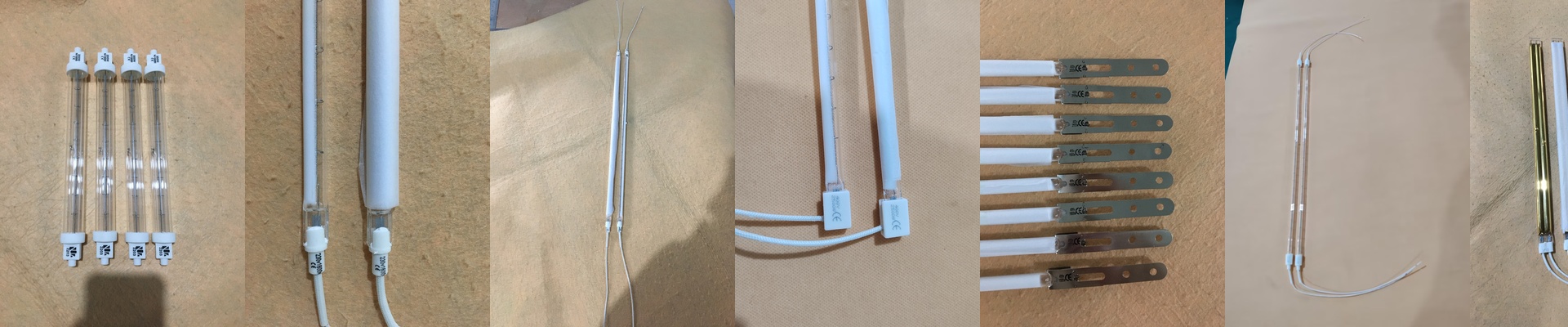
We use high-purity quartz glass because it lets the IR energy through without fighting it. For curing, we add halogen cycles to keep the filament from burning out too quickly. And don’t worry about the installation. Whether you need R7s or Sk15 connectors, our lamps are designed to be drop-in replacements. You just snap them into the existing sockets and you’re back in business. No electricians, no rewiring the whole heating bank, no headache.
Real-World Performance
We’ve engineered these to match the spectral output of the most expensive lamps on the market. In fact, if the heat doesn’t hit your benchmark, we’ll refund the price difference. Simple as that. One quick tip: high-output lamps throw off a lot of waste heat. If you decide to bump up the wattage to speed up your production,double-check your reflector alignment. If the reflector is off, you’re just wasting energy and risking a warped machine housing. We handle the raw physics of the heat transfer so you can just focus on keeping the line moving.