Stop Treating Your IR Lamps Like Trash
In most textile plants, infrared lamps are treated like lightbulbs in a hallway—you just swap them out when they pop and throw the old one in the bin. It’s a waste of money, a waste of time, and honestly, a waste of quartz. We think there’s a better way to do this.
Why they actually burn out
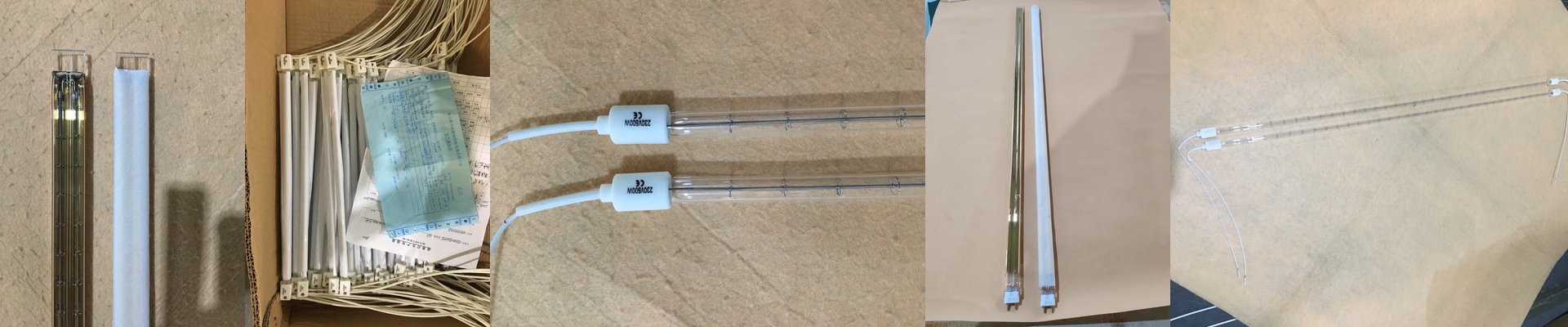
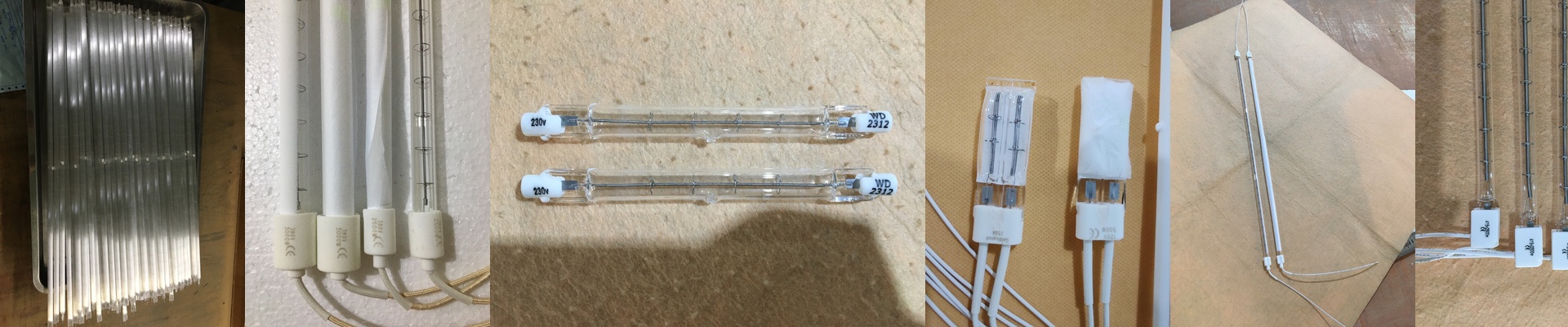
Most of the time, a lamp dies because the filament just gives up. It evaporates over time, gets a thin spot, and then—snap. To stop that, we use a halogen-filled quartz envelope. Think of it as a recycling system inside the glass. The halogen gas grabs that evaporated tungsten and puts it right back onto the filament. It keeps things sturdy. Then there’s the power balance. A lot of people try to cram too much wattage into a tube that’s too short. That’s a recipe for disaster. The filament runs way too hot, and it pops. We spend our time dialing in the voltage and wattage so you get the heat you need without cooking the lamp itself.
The gritty details
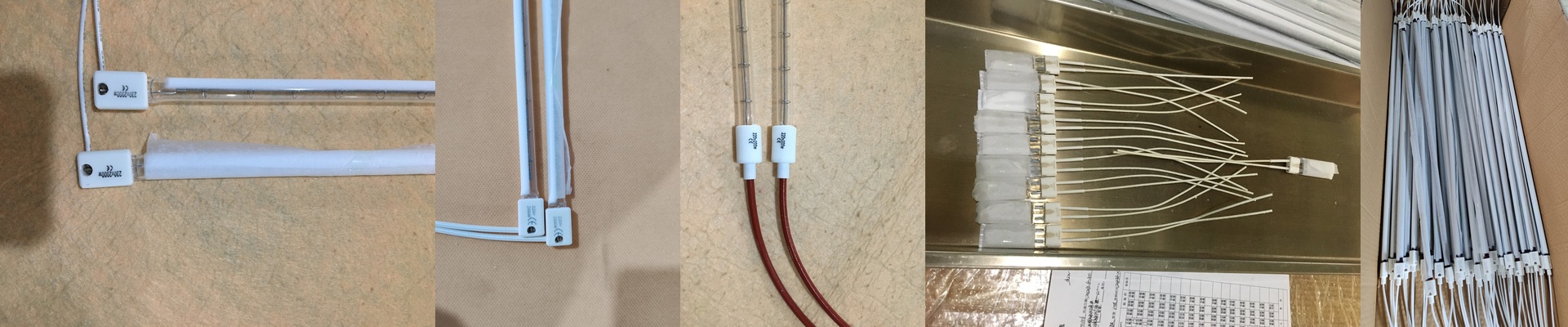
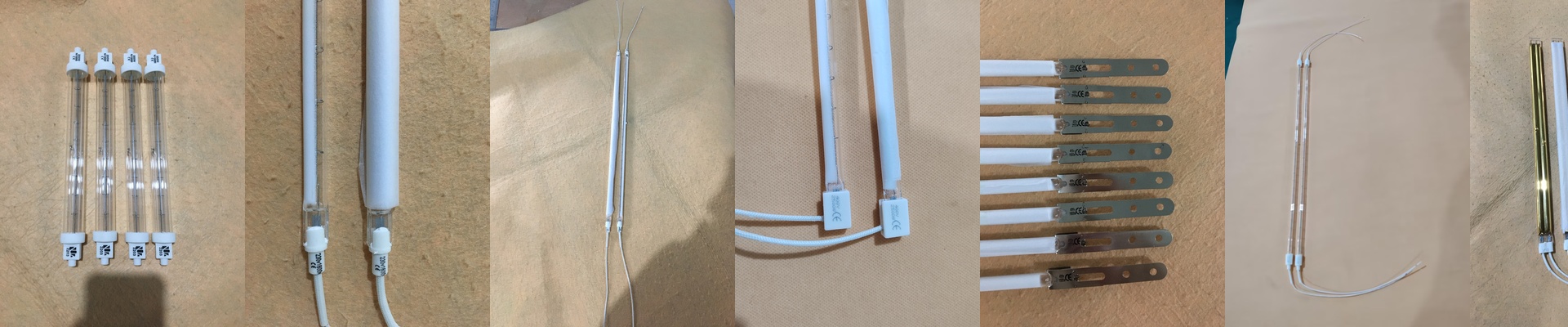
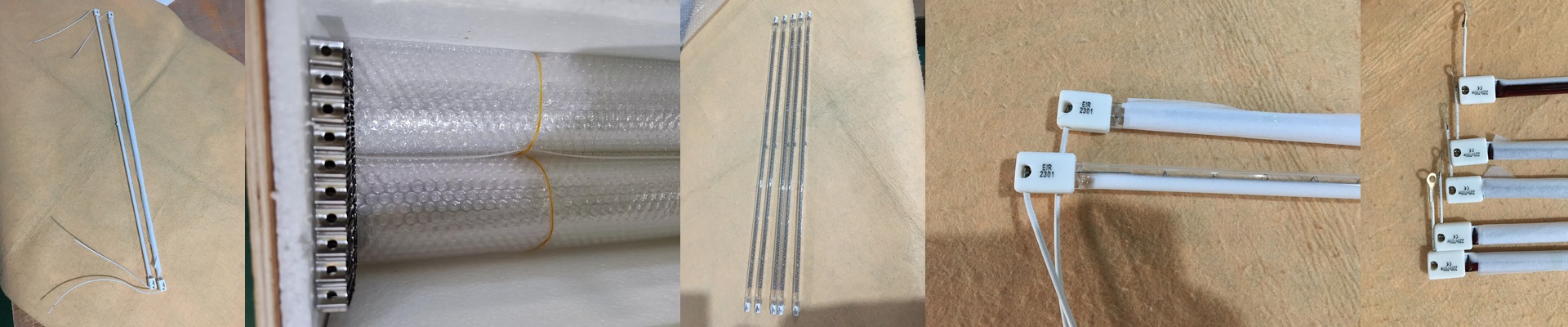
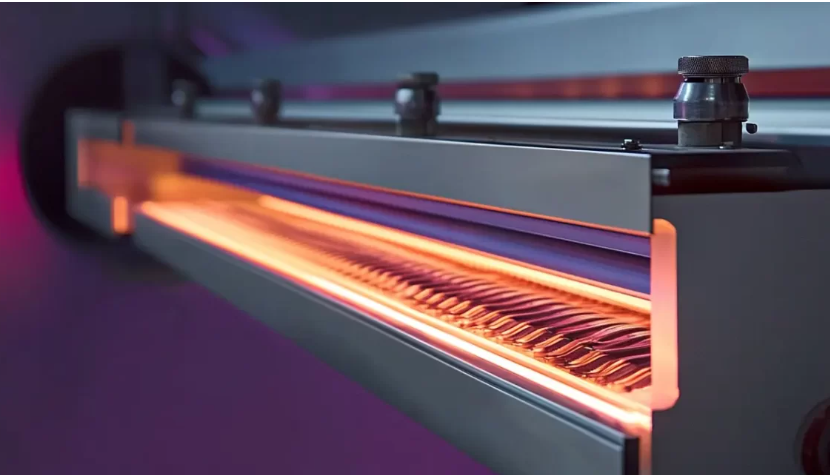
It’s not just about the glass and gas. The little things matter. We use reinforced end-caps and connectors that actually fit. Why? Because a loose connection causes arcing. If you’ve ever seen that little spark, you know it fries a lamp instantly. It’s frustrating, and it’s avoidable. We stick with shortwave IR because it’s fast. It hits the fabric hard and gets the job done quickly, which means you can move more material through the line. But here’s a heads-up: these high-intensity lamps are tough on your reflectors. If your reflectors are dirty or pitted, the heat bounces straight back into the lamp. It’s like trying to breathe in a room with no ventilation—eventually, the lamp just overheats and dies. Keep those reflectors clean.
Real sustainability isn’t a buzzword
Going “zero waste” doesn’t have to be complicated. It usually just means stop buying the cheap stuff. If a lamp lasts 10,000 hours instead of 2,000, you aren’t just saving a few bucks. You’re stopping your technicians from having to climb into a machine every few weeks. You’re cutting down on shipping boxes and landfill waste. The best part? These are drop-in replacements. You don’t have to tear apart your racks or rewire your whole line. Just swap them in and forget about them for a long, long time.