Getting Your Heat Right: A No-Nonsense Guide to Curing Lamps
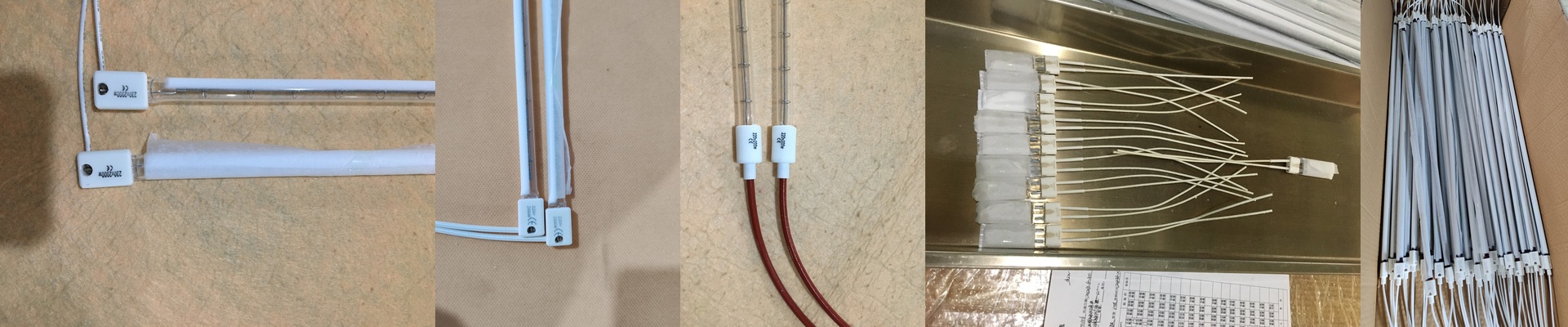
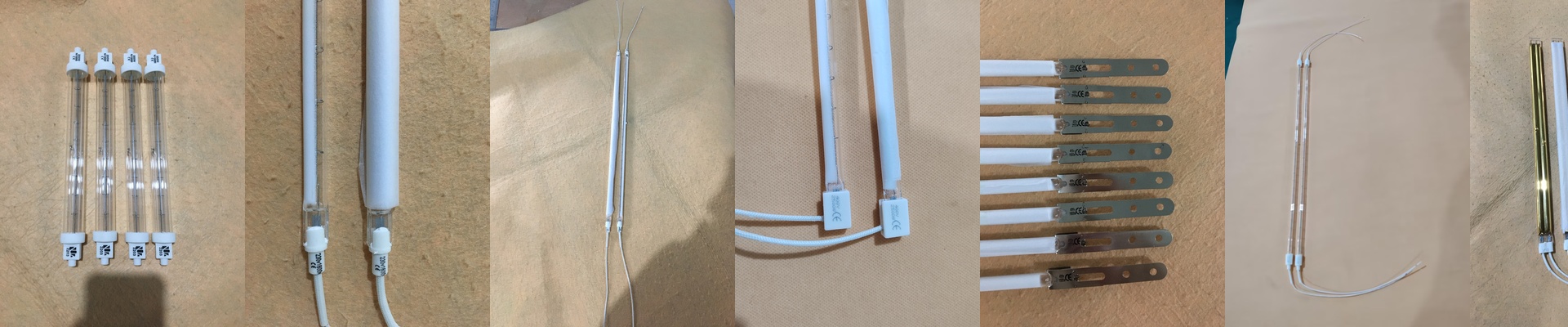
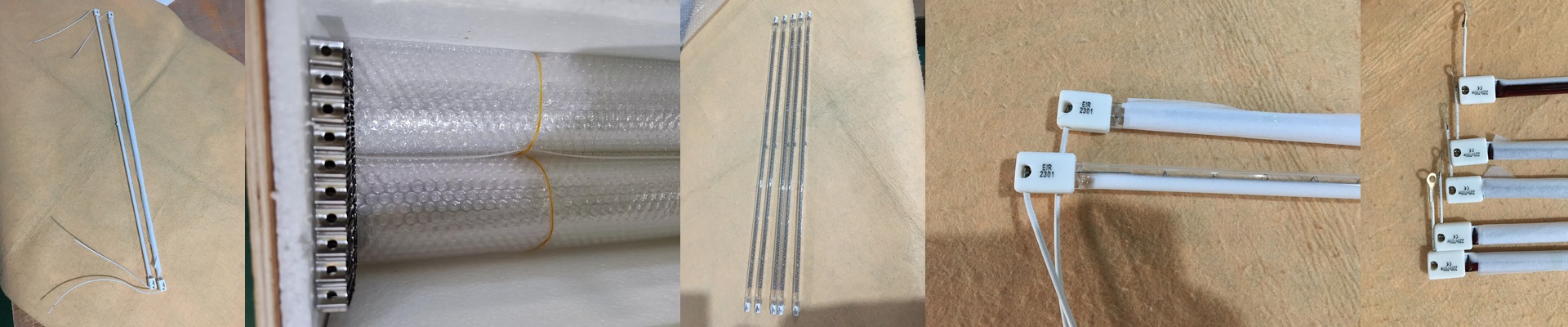
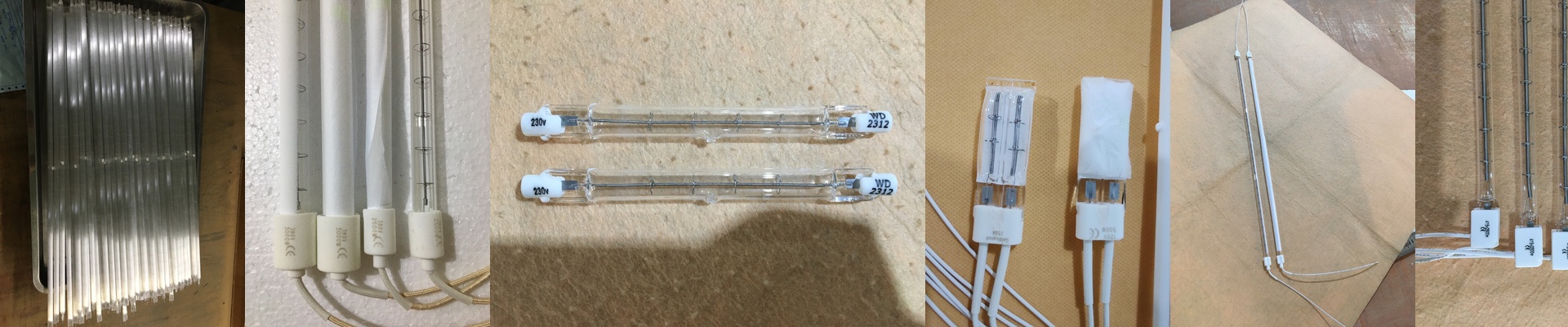
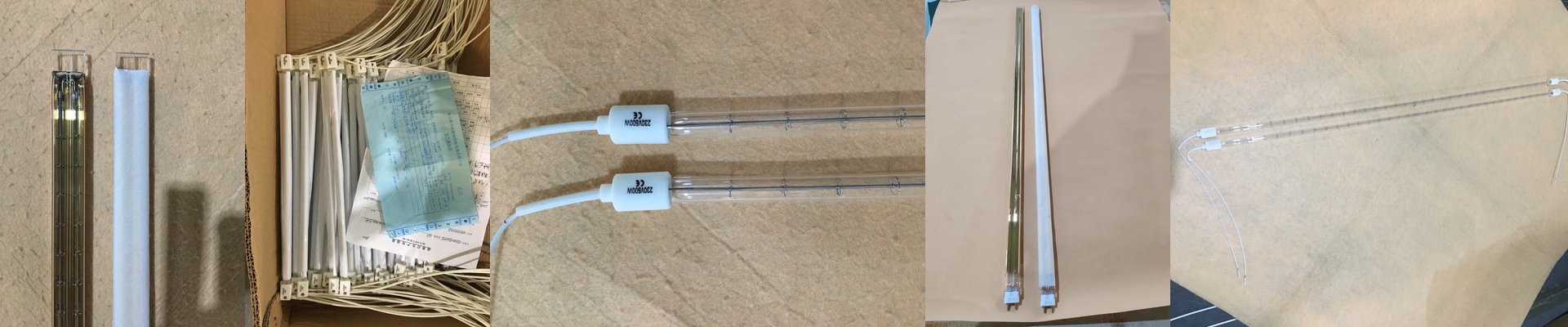
If you’ve ever scorched a batch of fabric or dealt with dyes that just won’t set, you know the struggle. It’s a balancing act. You need enough heat to get the job done, but not so much that you ruin the material. That’s where we come in. We don’t just ship you a box of tubes and wish you luck. We actually look at how fast your line is moving and how thick your fabric is to figure out exactly how much energy you need. The Deal with Power and Voltage Think of wattage and voltage as the “punch” your lamp delivers. If you cram a lot of wattage into a short tube, you get a concentrated blast of heat. This is great if you’re running synthetic blends that need to cure fast. Now, if you go with a 400V system, you’re getting a lot of power. Just make sure your electrical panels can actually handle it. Low-voltage setups are definitely safer and easier on the equipment, but they often struggle to get the fabric hot enough when the line is moving quickly. Built for the Heat We use heavy-wall quartz because, let’s face it, high heat makes cheap glass bow. It’s a nightmare to replace a warped tube. We also add a special coating to some of our lamps. Instead of just heating up the air around the fabric, this coating pushes the heat deeper into the fibers. It’s the difference between warming the surface and actually curing the material. As for the fit? We use R7s and SK15 connectors. They’re the industry standard for most European and Asian machines. They snap right in. No fuss, no fighting with the hardware, and less downtime when it’s time for a swap. Real Talk: The Shop Floor Here is the thing: your lamps are only as good as your reflectors. If your reflectors are dirty or pitted, you’re basically throwing away 30% of your heat. It’s a waste of money. Do yourself a favor and give them a good scrub every single time you change a tube. One last tip. It’s tempting to crank the wattage to the max to speed things up, but that’ll kill your filaments way faster. Plus, if you overdo the heat, your fabric might shrink. The trick is finding that sweet spot where your conveyor is moving fast, your material stays intact, and your lamps actually last. We can help you find that middle ground.