Stop Guessing Your Stenter Lamp Layout
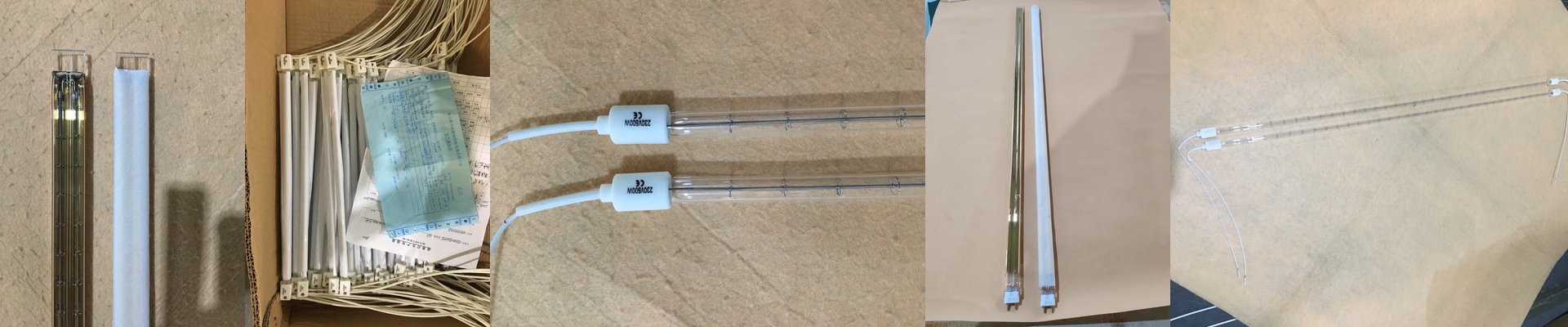
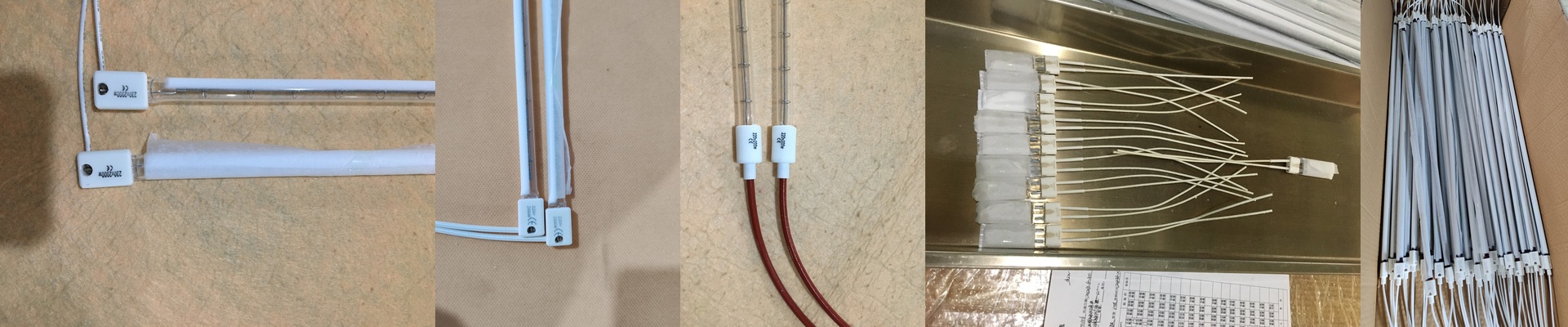
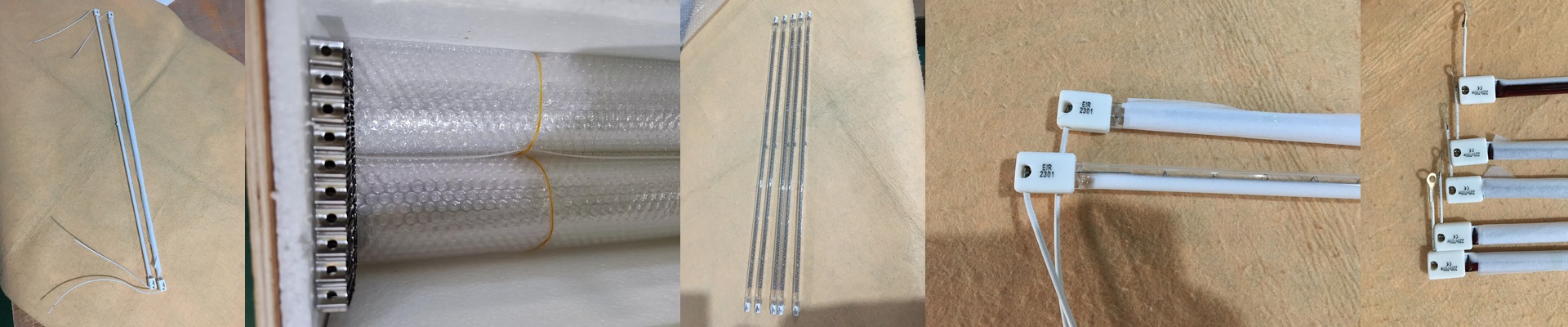
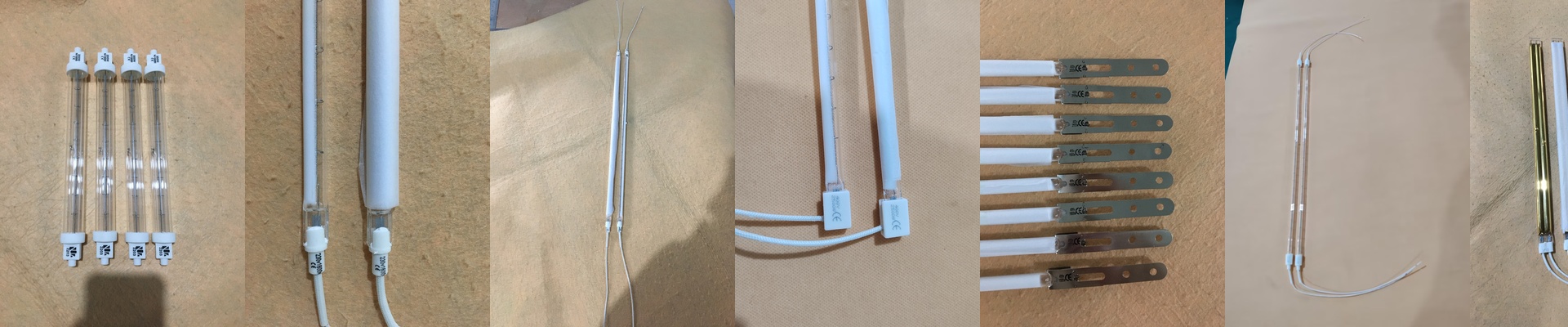
Let’s be honest: setting up a large-scale stenter machine usually feels like a giant game of trial and error. I’ve seen way too many shops just follow some dusty old blueprint, only to realize—too late—that they’ve got cold spots in the middle of the fabric or scorched edges. It’s frustrating. It’s wasteful. And it’s a headache nobody needs. This is where digital twin simulation comes in. Instead of crossing your fingers, you map out the entire thermal footprint before you even touch a wire. The trick to getting the heat right In this business, if the heat isn’t uniform, you’re in trouble. We use simulations to see exactly how those infrared waves hit the fabric at different angles and distances. It’s a delicate balance. Put the lamps too close? You get hotspots. Too far? The fabric never hits that critical glass transition temperature. By running a simulation first, we can figure out exactly how much the lamp zones need to overlap. That’s how you get a flat, consistent thermal profile across the whole width of the machine. Moving beyond the basic grid We don’t just throw lamps in a grid and hope for the best. Our tools look at the actual heat flux. The software tweaks the angle and the pitch of the lamps to make up for “edge loss”—you know, where all that heat just leaks out the sides of the machine. The best part? You’ll know exactly how many lamps you actually need. No more overloading your electrical panel just because you were playing it safe. The reality check Now, look—simulation isn’t a magic wand. A digital twin assumes everything is pristine. But we both know the real world is messy. Lint builds up on the quartz glass, and that kills your heat output. Because of that, you still need to build in a 10-15% power overhead and stay on top of a strict cleaning schedule. Also, make sure your cooling fans can actually handle the heat load we’ve simulated, or you’re going to end up warping the machine frame. But here’s the payoff: when you plan the layout this way, you spend way less time commissioning the machine. Plus, you stop burning through expensive replacement lamps just to “tune” the system.