Stop Guessing if Your IR Lamps Are Actually Working
If you’ve ever run a textile coating line, you know the stress. You’re walking a thin line between scorching the fabric and leaving it under-cured. For a long time, we’ve basically been heating “blind.” We push the power and hope for the best. But that’s an old way of doing things. We’re moving toward systems that can actually tell us when they’re feeling sick.
The Grit of High-Density IR
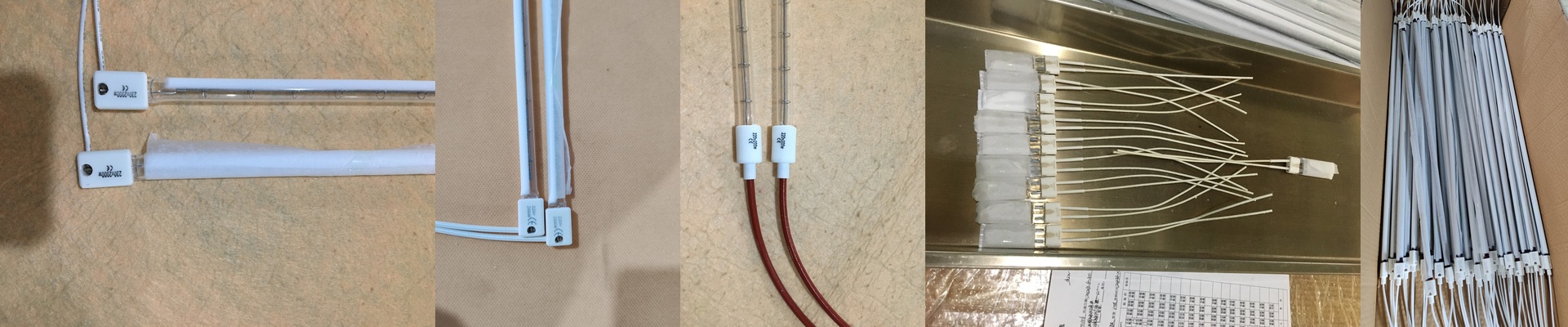
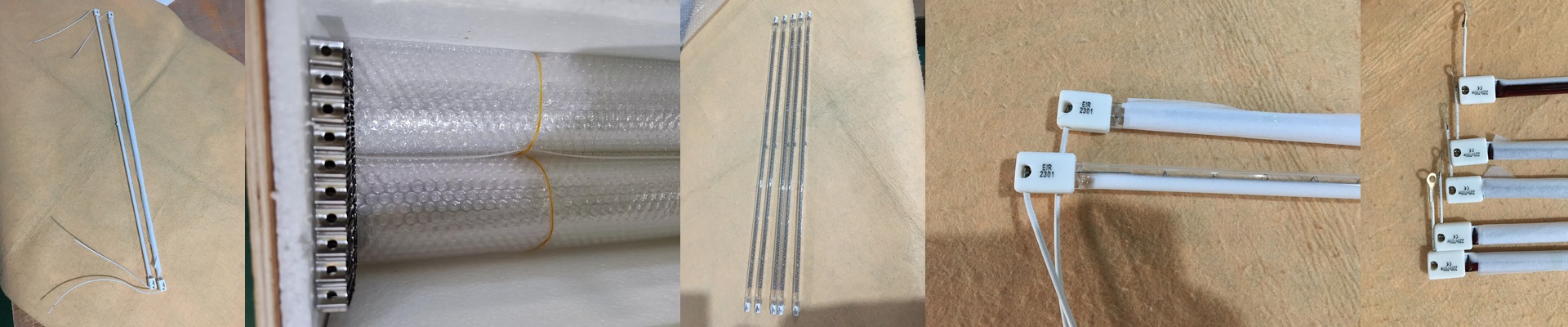
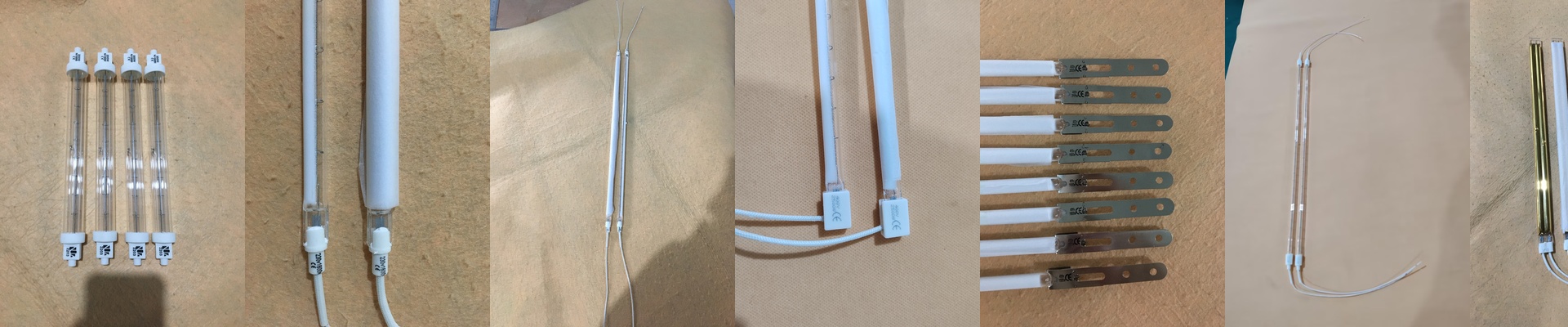
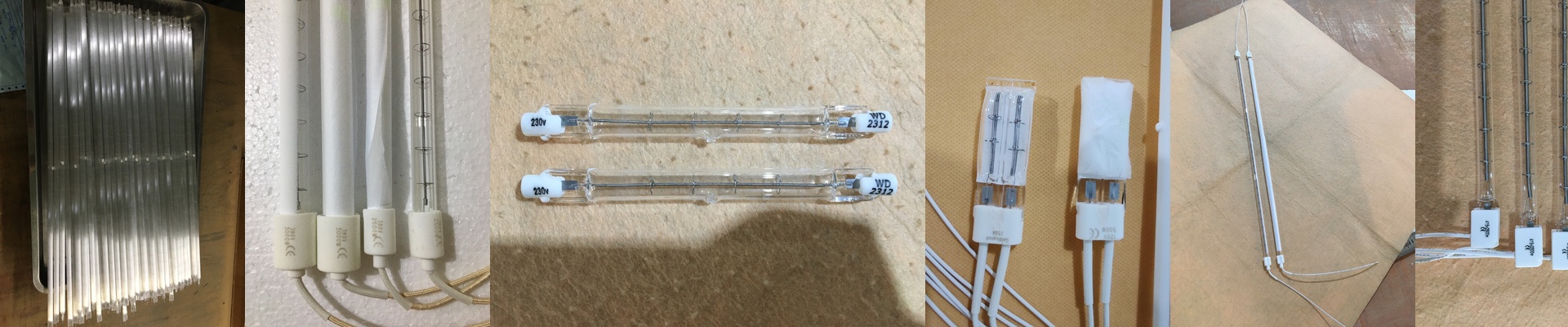
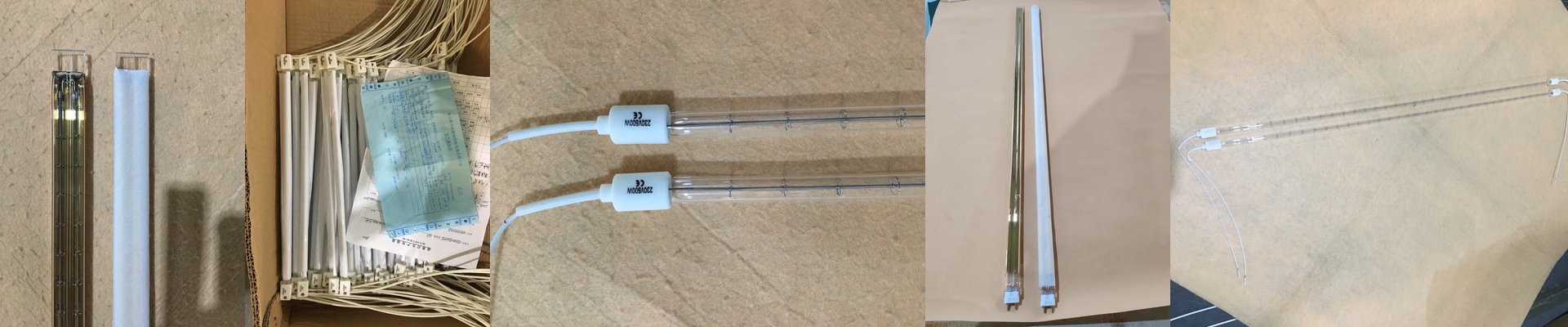
To get a coating to set quickly, you need short-wave IR. It’s the only way to punch through that chemical layer fast enough. We use high-wattage quartz lamps to get that instant heat. Now, here’s the catch. When you’re pushing 400V to hit your throughput targets, you’re putting a massive amount of stress on those filaments. If your power supply is jumpy, those tubes are going to burn out. It’s just physics.
Making the Hardware “Talk”
The real magic happens when we stop waiting for a lamp to die. Usually, you don’t know there’s a problem until you spot a cold patch in the fabric. By then, you’ve already wasted a roll of material. Instead, we’re putting current-sensing relays and thermal sensors right into the lamp housing. We hook these up to a PLC that keeps an eye on the resistance of every single tube. If a lamp starts drifting—even by 5%—the system flags it. No surprises. No mid-shift panic. You just swap the tube during your next scheduled break and keep moving.
The Trade-off
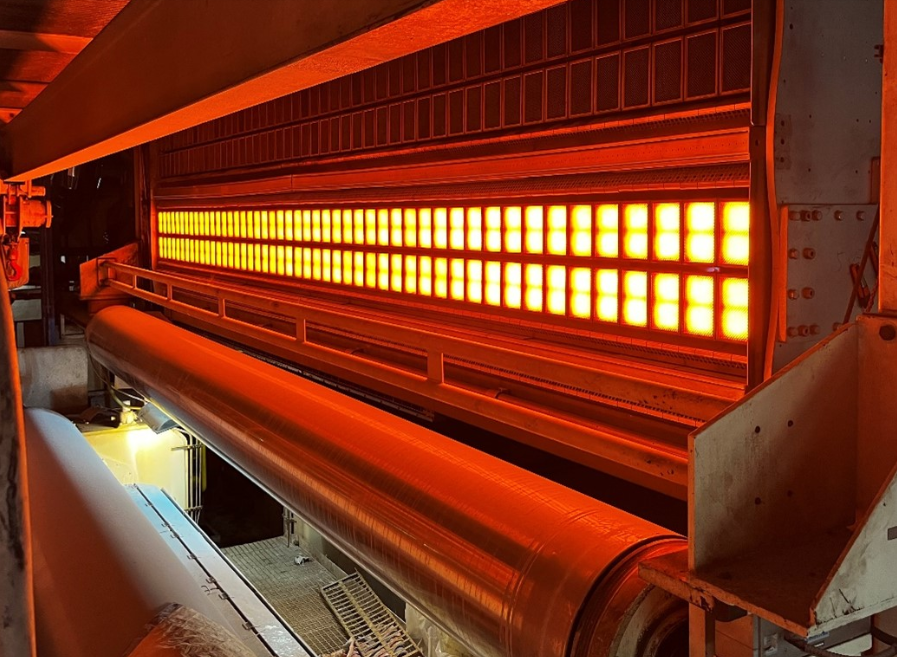
I won’t lie to you: this adds some bulk. Your control cabinet gets a bit bigger because you need more I/O modules to handle all that feedback. It costs more upfront, too. But think about the peace of mind. You get a live map of your heat distribution. No more manual temperature checks or guessing games. When a lamp starts to go, you know exactly which one it is and where it’s sitting in the oven. It just makes the whole day run smoother.