Why Your IR Lamps Keep Burning Out (And How to Stop It)
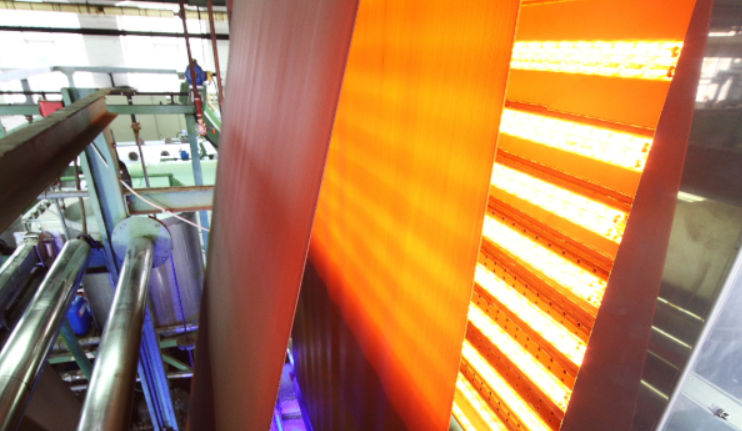
If you’re running textile curing or drying lines, you know that IR lamps don’t just sit there glowing. They’re constantly clicking on and off, thousands of times a day, just to keep up with your line speed. Here’s the problem: that constant switching is brutal. Every time a lamp kicks on, the tungsten filament goes from room temperature to over 2,000°C in a heartbeat. It’s a massive thermal shock. The metal expands and contracts over and over, and eventually, the supports just give up. The filament sags, touches the quartz glass, creates a hot spot, and—pop—there goes your lamp.
Fighting the Sag
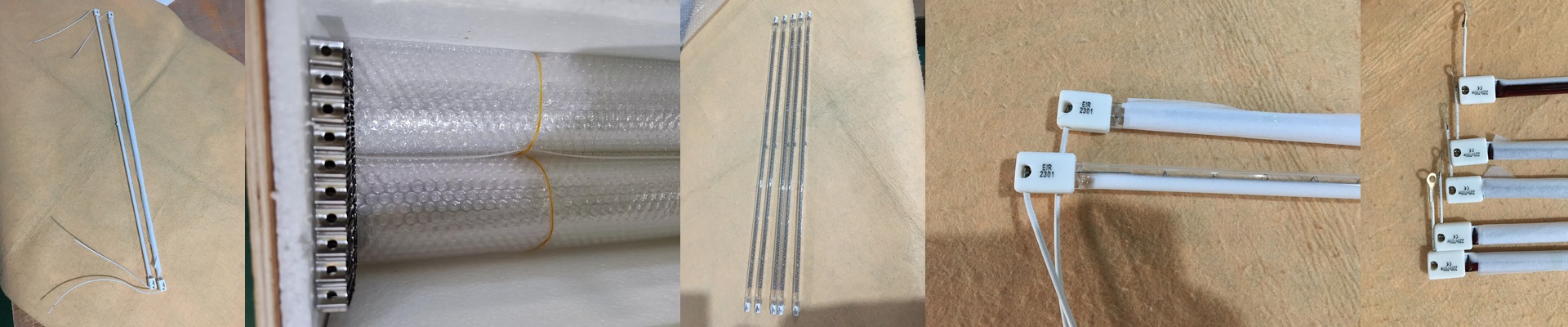
To stop this, we focus entirely on the supports. If they aren’t built for that kind of fatigue, you’re just waiting for a failure. We use specific alloys and a very precise winding process to keep everything tight. We don’t just hope it works, either. We put these lamps through “torture tests”—tens of thousands of start-stop cycles—to see if the filament shifts even a few microns. If the filament stays centered, your heat stays focused exactly where it needs to be on the fabric.
The Balancing Act
You might be tempted to just crank up the wattage to get more throughput. I get it. Speed is money. But there’s a trade-off. Winding the filament tighter gives you more IR output per inch, but it puts a lot more stress on those supports. If you push the wattage too high without the right support structure, you’re basically trading long-term reliability for a short-term speed boost. You’ll find yourself replacing lamps way more often than you’d like.
A Quick Tip for the Shop Floor
When you’re wiring these into your racks, take a look at your contactors. If they can’t handle the inrush current, you’ll get voltage spikes. Those spikes act like a hammer hitting the filament supports, wearing them down even faster. Keep your power supply stable, and your lamps will actually last as long as our test data says they should.