Getting a Grip on Digital Heat in Textiles
If you’re running Bruckner systems, you know that the IR lamp is way more than just a lightbulb. It’s the heart of your thermal control. The shift toward “digital heat sources” basically means your lamps need to stop guessing and start listening. They have to react instantly to PLC commands. Why? Because if your drying rates or tension are off by even a hair, you’re looking at a lot of wasted fabric.
The Reality of High-Density Heating
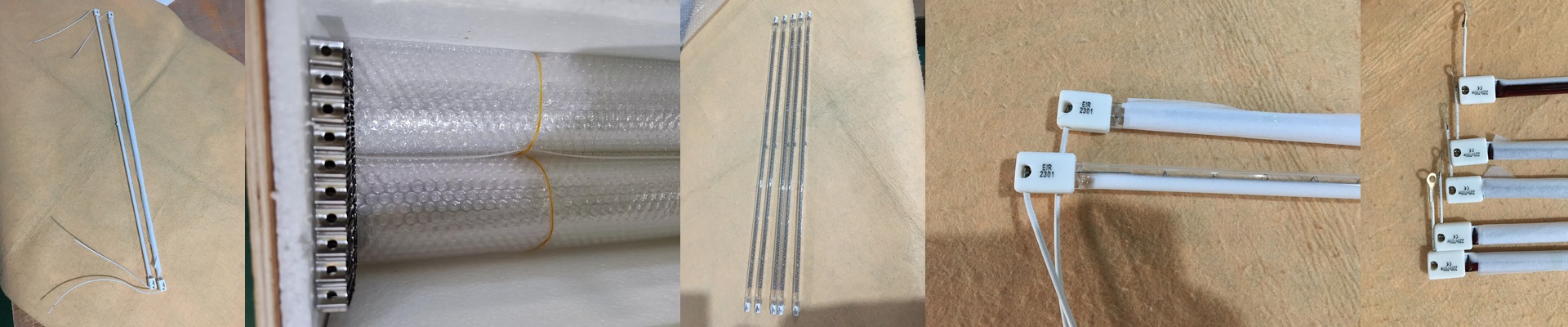
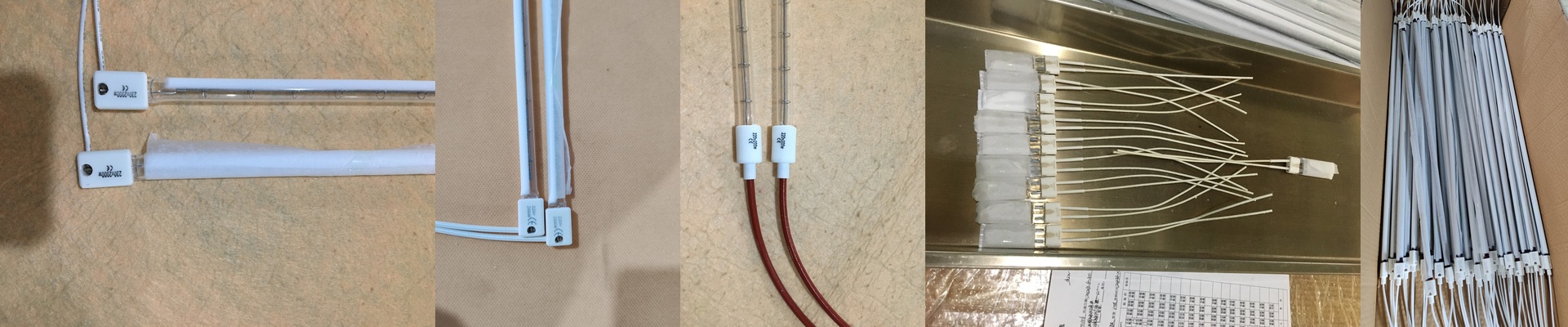
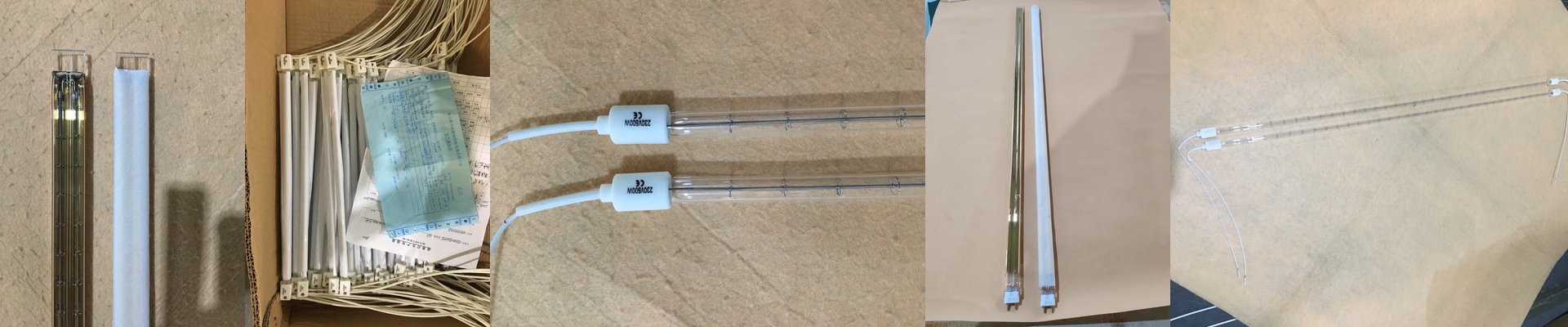
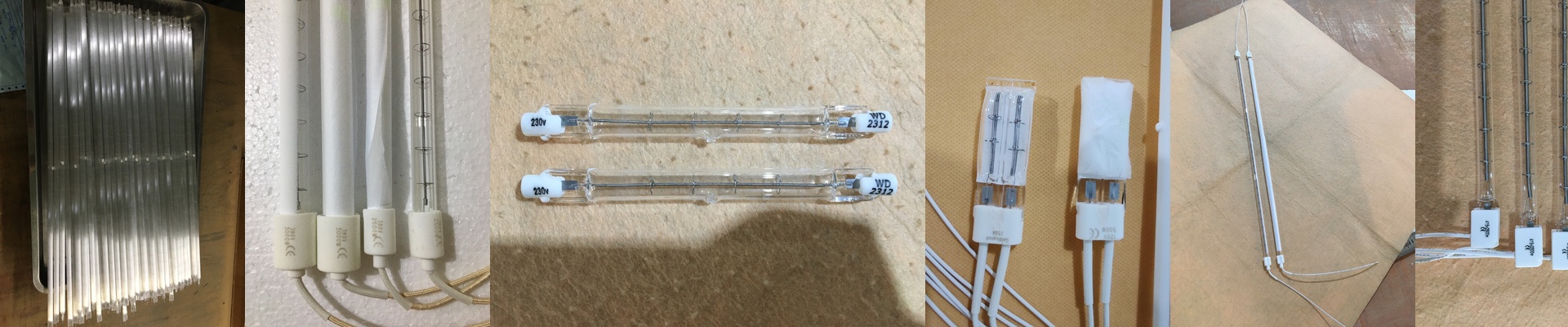
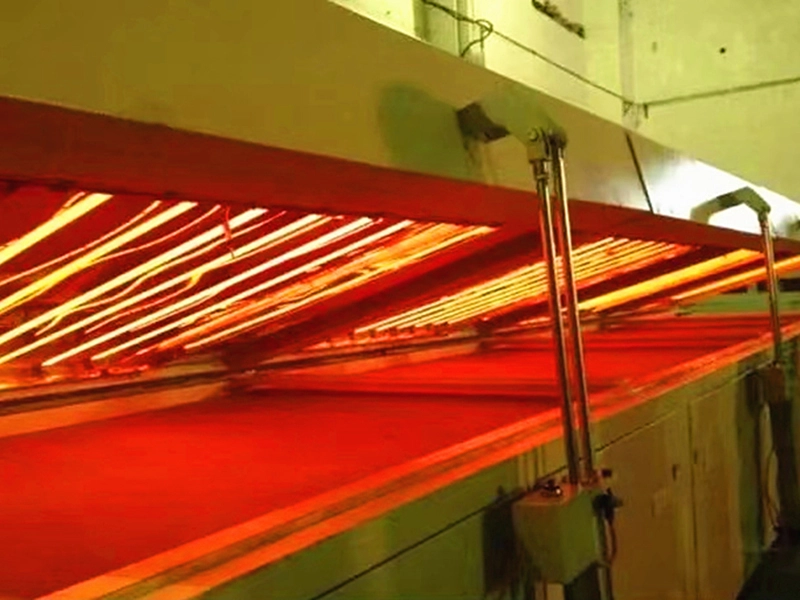
When you’re pushing for those high speeds in smart dyeing and printing, you need a ton of power packed into a tiny space. That’s why we build these lamps to handle rapid cycling. Using a short-wave quartz tube means you get radiative transfer the second you flip the switch. No more standing around waiting for a traditional oven to warm up. It’s fast. Really fast. But here’s the catch: when you crank up the wattage to speed up the line, your lamp holders take a beating. If your cooling fans aren’t up to the task, those connectors will fry. It’s as simple as that.
The Gear and the Connection
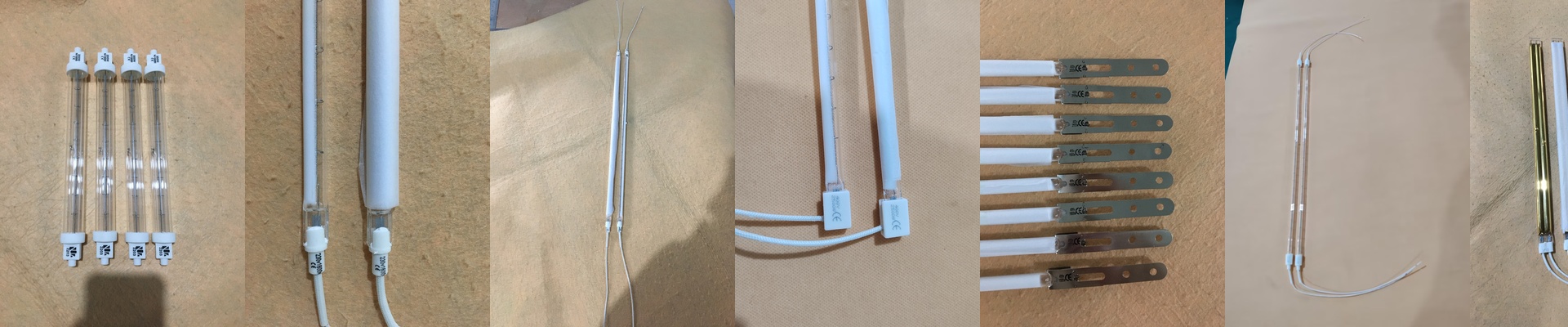
We stick with high-grade quartz glass so your spectrum doesn’t drift. And let’s talk about the connectors. Whether you’re using an R7s or a slide-in fit, the goal is speed. Swapping out a dead lamp should be a quick fix—something that takes a few minutes—not a project that eats up your entire afternoon. Then there’s the coating. This is what actually decides how the heat hits the fabric. Short-wave IR hits the surface hard and fast. Medium-wave sinks deeper. You just have to pick the one that matches your fabric’s GSM.
The Trade-offs (The Stuff That Actually Matters)
High-intensity IR lamps are beasts, but they’re hungry for power. If you hook up a whole bank of 2kW+ lamps without balancing the load, you’ll start seeing voltage drops. Your sensors will flicker, and your head will ache. Balance your phases. Also, keep a close eye on your PID controllers. You need to tune them to the specific ramp-up time of the quartz. If you don’t, you’ll overshoot your target temperature and end up scorching your textiles. And nobody wants that.