Getting Your Stenter Layout Right the First Time
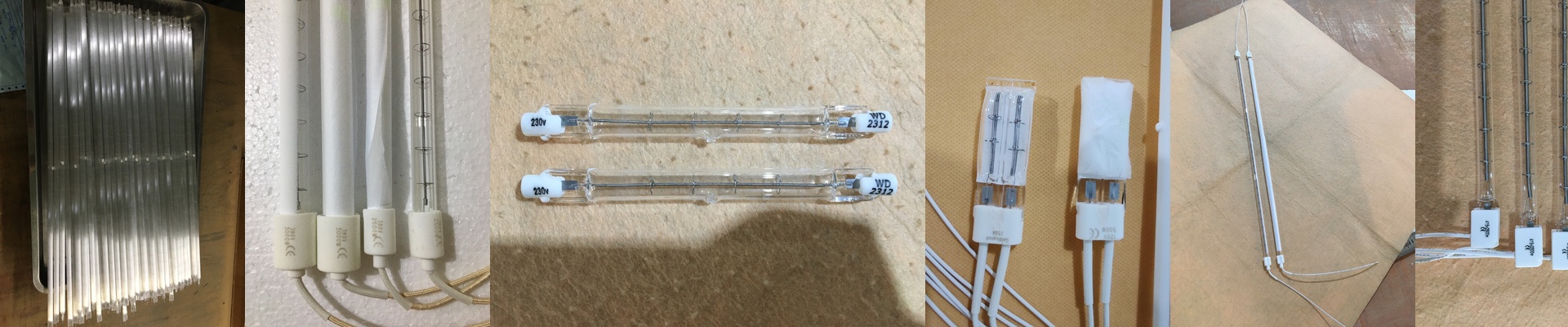
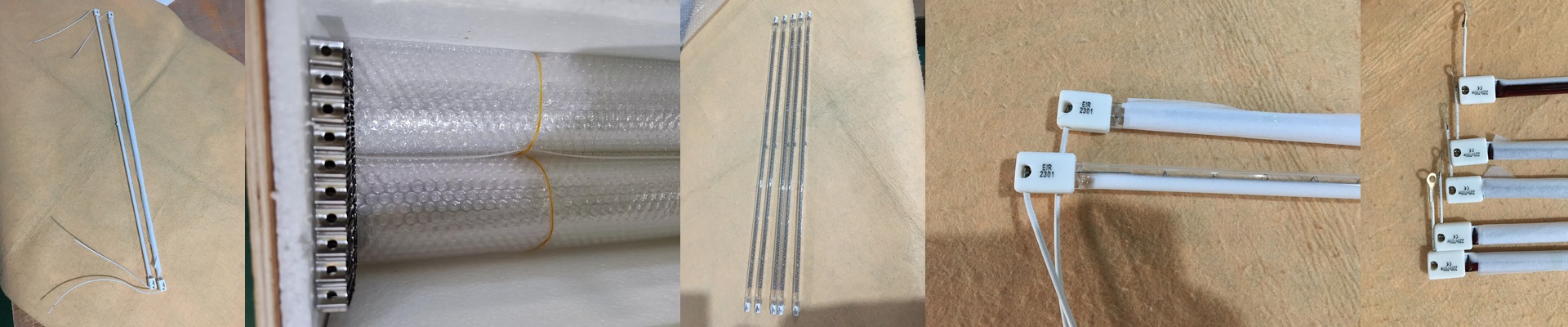
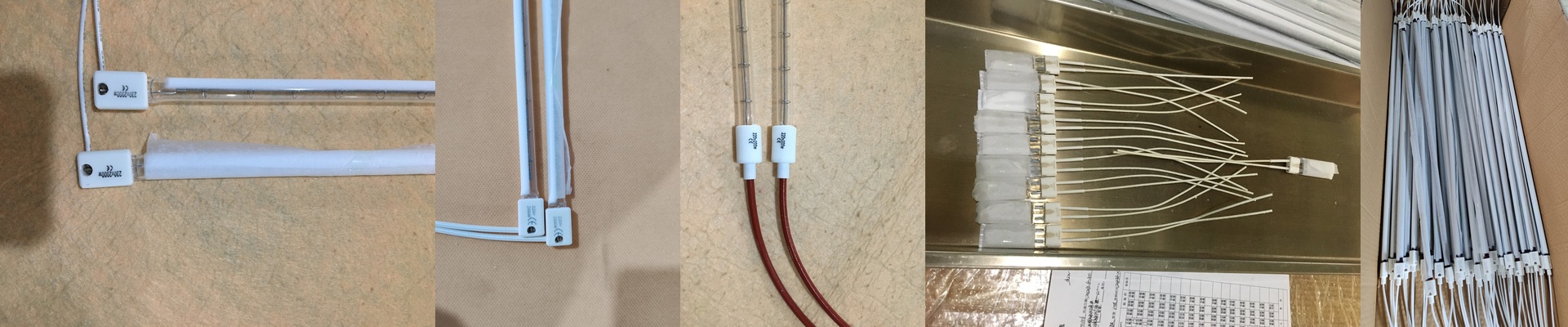
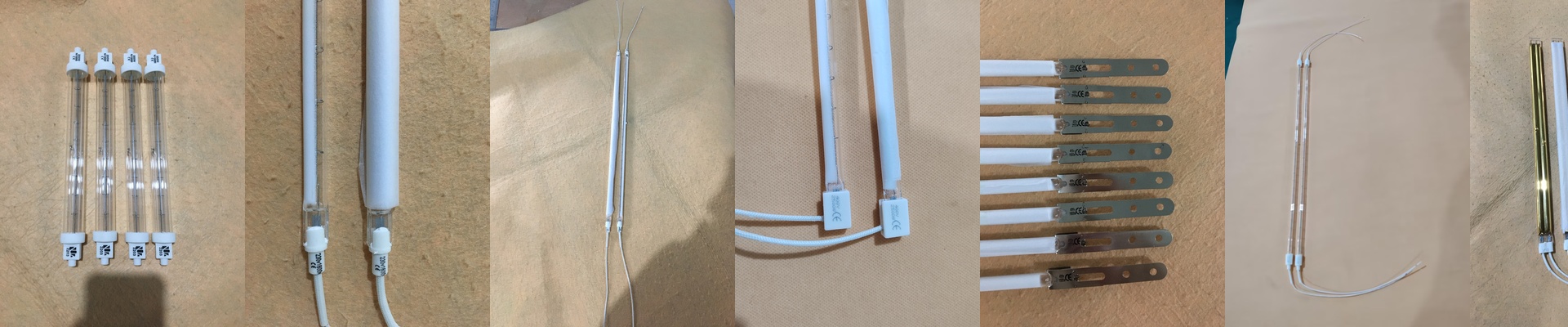
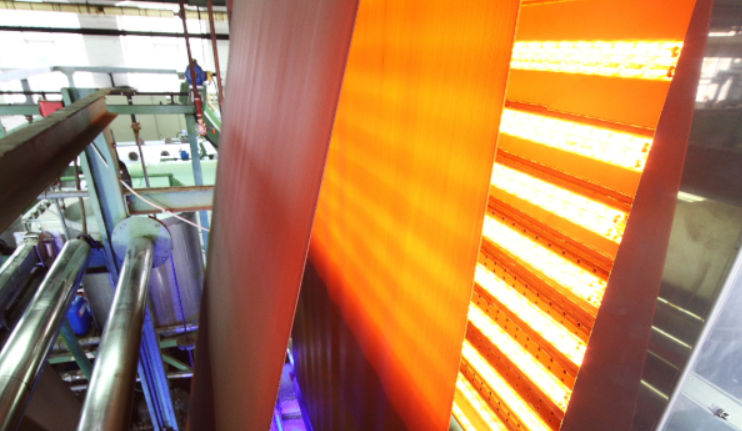
If you’ve ever worked with a textile stenter, you know the struggle. You’re trying to hit that perfect heat balance—enough to set the fabric, but not so much that you scorch the material. Usually, getting the IR lamps in the right spot is a guessing game. You install them, run a test, realize you’ve got a cold spot, and then spend hours manually moving brackets around. It’s a headache. That’s why we started using digital twins. Instead of messing around with the hardware, we build a virtual version of the machine first. We can see exactly where the heat is landing before a single lamp is even wired up. Finding the “Sweet Spot” Here’s the thing about IR lamps: spacing is everything. If they’re too far apart, you get those annoying cold spots. Too close? You’re risking a burn. We use simulation to map out exactly how the radiation overlaps. It lets us play around with the wattage and the angles in a virtual space. We can tweak the height and the pitch until the heat is perfectly even across the whole width of the fabric. No more “hope for the best” installations. Heat vs. Hardware Now, you might think, “Why not just blast it with high-wattage tubes?” Sure, synthetic fibers love that rapid ramp-up. But there’s a catch. If you pack too many powerful lamps into a tight space, you’re basically turning your machine frame into an oven. It puts a massive amount of stress on the structural components. We use the simulation to find the absolute minimum number of lamps needed to hit your target temperature. It keeps the fabric perfect and keeps the machine from taking a beating. Moving More Fabric, Faster The best part? When your lamps are aligned perfectly, you can actually speed up the line. Because the heat is so precise, we don’t need those big “buffer zones” in the heating chamber. The temperature gradient is much tighter, so the fabric hits its set-point way faster. You end up pushing more meters per hour through the stenter without worrying about quality slipping. Plus, because the layout was handled digitally, you don’t spend days on-site fiddling with brackets. You just turn it on and it works.