Stopping the Sag: Why IR Lamp Filaments Fail (and How We Fix It)
If you’re working with textile heating, you know the drill. You’re cycling those infrared lamps on and off thousands of times. It’s a brutal environment. Every time that lamp kicks in, the filament expands. When it cools, it shrinks. Do that enough times and the metal starts to get tired. If the supports aren’t up to the task, the filament sags. And once it sags enough to touch the quartz glass?**Boom.**Blowout.
The secret is in the support
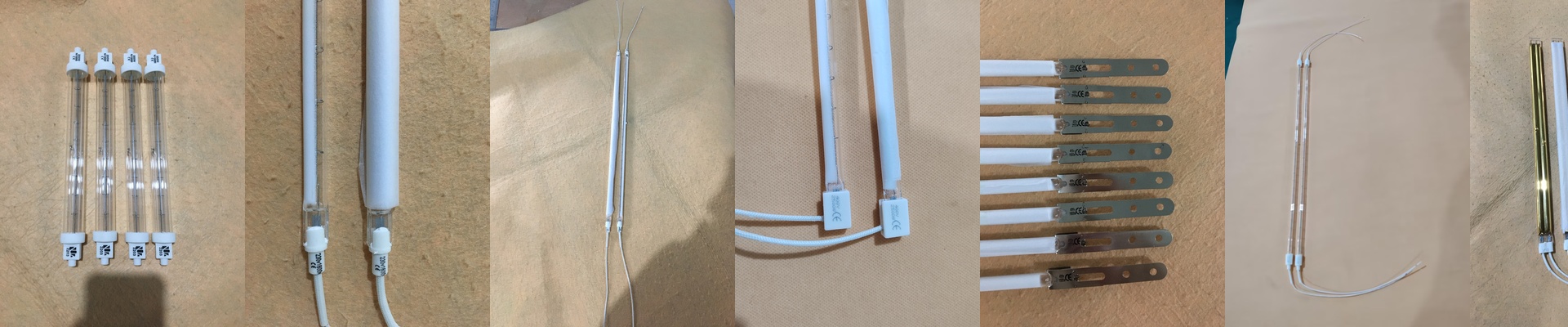
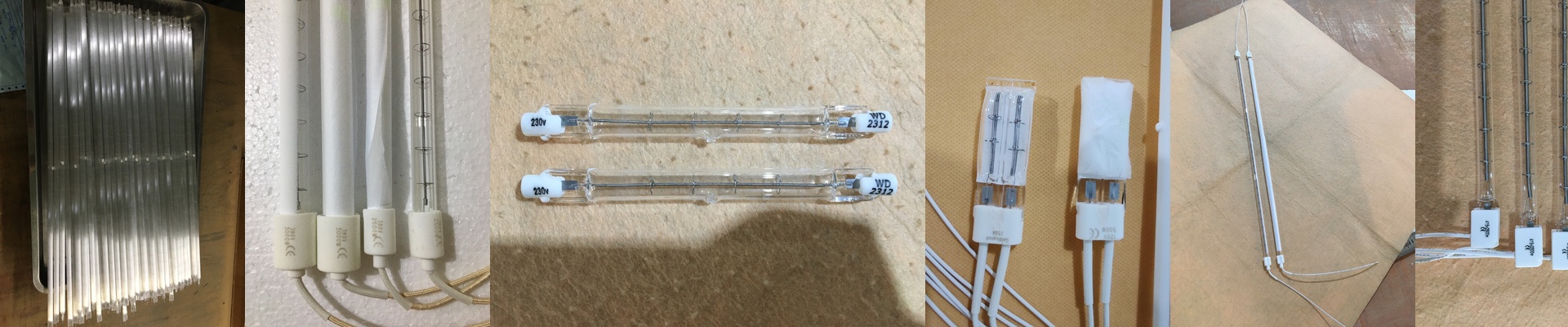
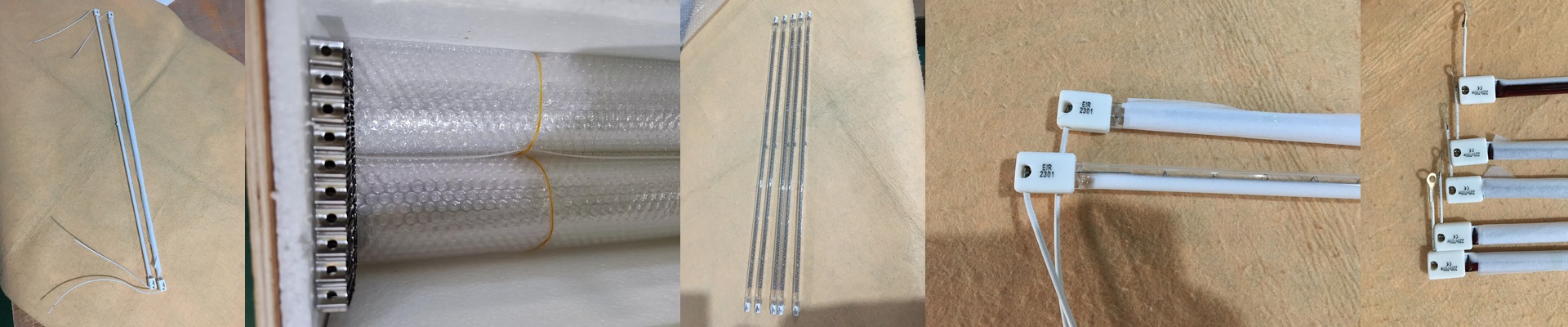
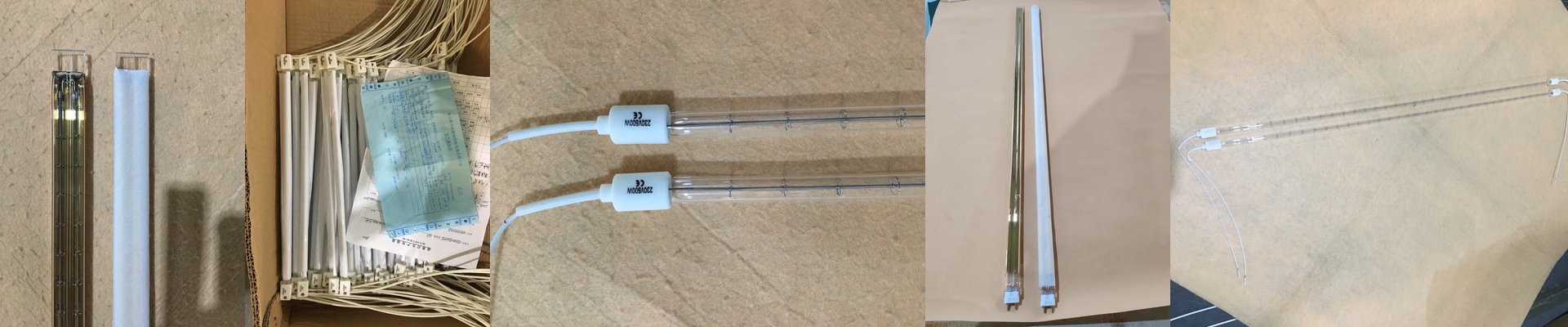
We spend a lot of time obsessing over the supports because that’s where the battle is won or lost. The goal is to keep that tungsten wire locked in a very specific geometric tension. We use high-purity alloys that expand and contract at the same rate as the filament itself. It’s a simple trick, but it keeps the wire from loosening up every time the heat ramps up. To make sure this actually works, we put our lamps through the wringer. We cycle them through tens of thousands of start-stop sequences and measure the shift in microns. Why bother? Because if that filament moves even a tiny bit, your heat distribution goes sideways. You end up with hot spots, and suddenly you’re looking at scorched fabric and wasted material.
The balancing act
Quartz glass is great for heat, but the real magic is the tension inside the tube. It’s a bit of a trade-off. We balance the gas pressure inside the tube against the physical pull of the supports. If we crank the tension too high, the sagging stops—but the lamp becomes brittle. **A word of warning here:**be careful when you’re installing these. If you drop one or give it a sharp mechanical shock, that pre-tensioned filament can snap like a guitar string. Handle them with a light touch.
Getting them onto your line
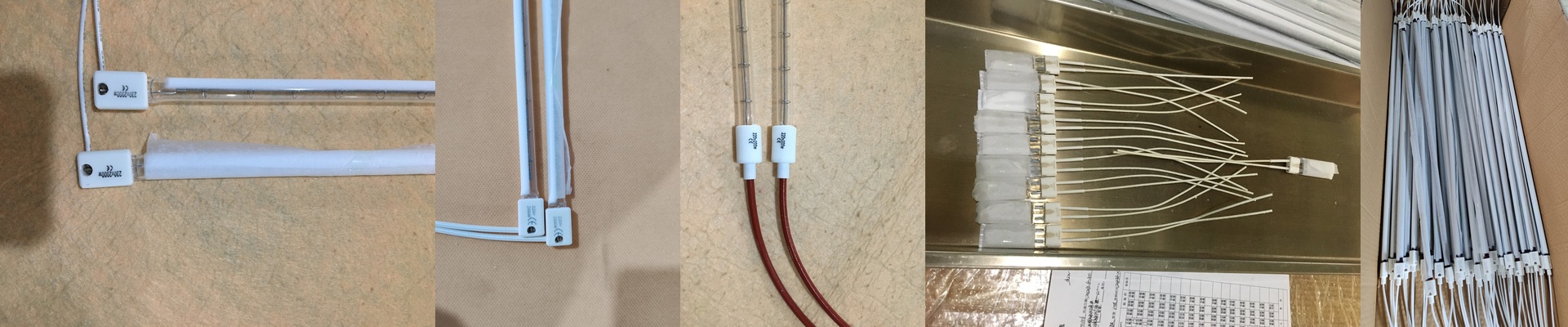
For the engineers wiring these into a textile line, the payoff is simple: you aren’t spending your weekend swapping out dead lamps. You get a consistent heat footprint across the whole width of the fabric. One quick tip: make sure your power controllers have a clean ramp-up. Avoid those sudden voltage spikes. A massive surge of power can shock the filament, basically jumping right over all the fatigue protections we’ve built into the supports. Keep the power smooth, and these lamps will treat you right.