

Stop Letting IR Lamps Eat Your Cash Flow
If you’re running a chain of coating equipment shops, you know the headache. You’ve got IR lamps everywhere. Different wattages, weird lengths, connectors that only fit one specific machine… it’s a mess. Trying to keep every single spec on the shelf is a trap. It kills your cash flow and turns your warehouse into a graveyard for expensive glass tubes. Here’s a better way: stop playing the inventory game and let the manufacturer handle the heavy lifting.
The Headache of “Just in Case” Stocking
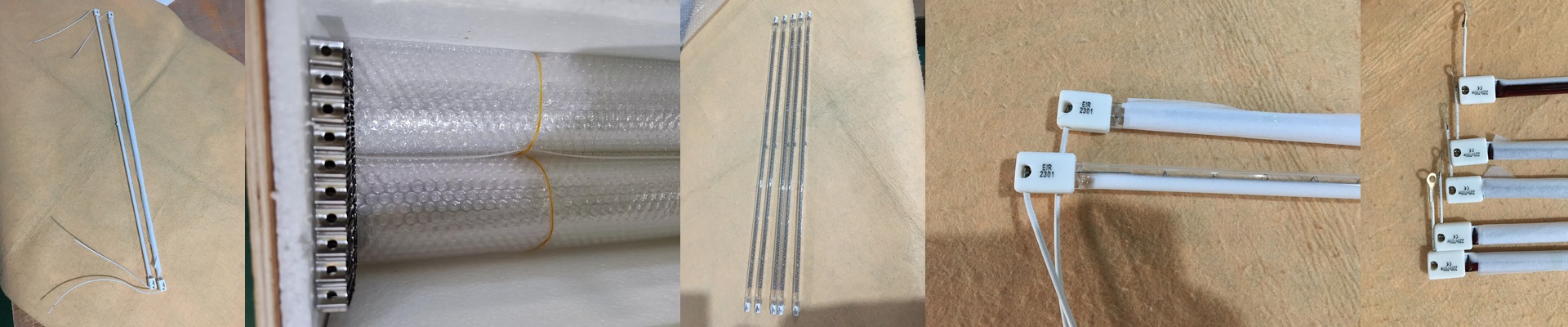
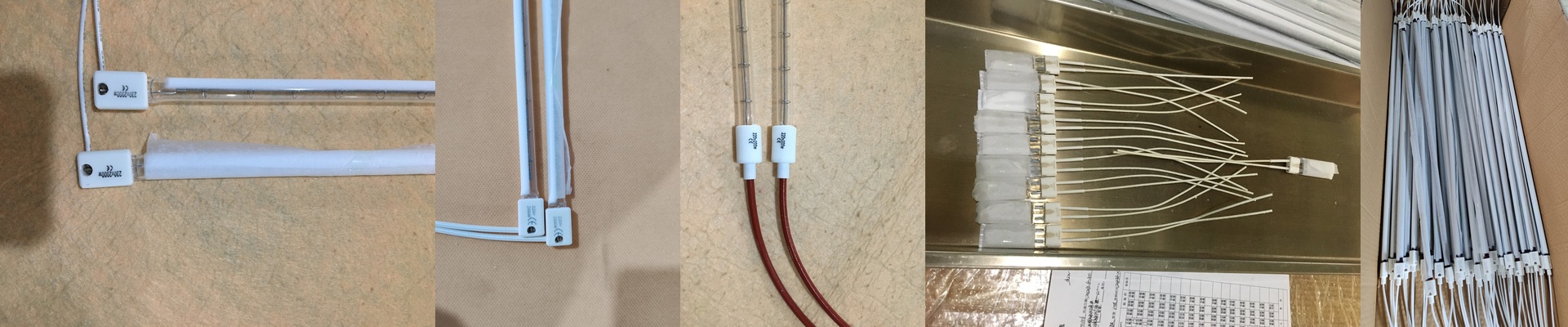
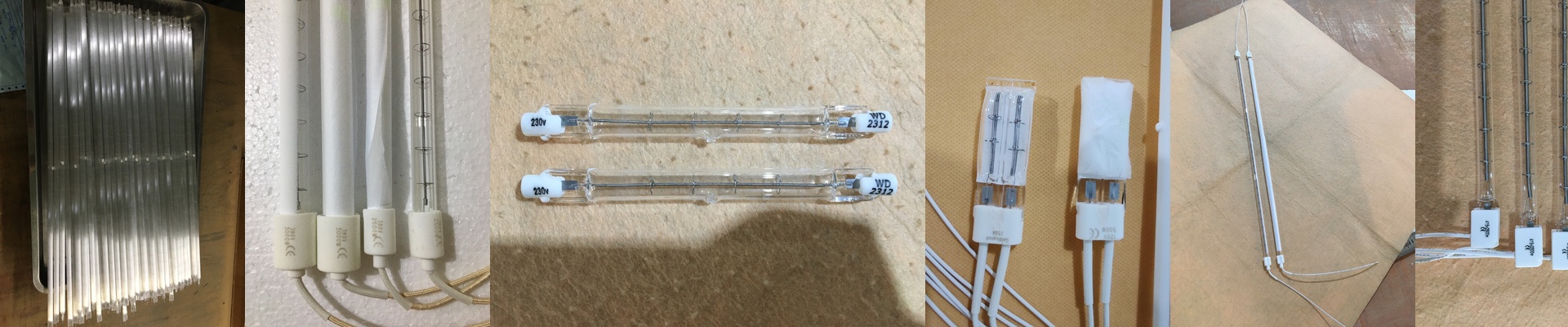
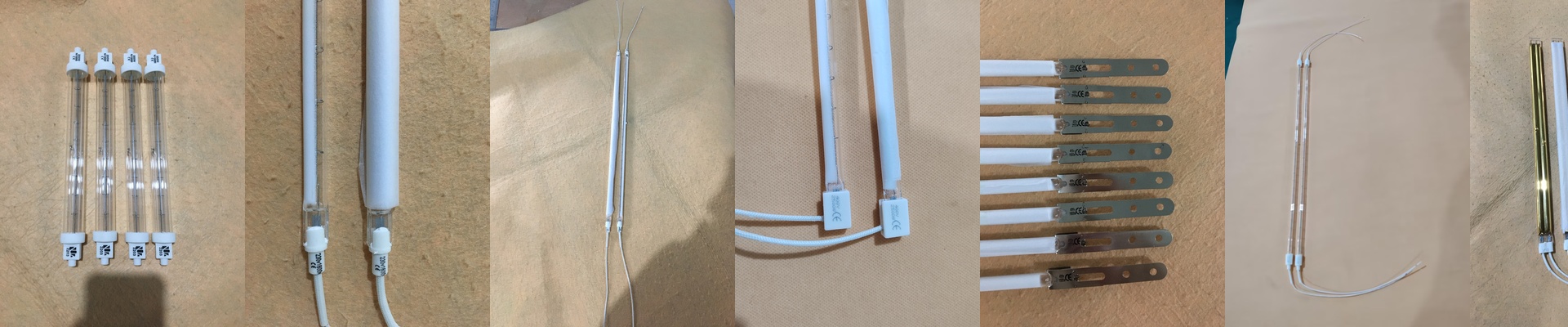
Most of these lines use quartz halogen tubes. The problem? They aren’t flexible. If the voltage is slightly off or the length is a few millimeters too long, the lamp won’t fit. Or worse, it fits, but it burns out in a week. We’ve all seen it. You buy a huge batch of a specific lamp, the client changes their machine specs, and suddenly you have “dead stock.” Those tubes just sit there for two years, gathering dust and wasting money. We do things differently. Think of it as a zero-inventory setup. Instead of you buying 500 units of ten different specs just to be safe, we keep the raw materials and the blueprints on our end. We just ship exactly what you need for the job you’re doing right now.
Bulk Prices, Empty Shelves
You might be wondering how the pricing works if you aren’t buying pallets of lamps. We use tiered pricing. You get the bulk-buy rate, but you don’t actually have to store the bulk. It’s the best of both worlds—low unit costs without the nightmare of storage overhead. Plus, we keep an eye on what you’re actually using. If your shops are chewing through 2000W shortwave tubes way faster than the medium-wave ones, we shift our production to match. You get the price break of a high-volume buyer, and your warehouse stays empty.
The Reality Check
Now, this only works if the timing is right. You can’t be waiting on a slow boat from overseas when a client’s line is down. That’s why we keep local buffers of the common quartz envelopes and filaments. It means we can move fast. Sure, if the entire logistics chain snaps, you’re in a pinch. But for most of us, saving that mountain of capital is worth the risk of a 48-hour shipping window. It just makes more sense for the bottom line.